
Comprehensive Guide to Boat Insurance: Protecting Your Marine Investment
This comprehensive guide explores essential aspects of boat insurance, including coverage options, liability protection, claims process, and discounts. It helps boat owners understand how to select optimal policies suited to their vessel type and boating habits, ensuring maximum protection on the water. Learn about valuation methods, liability coverage, optional add-ons, and tips for reducing premiums, so you can confidently enjoy your marine adventures with peace of mind and financial security.
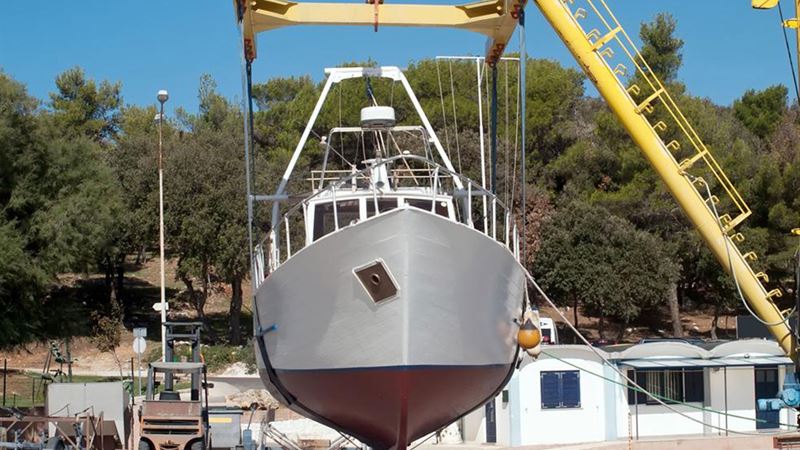
Boat ownership involves significant financial commitment, and safeguarding that investment is crucial. One of the most effective ways to protect yourself financially is by obtaining the right boat insurance policy. This extensive guide will walk you through the essentials of boat insurance, including coverage options, premium factors, claim processes, and tips for choosing the best policy to suit your needs. Whether you own a small fishing boat or a luxury yacht, understanding boat insurance will help you navigate potential risks on the water confidently.
Understanding Boat Insurance Coverage Options
Boat insurance policies are designed to protect against a variety of risks and damages that can occur during marine activities. The two primary valuation methods for reimbursement are actual cash value (ACV) and replacement cost coverage. ACV policies pay out based on the current market value of your boat at the time of damage or loss, accounting for depreciation. Replacement cost policies, on the other hand, cover the cost of replacing your boat with an identical or similar model without factoring in depreciation, ensuring you can restore your vessel to its original condition or close to it.
Reimbursement Options and What They Mean for You
If you opt for an ACV policy, your compensation will reflect the current worth of the boat after depreciation, which might be less than the initial purchase price. Meanwhile, a replacement cost policy provides more comprehensive protection, allowing you to recover the amount needed to replace or repair your boat fully. When choosing between these options, consider factors like the age of your vessel, its value, and your financial situation. For newer, high-value boats, replacement cost coverage might be more advantageous, whereas older boats might be better suited to ACV policies to minimize premiums.
Dealing with Damage to Others and Liability Coverage
Accidents on the water can sometimes lead to damage or injuries involving other vessels or dock facilities. Liability coverage is an essential component of a comprehensive boat insurance policy, as it pays for damages or injuries you might cause to third parties. This can include hull damage to other boats, injury to swimmers, or harm caused to docks and structures. Liability protection also covers legal costs if you are sued due to an incident, including settlements and court fees. Ensuring adequate liability limits is crucial to prevent significant out-of-pocket expenses in case of an unfortunate event.
Protecting Yourself Against Lawsuits and Indirect Damages
Beyond direct damages, boat accidents can sometimes lead to complex legal situations or lawsuits. Liability coverage can extend to cover legal defense costs, ensuring you’re protected from potential financial ruin due to legal claims. Some policies also include coverage for medical payments, covering injury costs for you or your passengers regardless of fault. The scope of these protections varies, so it's vital to review your policy carefully and consult an insurance professional to tailor coverage to your specific boating activities and risks.
Additional Coverages and Special Discounts
Every boat owner has unique needs based on the type of vessel, how often they use it, and where they usually operate. Apart from the standard coverage, consider additional protections such as comprehensive theft coverage, vandalism protection, or emergency assistance services. Many insurers also offer discounts to safe boaters who complete approved boating safety courses or who regularly maintain their vessels properly. Bundling your boat insurance with other policies or installing safety features can lead to more savings on premiums. Always discuss available discounts with your agent to maximize your coverage affordability.
Tips for Choosing the Right Boat Insurance Policy
Selecting the best policy requires careful consideration. Evaluate the coverage limits, exclusions, and the insurer’s reputation for claims handling. It’s crucial to understand the fine print and ask questions about coverage extensions or exclusions. Additionally, assess the value of your boat, your boating habits, and the risks involved. Consulting a specialized insurance agent experienced in marine policies can provide insights tailored to your specific needs. Regularly reviewing and updating your policy ensures you remain adequately protected as your vessel or usage patterns change.
Final Recommendations for Boat Owners
Owning a boat is a rewarding experience, but it comes with inherent risks that insurance can mitigate. Invest time in understanding your options and choose coverage that balances affordability with comprehensive protection. Keep safety equipment and maintenance up to date, and participate in approved safety courses to qualify for discounts. Proper insurance coverage provides peace of mind, allowing you to enjoy your time on the water without worries about unforeseen incidents. Remember, the right policy not only protects your vessel but also shields your financial future from unexpected maritime mishaps.