
Understanding the Causes and Recognizing Symptoms of Type 2 Diabetes
This extensive article explores the primary causes and early symptoms of type 2 diabetes, emphasizing the importance of early detection and lifestyle management. Understanding factors like insulin resistance, obesity, poor diet, and sedentary habits helps in prevention. Recognizing common signs like increased thirst, fatigue, blurred vision, and slow healing can prompt timely medical intervention. Effective management through medication, diet, and exercise is crucial in preventing complications. Stay informed to protect your health and catch symptoms early for better outcomes.
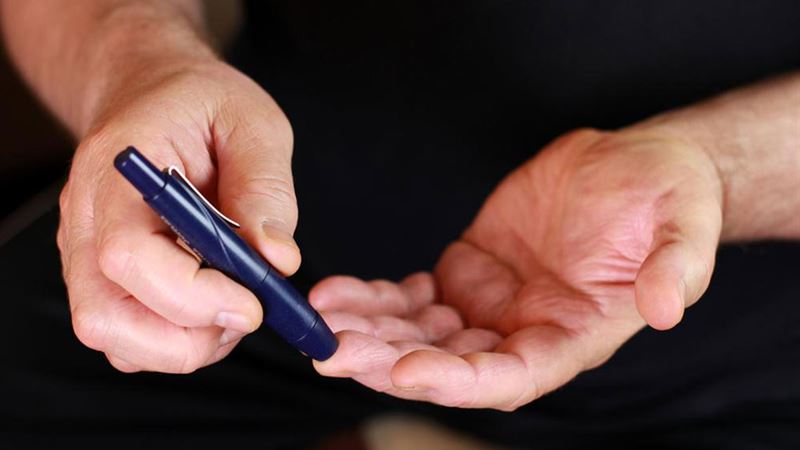
Type 2 diabetes is a chronic health condition that occurs when the body struggles to produce enough insulin or becomes resistant to insulin's effects. Proper management and early detection are critical since timely treatment can significantly reduce the risk of severe complications such as nerve damage, kidney disease, and cardiovascular problems.
Understanding the underlying causes and recognizing early symptoms are essential steps towards effective management of the condition. This comprehensive guide aims to shed light on the common causes of type 2 diabetes and help you identify its subtle signs to seek prompt medical attention.
Common Causes of Type 2 Diabetes- Insulin Resistance: The primary factor in type 2 diabetes is the development of insulin resistance, where the body's cells become less responsive to insulin. This condition forces the pancreas to produce more insulin to maintain normal blood glucose levels, but over time, the pancreas may become exhausted.
- Obesity and Excess Body Fat: Being overweight, particularly with excess fat around the abdomen, significantly increases the likelihood of developing insulin resistance. Adipose tissue releases fatty acids and inflammatory substances that impair insulin action.
- Sedentary Lifestyle: A lack of regular physical activity contributes to weight gain and decreased insulin sensitivity. Sedentary behavior is associated with increased risk for all metabolic disorders, including type 2 diabetes.
- Unhealthy Diet: Diets high in refined sugars, unhealthy fats, and processed foods can disrupt blood sugar regulation and promote weight gain, heightening diabetes risk.
- Genetic Factors: Family history and genetic predisposition play a role in developing type 2 diabetes. Certain genes may influence insulin production and glucose metabolism, increasing vulnerability.
- Age and Hormonal Changes: The risk increases with age, especially after 45, as pancreas function declines. Hormonal changes, such as those occurring during menopause, can also impact insulin sensitivity.
- Other Medical Conditions: Conditions like high blood pressure, high cholesterol, and polycystic ovary syndrome (PCOS) are linked to increased risk for type 2 diabetes.
While these causes contribute significantly to the development of type 2 diabetes, lifestyle choices and environmental factors are crucial in its prevention and management.
Symptoms to Watch For- Persistent Excessive Thirst and Frequent Urination: Elevated blood sugar levels cause tissues to lose fluids, resulting in dehydration and an urgent need to hydrate. As a consequence, individuals often experience increased urination.
- Chronic Fatigue: Due to inefficient glucose utilization, cells lack the energy they need, leading to feelings of exhaustion and persistent tiredness.
- Unexplained Hunger and Sudden Weight Loss: When cells are deprived of glucose, the body interprets this as a need for more energy, leading to increased hunger. Simultaneously, the body starts breaking down fat stores for energy, causing weight loss.
- Blurred Vision: Elevated blood sugar levels can cause fluid to be pulled from eye tissues, distorting vision and making it difficult to focus.
- Increased Susceptibility to Infections and Slow Wound Healing: High blood sugar hampers the immune system's effectiveness, resulting in an increased risk of infections and delayed healing of cuts and bruises.
- Other Symptoms: Some individuals may experience numbness or tingling in the extremities, darkened skin patches (acanthosis nigricans), or recurrent yeast infections.
Recognizing these signs early can facilitate a prompt diagnosis and treatment plan. If you notice any two or more of these symptoms, consult your healthcare provider. Managing blood sugar levels through a combination of medications, lifestyle modifications including a balanced diet and regular exercise, can effectively help control the disease and reduce annual health risks.