
Natural Herbal Solutions to Sickle Cell Anemia Symptom Relief
Explore natural herbal remedies for sickle cell anemia, including plants like Piper guineense, Pterocarpus osum, and fermented papaya. Discover how traditional herbs can help reduce symptoms, prevent crises, and improve blood health through scientific validation and traditional knowledge integration.
Sickle cell anemia is a hereditary blood disorder characterized by abnormally shaped red blood cells that resemble a sickle. These irregular cells can cause blockages in blood flow, resulting in pain, anemia, and potential organ damage. While conventional treatments focus on managing symptoms and preventing complications, herbal medicine has gained popularity for its potential to alleviate symptoms naturally and improve quality of life. This comprehensive guide explores various traditional herbs and plants that have shown promise in managing sickle cell symptoms, their active compounds, and how they can be incorporated into a holistic treatment approach.
Herbal remedies have been used for centuries across different cultures to treat a variety of ailments, including blood disorders. Recent scientific studies have begun to validate some of these traditional uses, providing a promising outlook for patients seeking alternative or complementary therapies to conventional medicine. In this detailed article, we delve deep into specific herbs such as Piper guineense, Pterocarpus osum, Eugenia caryophyllus, Sorghum bicolor, and others, discussing their healing properties, active components, and their role in managing sickle cell disease effectively.
Among the most researched herbal agents are extracts derived from various plants that work on the blood cells' morphology and function. For example, Piper guineense seed, also known as West African pepper, contains piperine, a compound noted for its anti-inflammatory and antioxidant properties. Its use in traditional medicine showcases a potential to reduce the severity of sickle cell crises. Similarly, Pterocarpus osum, a type of African timber, provides stem extracts that possess anti-inflammatory effects, which can help diminish the frequency of episodes triggered by sickled cells.
Cloves, or Eugenia caryophyllus, contain eugenol, a compound with potent analgesic and anti-inflammatory activity. This herb is traditionally used to manage pain associated with sickle cell crises. Sorghum bicolor, commonly known as millet or milo, offers nutritional benefits and contains phytochemicals that support healthy red blood cell production and reduce oxidative stress, contributing to better blood flow and fewer sickling events.
Another significant herb is Fagara zanthoxyloides, often referred to as the root bark of this plant is integral in herbal therapy for sickle cell management. Widely used in Uganda, this herb has demonstrated promising results in reducing the formation of sickle-shaped cells and mitigating symptoms. It also finds applications in treating malaria and other infections, highlighting its broad medicinal value.
Terminalia catappa, or the tropical almond tree, grows throughout Africa, Asia, and Australia. Its leaf extracts have long been utilized by traditional medicine practitioners to treat various illnesses. Recent studies reveal that compounds present in these leaves exhibit anti-sickling properties by preventing the abnormal sickling of red blood cells, and even reversing sickling in some cases. This herb's potential as a preventive and therapeutic agent is gaining increasing scientific backing.
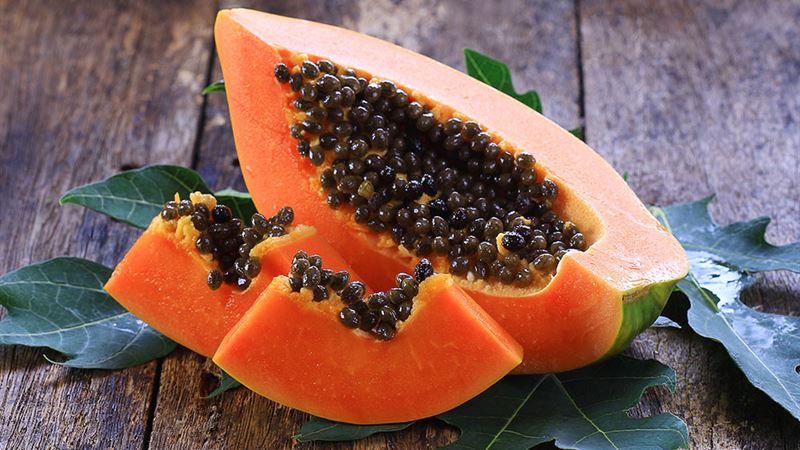
Furthermore, the green papaya and its leaves have shown remarkable potential in sickle cell disease management. Fermented green papaya, in particular, has been studied for its ability to prevent and reverse sickling phenomena. Its rich nutritional profile also offers numerous health benefits, including immune system enhancement and improved blood health.
This body of evidence supports a growing interest in integrating herbal treatments into the conventional management of sickle cell anemia. While these remedies are generally considered safe when used appropriately, consulting with healthcare professionals is essential to ensure proper dosages and to avoid any adverse interactions with standard therapies. Incorporating these herbs as complementary therapies can potentially reduce the severity and frequency of crises, improve hemoglobin levels, and enhance overall well-being for individuals suffering from sickle cell disease.
In conclusion, traditional herbal medicine offers valuable options in the quest to manage sickle cell symptoms more holistically. From East African medicinal plants to Asian and Australian herbal traditions, the plants discussed here demonstrate a promising future for alternative treatment strategies. Continued research, clinical trials, and integration of traditional knowledge with modern science are crucial for unlocking the full potential of these natural remedies, ultimately leading to more effective and accessible treatments for sickle cell anemia worldwide.