
Understanding the Serious Health Risks of Liver Disease and How to Protect Yourself
This detailed article explores the critical health implications of liver diseases, including symptoms, complications, and preventive strategies. It emphasizes early diagnosis and effective management to prevent severe outcomes. Learn how liver health influences your overall well-being and discover actionable steps to protect this vital organ.
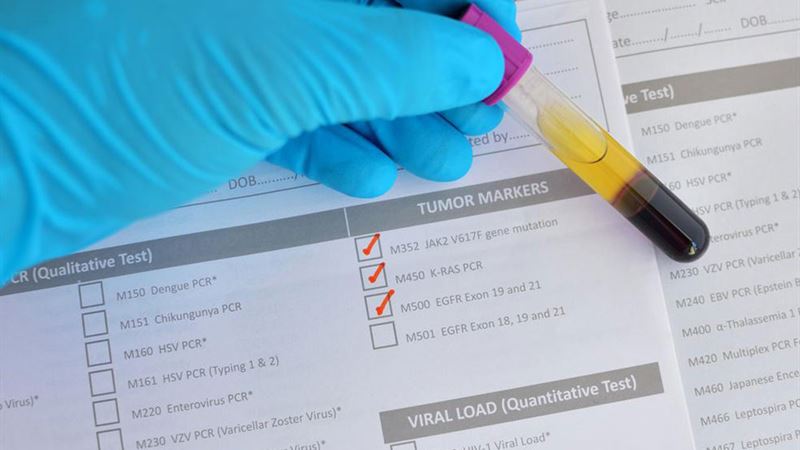
The liver plays a crucial role in maintaining overall health by filtering toxins from the blood, aiding in digestion, and regulating various metabolic processes. When the liver becomes compromised due to diseases such as hepatitis, cirrhosis, or fatty liver disease, its ability to perform these vital functions diminishes significantly. This can lead to a cascade of health issues impacting multiple organs and bodily systems. Understanding the implications of liver dysfunction and recognizing early symptoms are essential steps toward effective management and treatment.
One of the most concerning aspects of liver disease is its capacity to disrupt the body's detoxification system. Normally, the liver filters out harmful substances, including alcohol, drugs, and metabolic waste products. When liver function declines or the organ ceases to work altogether, toxins begin to accumulate in the bloodstream. This toxicity can have widespread repercussions, affecting vital organs like the brain, kidneys, heart, and lungs. Such a buildup poses significant risks for conditions like hepatic encephalopathy, kidney failure, cardiovascular problems, and respiratory issues.
Symptoms indicating liver problems vary depending on the severity and type of disease. Early signs often include fatigue, weakness, and mild digestive discomfort. As the condition progresses, individuals may notice more pronounced symptoms such as jaundice (yellowing of the skin and eyes), unexplained bruising, persistent swelling, abdominal pain, and changes in stool color. Recognizing these signs promptly can lead to earlier diagnosis and more effective treatment options, minimizing long-term damage.
The liver is a remarkable organ capable of regenerating itself. Even when up to 75% of the liver's tissue is damaged or surgically removed, it can often recover function entirely. This regenerative ability underscores the importance of timely medical intervention to support and preserve liver health. Key functions include storage of vital nutrients, the production of proteins essential for blood clotting, and the regulation of blood lipid and sugar levels. Disruptions to these processes due to liver disease can have widespread health effects.
Chronic liver conditions such as hepatitis C, HIV/AIDS, and Epstein-Barr Virus (EBV) infection are significant contributors to liver morbidity worldwide. These illnesses trigger inflammation and immune responses that, if uncontrolled, lead to scar tissue formation, liver fibrosis, and eventually cirrhosis. Left unchecked, cirrhosis elevates the risk of liver failure and hepatocellular carcinoma (liver cancer). Therefore, preventative measures, early diagnosis, and consistent medical management are crucial to prevent disease progression.
Beyond the direct effects on the liver, chronic liver diseases can influence other bodily functions, notably blood sugar regulation. The liver's role in storing and breaking down excess glucose into stored glycogen is vital for maintaining energy levels, especially during fasting or physical exertion. When liver health deteriorates, this process becomes impaired, causing an increase in blood glucose levels, a condition known as hyperglycemia. Persistently high blood sugar can contribute to the development of diabetes and other metabolic disorders.
Hyperglycemia manifests through numerous symptoms, including excessive thirst, increased hunger, frequent urination, fatigue, irritability, sudden weight loss, dry mouth, skin dryness, irregular heartbeat, and even erectile dysfunction. These signs often signal underlying metabolic disturbances linked to liver dysfunction. Additionally, liver failure can impair the synthesis of essential plasma proteins, leading to complications such as bleeding tendencies and immune deficiencies.
It's imperative to monitor any signs of liver impairment and seek medical attention promptly, regardless of whether symptoms are mild or severe. Early diagnosis allows for the implementation of therapeutic strategies such as lifestyle modifications, medication, and in some cases, surgical intervention. Managing liver disease effectively can prevent or delay the onset of life-threatening complications, improving quality of life and survival rates.
In conclusion, understanding the complex relationship between liver health and overall well-being is vital. Protecting the liver involves maintaining a healthy lifestyle, avoiding excessive alcohol intake, practicing safe behaviors to prevent infections like hepatitis, and staying vigilant about early symptoms. Regular health screenings and blood tests are key to detecting liver problems before they evolve into serious health crises. With proper care, it is possible to manage chronic liver conditions effectively and preserve liver function for years to come.