
Effective Strategies for Early-Stage Gangrene Treatment and Management
Discover comprehensive strategies for identifying and treating early-stage gangrene. Learn about antibiotics, hyperbaric oxygen therapy, vascular procedures, and tissue debridement to prevent progression and promote healing. Early diagnosis and prompt treatment are essential to avoid severe complications. Implement lifestyle changes and proper hygiene to prevent recurrence and ensure faster recovery with expert medical guidance. This detailed overview emphasizes the importance of early intervention, diagnostic methods, and multidisciplinary approaches in managing gangrene effectively at its initial stage.
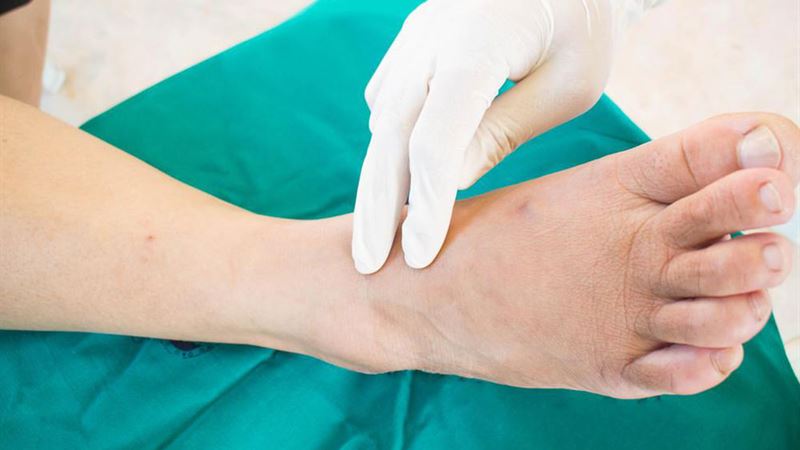
- Use of Antibiotics: When bacterial infection is identified as the cause of gangrene, physicians usually prescribe specific antibiotics. These medications work to eliminate bacteria, prevent further infection, and reduce the risk of systemic complications. Antibiotics may be administered orally, intravenously, or through direct tissue injections, depending on the severity and location of the infection.
- Hyperbaric Oxygen Therapy (HBOT): One of the innovative treatments for early gangrene is hyperbaric oxygen therapy. During this procedure, the patient is placed in a specialized chamber where they breathe 100% pure oxygen at higher-than-atmospheric pressures. This increased oxygen supply helps to halt the growth of anaerobic bacteria, promotes the healing of damaged tissues, and enhances white blood cell activity to fight infection. HBOT can be especially effective in cases of diabetic foot gangrene or other situations where oxygen deficiency contributes to tissue death.
- Vascular Interventions: Poor blood flow is a key factor in the development of gangrene, notably in individuals with conditions such as diabetes, peripheral arterial disease, or blood vessel blockages. To address this, vascular treatments such as angioplasty, stenting, or bypass surgery may be performed to unblock arteries and restore proper circulation. Improving blood flow not only helps deliver essential nutrients and oxygen to the affected areas but also enhances the removal of metabolic waste products, thereby creating a healthier environment for tissue recovery.
- Tissue Debridement: This surgical procedure involves the removal of necrotic or infected tissue to prevent the spread of infection and facilitate healing. Debridement can be performed using various techniques, including surgical excision, laser debridement, or enzymatic agents. Carefully removing dead tissue encourages regrowth of healthy tissue and prepares the wound for further treatments such as skin grafts or other reconstructive procedures. Proper debridement is vital in preventing the progression of gangrene and in promoting a clean wound bed.
Preventing the recurrence of gangrene involves comprehensive lifestyle modifications and diligent hygiene practices. Maintaining good blood sugar control, especially for diabetic patients, practicing proper wound care, avoiding smoking, and adopting a nutrient-rich diet can significantly reduce the risk. Regular check-ups and early intervention at the first signs of trouble are key components of an effective management strategy.