
Comprehensive Guide to Pulmonary Fibrosis Management and Treatment Options
This comprehensive article explores pulmonary fibrosis treatment methods, emphasizing current therapies like anti-fibrotic medications, oxygen therapy, and supportive care. It highlights emerging research, lifestyle changes, and early diagnosis strategies for managing this progressive lung disease. With tailored treatment plans, patients can improve quality of life despite the disease's challenges. The article serves as a detailed resource for understanding available options and future innovations in pulmonary fibrosis care, helping patients and caregivers make informed decisions for optimal management.
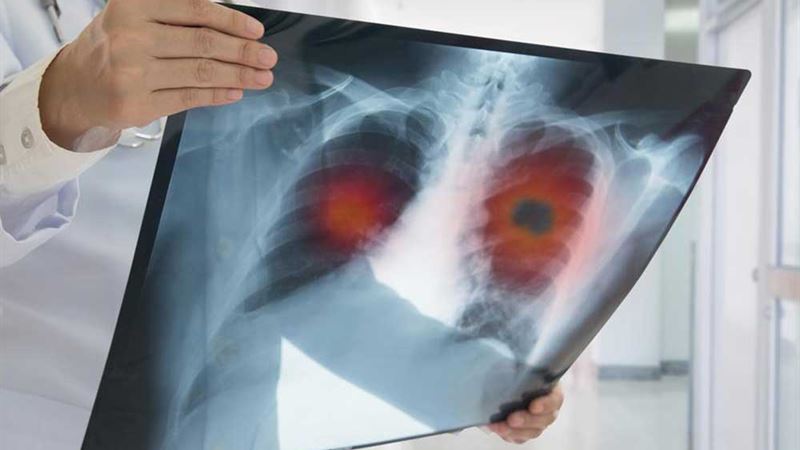
Pulmonary fibrosis is a chronic lung disease characterized by the thickening and scarring of lung tissue, which impairs respiratory function over time. Managing this condition effectively requires a thorough understanding of available treatment options, their benefits, limitations, and how they can be tailored to individual patient needs. Although current treatments cannot reverse lung scarring, they can significantly alleviate symptoms and slow disease progression. In this extensive guide, we explore various therapeutic strategies, ongoing research, lifestyle adjustments, and supportive care measures designed to improve quality of life for those affected by pulmonary fibrosis.
Understanding Pulmonary Fibrosis Treatments
While pulmonary fibrosis remains a complex and progressive disease, advances in medical science have provided a spectrum of treatment approaches aimed at symptom management and disease modification. The primary goal of current therapies is to maintain respiratory function, reduce complications, and enhance overall well-being. Although no cure exists yet, early intervention and personalized treatment plans can make a significant difference in patient outcomes.
Medical Management of Pulmonary Fibrosis
Ongoing research and clinical trials have brought forth newer medications that specifically target the pathways involved in lung scarring. These formulations, often classified as anti-fibrotic agents, aim to slow down the progression of idiopathic pulmonary fibrosis (IPF)—the most common form of pulmonary fibrosis with no identifiable cause. Two such medications, pirfenidone and nintedanib, have gained approval in many countries due to their ability to modestly extend life expectancy and reduce the decline in lung function.
In addition to anti-fibrotic drugs, doctors may prescribe corticosteroids and immunosuppressants for specific cases where inflammation plays a prominent role. However, these are generally less effective for IPF and are used selectively based on individual patient profiles.
Oxygen Therapy and Supportive Care
Oxygen therapy remains a cornerstone in the symptomatic management of pulmonary fibrosis. Administering supplemental oxygen helps to alleviate shortness of breath, improve exercise capacity, and prevent hypoxemia—a condition where blood oxygen levels fall below normal thresholds. It also reduces strain on the heart and minimizes related complications. Portable oxygen devices enable patients to continue daily activities while maintaining adequate oxygen levels, thereby improving their quality of life.
Other supportive measures include pulmonary rehabilitation, which combines physical exercise, breathing techniques, and education to empower patients. Such programs are crucial in helping individuals cope with disease symptoms, increase stamina, and enhance overall functioning.
Advanced and Emerging Treatments
Besides conventional therapies, emerging treatments are under investigation. These include gene therapy, stem cell treatments, and novel antifibrotic compounds that may offer future hope for reversing or halting lung scarring. Clinical trials continue to evaluate the safety and efficacy of these innovative approaches, bringing us closer to more effective management strategies.
Holistic and Lifestyle Approaches
Managing pulmonary fibrosis goes beyond pharmacology. Lifestyle modifications such as smoking cessation, vaccination against respiratory infections, maintaining a nutritious diet, and avoiding environmental toxins are vital components of comprehensive care. Patients are advised to stay active within their limits and seek counseling for mental health support, as chronic illness can significantly impact emotional well-being.
Early Diagnosis and Patient Education
Awareness about early symptoms and prompt medical evaluation can lead to earlier diagnosis, which is critical for optimizing treatment outcomes. Educating patients and their families about disease progression, treatment options, and self-care strategies fosters better adherence and reduces anxiety associated with the diagnosis.
Conclusion: The Path Forward in Pulmonary Fibrosis Care
Although pulmonary fibrosis remains a challenging condition with no definitive cure yet, the relentless advancement of research and clinical practice continues to improve patient prognosis. Combining medication, supportive therapies, lifestyle changes, and ongoing monitoring offers the best chance for maintaining quality of life. Patients are encouraged to work closely with healthcare providers to develop personalized management plans and stay informed about emerging therapies that may shape the future of pulmonary fibrosis treatment.
Introduction of novel treatments, early diagnosis, and comprehensive supportive care are fundamental to helping patients navigate this complex disease and achieve better health outcomes.