
Comprehensive Guide to Invisible Dental Aligners: Benefits, Usage, and Costs
Discover the comprehensive benefits of invisible dental aligners, including their effectiveness, ease of use, and cost. This guide offers insights into suitable candidates, treatment process, advantages over traditional braces, and maintenance tips. Learn how these discreet, removable devices can transform your smile seamlessly, with expert advice on choosing the right aligner and understanding the financial aspects involved. Perfect for adults and teens seeking a less noticeable orthodontic solution with high comfort and convenience.
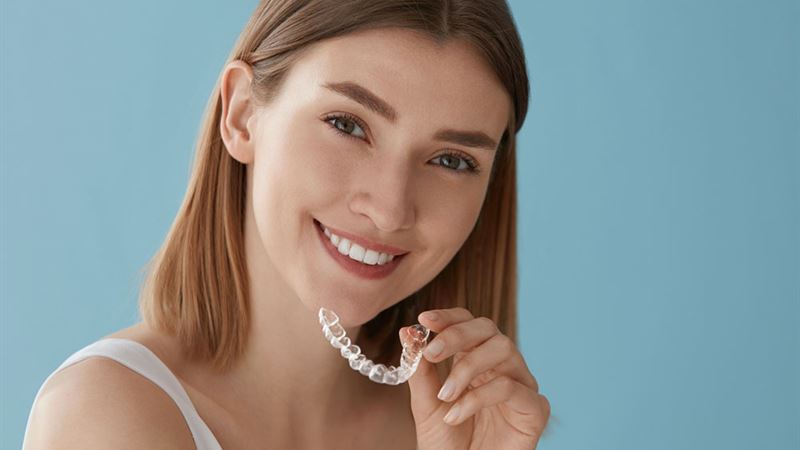
Who is a suitable candidate for invisible aligners?
Invisible aligners are suitable for a broad spectrum of patients, including adults and teenagers. These custom-made appliances are designed to fit perfectly over your teeth, which is crucial because each set must conform precisely to individual dental structures. The customization process involves taking detailed dental impressions and imaging to produce aligners specifically fitted for each patient. Nonetheless, prior consultation with an experienced dental professional is essential to determine whether aligners are the best option for your particular orthodontic needs.
Mechanics and Function of Invisible Aligners
Aligners work by gradually shifting teeth into their optimal positions, ultimately improving your bite—a term that refers to how your upper and lower teeth come together. During treatment, your dental specialist may utilize either traditional braces or clear aligners to correct bite issues. Creating an effective aligner involves multiple trials and adjustments to ensure proper tooth movement. Patients are typically required to switch to a new set of aligners every 10 to 14 days, each slightly more effective in nudging teeth towards their desired alignment. The process involves continuous monitoring and periodic modifications by your orthodontist to ensure progress stays on track.
Advantages of Choosing Invisible Aligners
One of the most compelling reasons to opt for invisible aligners is their discreet appearance. Since they are made from see-through plastic, they are virtually invisible, making them suitable for social and professional settings. Additionally, because they are removable, maintaining oral hygiene is significantly easier compared to traditional braces; patients can easily brush and floss their teeth without obstruction. Comfort is another standout benefit—without metal wires or brackets, aligners eliminate common issues such as mouth abrasions and irritation. Furthermore, being able to remove aligners during meals means there are no dietary restrictions, unlike traditional braces that require avoiding certain foods that could damage the hardware.
Frequency of Aligners Replacement
To optimize treatment, aligners need to be replaced regularly. The standard protocol involves changing to a new aligner every 10-14 days, with each new set subtly adjusting teeth positioning. Consistent wear is critical; patients should aim to wear the aligners for around 20-22 hours daily to achieve the best results. They are only removed for eating, drinking (anything other than water), brushing, and flossing. Adhering strictly to this schedule ensures quick progression and reduces the overall duration of treatment.
Cost Considerations of Invisible Aligners
The cost of invisible aligners varies based on factors such as the complexity of the dental corrections needed, the brand chosen, and geographic location. On average, treatment costs typically fall between $5,000 and $6,000, which can be higher than traditional braces. While the upfront cost may seem significant, many consider this a worthwhile investment due to the benefits of comfort, aesthetics, and convenience. Some dental insurance plans offer partial coverage for orthodontic treatments, but coverage for aligners specifically may vary. A thorough consultation with your orthodontist can provide a personalized cost estimate and payment options.