
Comprehensive Guide to Factors Influencing the Price of Invisible Dental Aligners
Discover comprehensive insights into the factors affecting the cost of invisible dental aligners, including regional variations, treatment complexity, age considerations, and insurance options. Learn how personalized treatment plans and technology influence pricing, helping you make informed decisions for a discreet, effective teeth straightening solution. This in-depth guide aims to empower patients with knowledge to navigate affordability and select the best orthodontic treatment tailored to their needs. Optimize your smile correction journey today with expert advice and practical tips.
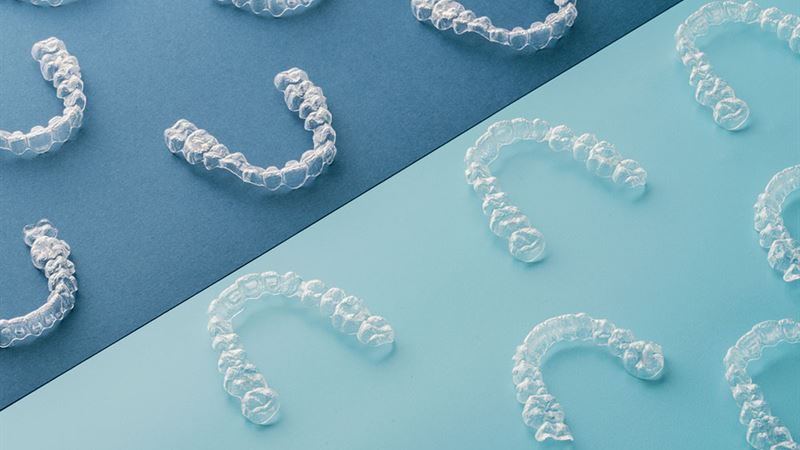
Understanding the Cost Dynamics of Invisible Dental Aligners
When considering invisible aligners as a corrective dental treatment, it’s crucial to delve into the various elements that contribute to their pricing. Several factors, ranging from geographic location to individual treatment complexity, play vital roles in determining the final cost. Whether you're exploring options locally or planning for treatment in a distant city, being well-informed about these contributors can optimize your decision-making process.
- **Geographical Variations in Cost:**
- **Age and Treatment Type Impact:**
- **Comparison with Traditional Braces:**
The price of invisible aligners varies substantially across different regions. Cities with higher living costs and operational expenses tend to have elevated prices due to increased overheads. For example, in highly populated metropolitan areas such as Sydney and Melbourne, the cost of these aligners is typically higher because clinics face more significant overhead expenses, including rent, staff salaries, and advanced technology investments. Conversely, smaller towns or regional centers often offer more competitive pricing, making aligners more accessible to a broader audience. On average, in countries like Australia, the cost starts from approximately AUD 6,000 for adult treatment. In major cities, this figure can increase beyond AUD 6,500, while in less urbanized areas, prices may hover around AUD 5,500, offering more budget-friendly options.
The individual’s age significantly influences the cost. Teenagers usually require shorter and less complex treatments, resulting in lower costs—typically between AUD 3,500 and AUD 7,500. Their growing teeth and minor spacing issues are easier to correct, and treatment plans are often streamlined. Adults, especially those with severe misalignments or complex dental issues, may need extended treatment durations with more aligners, thereby increasing overall expenses. Adults needing comprehensive correction, such as correcting bite issues or severe crowding, can expect higher bills due to extended treatment time and additional aligners.
Traditional orthodontic options like metal braces, ceramic braces, or lingual braces generally start at around AUD 4,500. Usually, they are more affordable upfront compared to invisible aligners, making them a preferred option for budget-conscious patients. However, traditional braces come with downsides—permanent visibility, potential discomfort, and restrictions on certain foods. On the other hand, clear aligners provide a flexible, nearly invisible alternative that often justifies their higher cost through comfort and aesthetic benefits. Many clinics also offer flexible financing plans or payment options, simplifying the hiring process for patients interested in these discreet solutions. Insurance coverage can also substantially reduce out-of-pocket expenses when opting for invisible aligners.
Determining Factors for the Final Price
The overall expense of invisible aligners is influenced by several nuanced factors. Understanding these will help you better predict your potential costs and plan your budget accordingly.
- **Treatment Complexity:**
- **Duration of the Treatment:**
- **Number of Aligners Needed:**
- **Insurance and Payment Plans:**
The orthodontist’s initial assessment determines the intricacy of your case. Minor spacing or crowding issues require less intervention, leading to lower costs. Conversely, treatment plans involving significant misalignments, bite correction, or jaw adjustments demand more extensive work, increasing the overall price. Advanced digital techniques, like 3D imaging and modeling, facilitate accurate design but may add to the cost.
The length of your treatment influences expenses. A typical aligner treatment can last from a few months up to two years. Longer durations necessitate more follow-up appointments, additional aligner sets, and increased clinical time, thereby elevating costs. Regular check-ins ensure proper progress; delays or adjustments during treatment can also impact the final price.
Each set of aligners is designed for a specific phase of tooth movement. Treatment success depends on the number of aligner trays required, which correlates directly with the severity of misalignment. More complex cases require more sets, which translates into higher costs. Patients might need to switch aligners every two weeks, and the total number of aligners can vary from 10 to over 30, depending on individual needs.
Many dental insurance policies offer partial coverage for orthodontic treatments, including aligners. The extent of coverage depends on your specific plan, the provider’s policies, and regional regulations. Additionally, numerous clinics provide flexible payment plans, installment options, or financing schemes that enable you to manage the expense more comfortably.
Additional Considerations Affecting Cost
Beyond the primary factors, other elements can influence the total expenditure for invisible aligners.
- **Material Quality:**
- **Brand and Technology:**
- **Geographic and Clinic Factors:**
- **Follow-up and Retreatment Needs:**
The type of plastic or material used for the aligners can impact the price. Higher-grade, more durable, and biocompatible materials tend to be pricier but may offer better comfort and longevity.
Certain brands or advanced treatment systems that incorporate proprietary technology might charge premium prices. Investments in sophisticated digital scans, customized software, and enhanced materials reflect on the final cost.
Accessibility to specialized orthodontists or clinics with cutting-edge technology can drive prices up. Conversely, some clinics might offer more affordable rates by streamlining processes or operating in lower-cost regions.
If additional refinements or retreatments are necessary after the initial completion, these will incur extra costs. Proper planning and adhering to the prescribed treatment plan can help reduce the need for retreatments.
In summary, while the initial cost of invisible aligners may seem high, considering the long-term benefits and the factors that influence the price can help you make an informed decision. An initial consultation with a qualified orthodontist will clarify your specific needs and provide an accurate cost estimate, enabling you to choose the best treatment plan that fits your budget and lifestyle.
Investing in invisible aligners offers a combination of aesthetic, functional, and health benefits. Their nearly invisible appearance, removability, and customized design make them a popular choice for those seeking a less intrusive orthodontic solution. Despite the variability in costs, understanding the influencing factors ensures you can make a well-informed choice that aligns with your dental goals and financial situation.