This comprehensive guide explores the causes, symptoms, and treatments for double vision (diplopia). It covers both monocular and binocular types, emphasizing the importance of early diagnosis, especially in adults with sudden onset symptoms. Learn about common systemic causes like thyroid issues, diabetes, neurological disorders, and vascular problems, alongside eye-related issues such as astigmatism and cataracts. Proper evaluation and targeted treatment approaches can restore clear vision and improve quality of life. Understand when to seek urgent care and the available management options to address this complex condition.
Understanding Double Vision: Causes, Symptoms, and Treatment Options
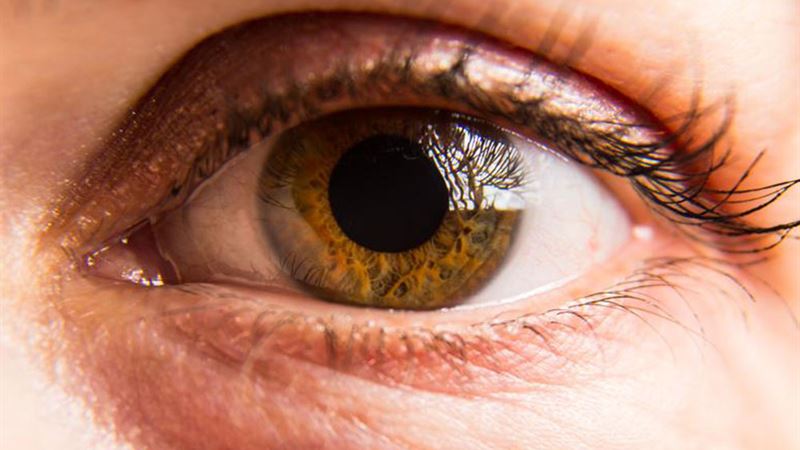
Double vision, medically known as diplopia, can significantly impact daily life, causing confusion and discomfort. It occurs when the eyes do not align properly or when the image perception is disrupted, leading to a person seeing two overlapping images instead of one. Understanding the underlying causes of double vision is essential for effective treatment and management. It’s crucial to distinguish between monocular and binocular double vision, as their causes and remedies differ.
Monocular double vision occurs when double images are seen with one eye closed, often caused by issues within the eye itself. These may include irregularities in the cornea, such as astigmatism—a condition where the cornea's shape causes blurred or distorted vision. Other contributing factors may involve dry eye syndrome—characterized by insufficient tear production—corneal abnormalities, lens problems like cataracts which cloud the eye's natural lens, or retinal degenerations such as age-related macular degeneration. Notably, when the affected eye is closed, the double vision ceases, indicating that the issue resides within the eye rather than the brain’s processing system.
Binocular double vision, however, involves both eyes failing to coordinate properly, resulting in the brain perceiving two images. This type of diplopia often stems from misalignment of the eyes, commonly due to strabismus or squint, particularly if diagnosed during childhood. If the eyes are not properly aligned, the brain receives conflicting signals, culminating in double images. These conditions require different diagnostic approaches and treatments, often involving eye muscle exercises, glasses with prisms, or surgical correction.
People of all ages can experience double vision, but it is particularly prevalent among children with recurring squint. For adults, a sudden onset of double vision warrants immediate medical evaluation, as it may be indicative of serious underlying health issues. These can include neurological disorders, vascular problems, or systemic diseases. Some common causes in adults include:
- Thyroid-related muscle dysfunction: Thyroid disorders such as Graves' disease can lead to inflammation and weakness of the eye muscles, affecting their movement and causing double vision. This condition often presents with bulging eyes and other thyroid symptoms.
- Diabetes mellitus: Persistent high blood sugar levels can damage small blood vessels, reducing blood supply to the nerves that control eye movements. This diabetic neuropathy can lead to double vision, especially if blood sugar control is poor.
- Neurological disorders: Conditions like myasthenia gravis weaken the muscles responsible for eye movement, causing intermittent or persistent double vision. Multiple sclerosis, a disease affecting the central nervous system, can also disrupt nerve signals to the eye muscles, resulting in diplopia.
- Vascular abnormalities: Aneurysms—abnormal bulges in blood vessel walls—particularly near the brain region, can exert pressure on nerves involved in eye movement, producing double images. Prompt diagnosis and treatment are critical to prevent complications.
- Other causes include brain tumors, orbital Cancers behind the eye, traumatic head injuries, and infections affecting the nervous system.
Accurate diagnosis of double vision requires a comprehensive eye examination and sometimes neuroimaging studies such as MRI or CT scans. Treatment options vary depending on the underlying cause and severity but often include corrective eyewear with prisms, medication, or surgery. Addressing systemic issues like thyroid dysfunction or controlling blood sugar levels is vital for managing or preventing diplopia.
In summary, double vision is a complex condition with numerous potential causes—from eye surface irregularities to serious neurological problems. Recognizing symptoms early and seeking appropriate medical care can significantly improve outcomes and quality of life. Whether caused by minor refractive errors or severe systemic illnesses, timely intervention is crucial for effective management and relief from the symptoms of double vision.
