
Effective Natural Strategies to Lower Cholesterol Levels and Promote Heart Health
Discover comprehensive natural strategies to effectively lower cholesterol levels, including dietary tips, lifestyle modifications, and heart-healthy habits. This detailed guide empowers you to take control of your cardiovascular health through practical, science-backed methods that complement medical treatments and promote overall well-being.
Elevated levels of HDL (commonly known as good cholesterol) play a vital role in maintaining cardiovascular health by transporting cholesterol from the bloodstream back to the liver, where it is processed and eliminated from the body. Achieving a balanced cholesterol profile is key to preventing heart disease. Conversely, high levels of LDL (bad cholesterol) contribute to the buildup of plaque within arteries, a phenomenon that significantly increases the risk of heart attacks, strokes, and other cardiovascular complications.
Understanding how to naturally regulate cholesterol levels is essential for long-term health. This comprehensive guide explores effective strategies, including dietary adjustments, lifestyle changes, and natural remedies, to help you lower harmful cholesterol and improve overall heart health. Whether you aim to reduce reliance on medications or adopt healthier habits, this article offers practical advice grounded in scientific research.
Holistic Approach to Cholesterol Management
Managing cholesterol effectively requires a multi-pronged approach that combines nutritious eating, physical activity, weight management, and other healthy lifestyle choices. While medications prescribed by healthcare professionals can be beneficial, integrating natural methods can enhance their effectiveness and promote sustainable health benefits over the long term. Here are detailed strategies to guide your journey toward optimal cholesterol levels.
Adopting a Heart-Healthy Diet
Diet is a cornerstone in managing cholesterol levels. Consuming foods low in saturated fats and cholesterol can significantly lower LDL levels and reduce cardiovascular risks. Making intentional food choices not only supports medication efficacy but also empowers you to take control of your health. The following sections detail the types of foods to incorporate into your diet and those to avoid for optimal cholesterol management.
Foods to Prioritize
- Omega-3 Fatty Acids
- Soluble Fiber
- Soy-Based Products
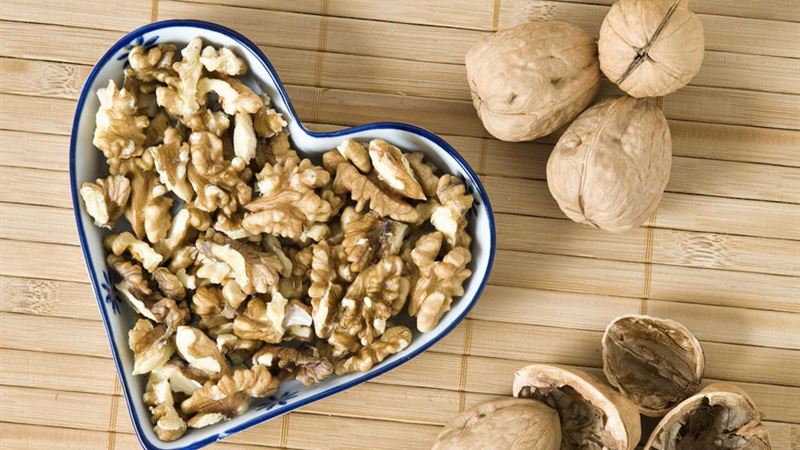
Omega-3 fatty acids are essential nutrients linked to numerous heart health benefits. Rich sources include fatty fish such as salmon, mackerel, halibut, trout, herring, and sardines. Additionally, plant-based sources like walnuts, almonds, ground flax seeds, and chia seeds provide vital omega-3s. Regularly including these foods in your diet can help elevate HDL (good) cholesterol, lower triglycerides, and reduce inflammation, ultimately decreasing the risk of cardiovascular disease.
Soluble fiber plays a critical role in lowering LDL cholesterol by binding to cholesterol molecules in the digestive tract and facilitating their excretion. Examples include oats, oat bran, legumes such as beans and lentils, fruits like apples, pears, and citrus, as well as vegetables like carrots and Brussels sprouts. Increasing soluble fiber intake can aid in maintaining healthy cholesterol levels, supporting overall cardiovascular health.
Soy foods, including soy protein, soy nuts, and soy milk, are naturally low in saturated fats and contain compounds called isoflavones, which may have a protective effect on arteries. Incorporating soy into your diet can help replace high-fat animal proteins, reduce LDL levels, and promote heart health.
Foods to Limit or Avoid
- Saturated Fats
- Trans Fats
Saturated fats are prevalent in animal products and certain processed foods. Common sources include butter, full-fat dairy products, red meats, and tropical oils like palm and coconut oil. Consuming high amounts of saturated fats can raise LDL cholesterol levels, increasing cardiovascular risk. It is advisable to limit these foods and opt for lean cuts of meat, low-fat dairy options, and healthier cooking methods such as baking, grilling, or steaming.
Trans fats, artificially created through hydrogenation, are found in many baked goods, fried foods, snack foods, and processed margarine. These fats are particularly harmful because they not only raise LDL levels but also decrease HDL (good cholesterol). Avoiding products containing trans fats is crucial for maintaining a healthy lipid profile and preventing heart disease.
Healthy Lifestyle Habits for Cholesterol Control
- Regular Physical Activity
- Moderating Alcohol Intake
- Weight Management
Engaging in consistent exercise, such as brisk walking, cycling, swimming, or aerobic classes, can effectively increase HDL cholesterol while reducing LDL cholesterol levels. Exercise helps improve vascular health, promotes weight loss, and decreases blood pressure, all of which contribute to healthier cholesterol profiles. Aim for at least 150 minutes of moderate-intensity activity weekly for optimal benefits.
While moderate alcohol consumption may have some cardiovascular benefits, excessive intake is associated with increased blood pressure, weight gain, and elevated cholesterol levels. Limiting alcohol to recommended amounts—up to one drink per day for women and two for men—is essential in maintaining healthy lipid levels and overall cardiovascular health.
Carrying excess body weight contributes to higher LDL cholesterol and lower HDL levels. Incorporating healthy dietary patterns and regular exercise into your routine can facilitate weight loss and improve lipid profiles. Focus on gradual, sustainable weight reduction through balanced eating habits and active living to support long-term heart health.
By embracing these natural strategies—focused nutritional choices, consistent physical activity, weight management, and lifestyle modifications—you can effectively lower your cholesterol levels, reduce your risk of cardiovascular disease, and support overall well-being. Remember, individual results vary; always consult with a healthcare professional before making significant changes to your health regimen. The journey toward better heart health is continual, and every healthy choice counts.