
Effective Strategies for Managing Your Cholesterol Levels Naturally
Learn comprehensive strategies to effectively manage and lower your cholesterol levels naturally. This detailed guide covers dietary changes, lifestyle habits, and medical advice to promote heart health and prevent cardiovascular issues. Implement practical tips like eating fiber-rich foods, exercising regularly, quitting smoking, and monitoring your cholesterol to ensure a healthier heart and longer life.
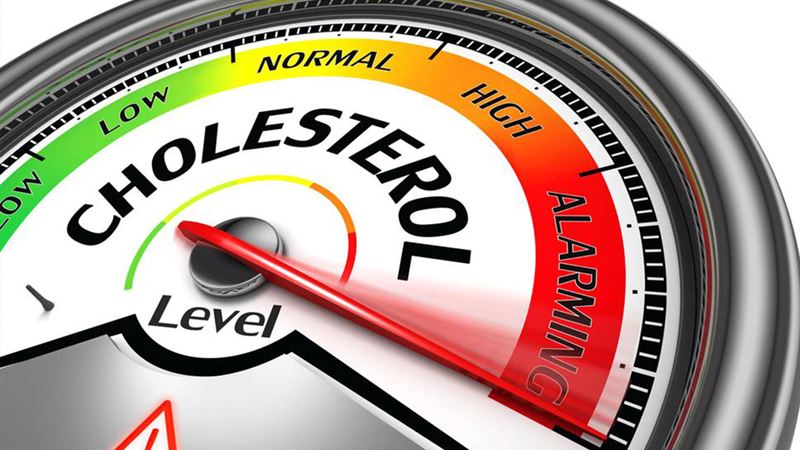
Understanding Cholesterol Readings and What They Signify
When reviewing your cholesterol test results, it can often be confusing because of the various numerical values and their significance. Regular screening is essential for early detection of abnormal levels, particularly for individuals over age 20, who should have their cholesterol checked every five years or as advised by their healthcare provider. The typical report includes several key indicators:
- Total Cholesterol: Indicates the overall cholesterol in your blood. A total cholesterol level below 200 mg/dl is generally considered desirable, reducing the risk of heart disease. Levels between 200-239 mg/dl are borderline high, while 240 mg/dl and above are categorized as high, increasing health risks.
- Low-Density Lipoprotein (LDL): Often called 'bad' cholesterol because high levels can cause plaque buildup in artery walls, narrowing or blocking blood flow. An optimal LDL level is below 100 mg/dl. Levels between 130-159 mg/dl are borderline high, 160-189 mg/dl is high, and 190 mg/dl or above is very high, demanding medical attention.
- High-Density Lipoprotein (HDL): Known as 'good' cholesterol, HDL helps remove excess cholesterol from the bloodstream. A healthy HDL level is 60 mg/dl or higher; levels below 40 mg/dl for men and 50 mg/dl for women are considered risk factors for heart disease. A higher HDL level is protective and linked to lower cardiovascular risks.
- Triglycerides: These are fats in your blood that, when elevated, contribute to artery hardening. Normal triglyceride levels are less than 150 mg/dl. High levels, particularly above 200 mg/dl, increase the risk of heart disease and indicate metabolic disturbances.
Monitoring these numbers regularly provides vital insights into your cardiovascular health and helps guide appropriate interventions.
Adopting a Heart-Healthy Diet
Research from top nutritional and medical institutions, including Harvard University, emphasizes the significance of diet in managing cholesterol levels. Individuals with elevated LDL cholesterol can significantly benefit from a dietary approach that emphasizes nutritious, fiber-rich foods while limiting or avoiding foods that elevate bad cholesterol. Here are key dietary strategies:
- Whole Grains and Cereals: Start your day with a bowl of oatmeal topped with fresh fruits like bananas and strawberries, and a handful of nuts. Oatmeal and other whole grains such as barley and brown rice contain soluble fiber that effectively reduces LDL cholesterol. Aim for 20 to 35 grams of fiber daily, but many people, especially in Western countries, still fall short of this target. Increasing fiber intake can substantially lower cholesterol levels.
- Legumes and Beans: Beans—including kidney beans, lentils, black-eyed peas, and chickpeas—are excellent sources of soluble fiber. They help you stay full longer, reduce hunger, and actively lower cholesterol by preventing its buildup in the arteries. Incorporating vegetables like eggplant and okra, which are fiber-dense, also supports cholesterol reduction. Regular consumption of legumes can improve lipid profiles and overall heart health.
- Healthy Cooking Oils: Replace saturated fats and trans fats with heart-friendly oils like extra virgin olive oil, avocado oil, and canola oil. These oils contain beneficial monounsaturated fats that help raise HDL cholesterol and lower LDL cholesterol. When cooking, favor methods like sautéing, roasting, or drizzling olive oil over salads for maximum health benefits. Avoid hydrogenated oils and processed fats which increase bad cholesterol.
- Fruits, Vegetables, and Nuts: Incorporate a variety of colorful fruits and vegetables into your meals. Rich in fiber, antioxidants, and phytochemicals, these foods aid in reducing oxidative stress and inflammation associated with heart disease. Nuts such as almonds and walnuts contain healthy fats that support HDL production, while fruits like berries provide additional antioxidants.
Additional Lifestyle Tips for Heart-Healthy Living
Diet is only part of the strategy for controlling cholesterol. A holistic approach involves lifestyle adjustments that reinforce dietary benefits:
- Regular Exercise: Engage in at least 150 minutes of moderate aerobic activity per week. Exercise helps increase HDL, lower LDL, and reduce triglycerides, contributing to better heart health. Activities include brisk walking, cycling, swimming, or jogging.
- Weight Management: Achieving and maintaining a healthy weight reduces the burden on your cardiovascular system and improves your lipid profile. Even modest weight loss can lead to significant reductions in LDL and triglycerides while boosting HDL.
- Quit Smoking: Smoking damages blood vessels, lowers HDL, and promotes plaque buildup. Quitting smoking enhances your HDL levels and dramatically reduces your risk of heart disease.
- Limit Alcohol Intake: Excessive alcohol can raise triglyceride levels and contribute to weight gain. Moderation is key—up to one drink per day for women and up to two for men.
- Stress Reduction: Chronic stress can negatively impact cholesterol levels. Practice stress management techniques such as meditation, yoga, or breathing exercises to promote overall cardiovascular health.
Medical Interventions and When to Seek Help
While lifestyle modifications are highly effective, some individuals may require medication to manage their cholesterol levels, especially if they have genetic predispositions or existing heart disease. Statins and other cholesterol-lowering drugs can be prescribed by a healthcare provider. It is crucial to monitor your cholesterol regularly and follow your doctor’s advice. Never start or stop medications without medical consultation.
In conclusion, maintaining healthy cholesterol levels is a vital component of heart health. Through balanced diet, regular physical activity, quitting smoking, and managing stress, you can significantly reduce your risk of cardiovascular diseases. Proactive management combined with medical support when needed can help you enjoy a longer, healthier life.