
Comprehensive Strategies for Managing and Alleviating Knee Pain
This comprehensive guide offers detailed strategies to manage knee pain effectively, covering causes, immediate care, medical options, and lifestyle changes. Learn how to prevent further joint damage, explore surgical and alternative therapies, and adopt habits that support long-term knee health for an active, pain-free life.
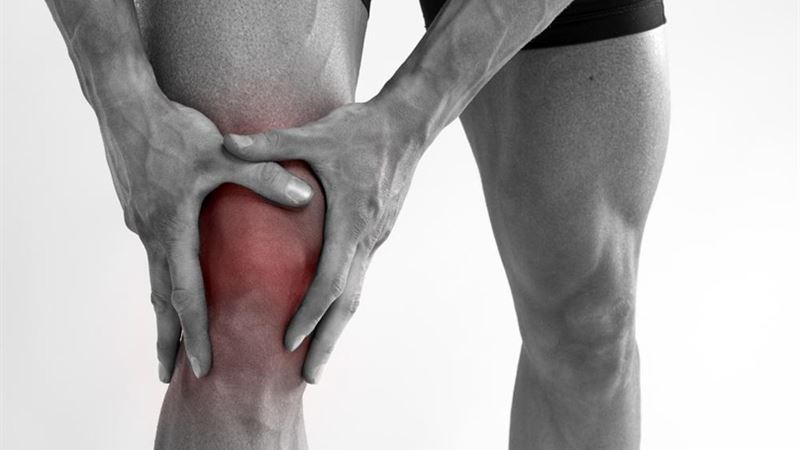
Understanding the Root Causes of Knee Pain
Many individuals experience knee discomfort for different reasons, ranging from acute injuries to chronic degenerative conditions. Recognizing the underlying cause is essential for choosing the most effective treatment plan. Common causes include traumatic injuries such as ligament tears, meniscus damage, fractures, and dislocations. Chronic conditions like osteoarthritis, rheumatoid arthritis, and gout also frequently contribute to persistent knee pain. Factors such as obesity, overuse, improper biomechanics, and aging further exacerbate joint vulnerabilities.
Immediate Response and Initial Home Treatments
- At the onset of knee injury, applying a cold compress is one of the most effective immediate measures to reduce swelling and inflammation. Cold therapy constricts blood vessels, limiting the flow of fluids to the injured area, which helps control swelling. Keep the knee joint elevated above heart level to facilitate fluid drainage and minimize inflammation.
- Rest the affected limb to prevent further injury. Avoid putting weight on the knee, and use crutches if necessary to offload the joint.
- Over-the-counter non-steroidal anti-inflammatory drugs (NSAIDs), such as ibuprofen or naproxen, can help reduce pain and inflammation. Always follow dosage instructions and consult a healthcare professional if symptoms worsen or persist beyond 7 to 10 days.
Medical Treatments and Interventions
- For persistent or severe knee pain, seeking a professional medical evaluation is essential. Doctors may recommend imaging studies like X-rays, MRI scans, or ultrasound to determine the extent of joint damage and identify specific causes.
- Rheumatoid arthritis, gout, and osteoarthritis are leading causes of chronic knee discomfort. While gout can often be cured through dietary management and medications, osteoarthritis and rheumatoid arthritis are managed rather than cured. Corticosteroid injections directly into the joint can provide effective relief from inflammation and pain.
- Hyaluronic acid injections serve as a lubricant, mimicking the natural synovial fluid within the joint. These injections can reduce friction, soothe inflammation, and improve mobility in affected knees.
- Arthroscopy, a minimally invasive surgical procedure, allows surgeons to diagnose and treat internal joint issues. Small incisions enable insertion of a fiber-optic camera and specialized instruments to repair damaged cartilage, remove loose bodies, or debride inflamed tissues.
- In advanced cases where conservative treatments fail, knee replacement surgery may be necessary. Partial or total knee arthroplasty involves replacing damaged joint surfaces with prosthetic components to restore function and alleviate pain.
Alternative and Complementary Therapies
- Supplementation with glucosamine and chondroitin sulfate has shown promising outcomes in reducing symptoms of osteoarthritis, though results can vary among individuals.
- Strengthening exercises targeting the muscles around the knee—quadriceps, hamstrings, and calves—are critical in supporting joint stability and reducing strain during daily activities.
- Flexibility exercises, such as stretching routines and yoga, improve joint range of motion and decrease stiffness.
- Acupuncture has been recognized as a complementary therapy to mitigate pain symptoms and enhance joint function in some patients.
- Weight management is a vital aspect of knee pain relief. Reducing body weight decreases joint load, alleviating stress on the knees and slowing disease progression.
Lifestyle Adaptations to Support Knee Health
- Maintaining a healthy weight reduces compressive forces on the knee joints, thereby lessening pain and delaying degenerative changes.
- Engaging in low-impact aerobic activities, such as swimming or cycling, helps improve cardiovascular health and joint mobility while minimizing stress on the knees.
- Wearing supportive footwear and using orthotic inserts can correct biomechanical issues and prevent further injury.
- Avoiding repetitive high-impact activities and abrupt movements can prevent injury recurrence.
- Regular check-ups and early intervention at signs of knee discomfort can significantly improve long-term joint health.
In Summary
Effective management of knee pain involves a combination of immediate relief measures, medical interventions, lifestyle modifications, and, in some cases, surgical procedures. Understanding the causes and early symptoms of knee pain allows for timely treatment, which is vital for preventing permanent damage. By adopting a holistic approach that includes physical therapy, proper nutrition, and weight management, individuals can significantly improve knee function and maintain an active lifestyle. Consulting healthcare professionals for personalized treatment plans ensures better outcomes and a quicker return to normal activities.