
Comprehensive Guide to Lateral Knee Pain: Causes, Diagnosis, and Treatment Strategies
Discover comprehensive insights into lateral knee pain, including causes like osteoarthritis, meniscus tears, and ITBS. Learn diagnostic methods, treatment options, and effective prevention strategies to manage and recover from outer knee discomfort. This detailed guide empowers patients with knowledge to make informed decisions about their knee health and treatment paths, covering conservative approaches and when surgical intervention is necessary for lasting relief.
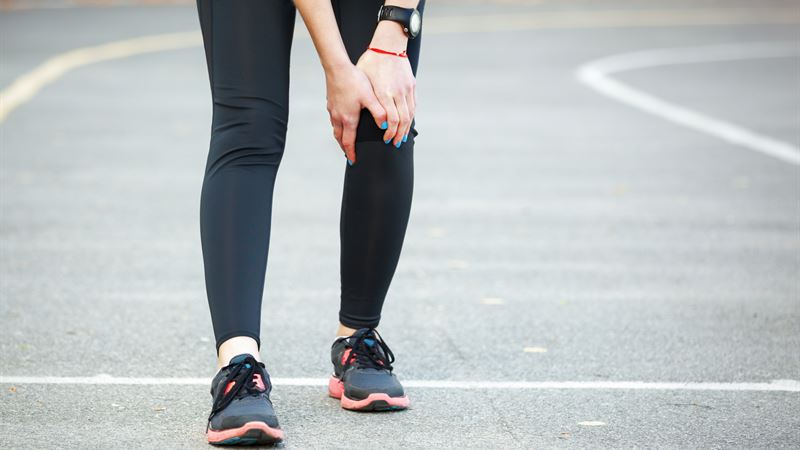
Often, knee pain arises due to inflammation or injury in the fibrous tissue band called the iliotibial tract, which runs down the outer thigh and connects to the shinbone. Overuse, twisting injuries, or degenerative diseases like osteoarthritis can also contribute to pain on the outer knee. Knowing the specific symptoms and underlying causes is essential to determine appropriate intervention strategies. In this article, we delve deep into the various aspects of lateral knee pain, empowering you with knowledge to manage and alleviate this discomfort effectively.
Understanding the Symptoms of Outer Knee Pain
The nature and intensity of lateral knee pain depend heavily on its origin. Recognizing common symptoms can aid in early diagnosis and treatment:
- Persistent dull or sharp pain on the outer side of the knee
- Swelling and tenderness around the joint
- Difficulty in standing or walking long distances
- Stiffness, especially after periods of inactivity
- Instability or wobbliness when bearing weight
- Feeling of locking or catching within the knee joint
- Radiating pain up the thigh or down to the calf
Common Causes of Lateral Knee Pain
Osteoarthritis of the Lateral Tibiofemoral Joint
One of the most prevalent causes of outer knee pain is osteoarthritis, a degenerative joint disease characterized by the gradual wearing away of cartilage— the smooth tissue cushioning the ends of bones. When osteoarthritis affects the lateral compartment of the knee, it is termed lateral tibiofemoral osteoarthritis. This condition typically develops with age but can also result from injury or repetitive stress.
Symptoms of lateral osteoarthritis include morning stiffness lasting less than 30 minutes, swelling, decreased range of motion, muscle weakness around the knee, and episodes where the knee gives way unexpectedly. Over time, the joint may become visibly deformed, with bone spurs forming around the joint margins, further impairing movement. Managing osteoarthritis involves both conservative and surgical options, depending on severity.
Meniscus Tears on the Outer Side
The lateral meniscus is a crescent-shaped piece of fibrocartilage that acts as a shock absorber and stabilizer for the knee joint. It is situated on the outer side of the knee, and injuries to this structure are common, especially among athletes involved in twisting and pivoting sports.
A lateral meniscus tear can cause localized pain, swelling, and a sensation of the knee locking or catching during movement. Patients often find it difficult to fully straighten or bend the knee, and the joint may feel unstable. The tear can occur suddenly due to trauma or develop gradually due to degenerative processes, especially in older adults. Surgical repair or removal of the damaged meniscus is often necessary for long-term relief.
Iliotibial Band Syndrome (ITBS)
The iliotibial (IT) band is a thick connective tissue that runs along the outside of the thigh, from the hip's outer part to the shinbone. Repetitive activities such as running, cycling, or jumping can cause this band to tighten or become inflamed, leading to ITBS—a common overuse injury.
ITBS manifests as burning or sharp pain on the outer knee, which may extend upward toward the hip. It is often aggravated by continued activity, especially downhill running or repetitive bending of the knee. Athletes, particularly runners and cyclists, are at increased risk. Rest, stretching, physical therapy, and proper training modifications typically help resolve ITBS, though severe cases may require further intervention.
Lateral Collateral Ligament (LCL) Sprain or Tear
The LCL is a narrow, cord-like ligament that provides stability by preventing the knee from buckling outward. It attaches the femur (thigh bone) to the fibula (outer lower leg bone). External trauma, such as a blow to the inside of the knee, can cause the LCL to stretch or rupture.
Symptoms of an LCL injury include a sudden snap or popping sensation, swelling, pain along the outer knee, and instability, especially when weight-bearing. Because the LCL is close to the peroneal nerve, nerve involvement can cause numbness or tingling sensations in the foot. Mild sprains may improve with conservative treatment, but severe tears might necessitate surgery.
Diagnosing Lateral Knee Pain
Accurate diagnosis of lateral knee pain involves a thorough clinical evaluation. Your healthcare provider will ask detailed questions about your symptoms, including onset, nature, duration, and activities that worsen or improve the pain. They will assess your medical history for previous injuries or degenerative conditions sheduled. During the physical examination, the doctor will check for swelling, tenderness, joint stability, and range of motion. Specific maneuvers may be performed to reproduce symptoms and pinpoint the affected area.
Imaging tests are critical in confirming the diagnosis. X-rays provide a view of bone structure, revealing joint space narrowing, bone spurs, or fractures. MRI scans are invaluable for visualizing soft tissue injuries such as ligament tears, cartilage wear, or meniscal damage. CT scans can be used for detailed bone assessment in complex cases. Sometimes, ultrasound may be employed to assess superficial structures and guide certain therapeutic interventions.
Conventional Treatment Approaches for Lateral Knee Pain
Conservative, Non-Invasive Strategies
The first line of management for most lateral knee issues involves conservative measures. Rest is essential to prevent worsening of injury, especially in cases of ligament sprains or meniscal tears. Applying ice packs during the initial 48 hours reduces pain, swelling, and inflammation. Elevating the limb minimizes swelling by aiding fluid drainage, and compression through a knee sleeve provides additional support.
Non-steroidal anti-inflammatory drugs (NSAIDs) like ibuprofen can help control pain and inflammation. Physical therapy is a cornerstone of treatment, focusing on strengthening the muscles around the knee, improving flexibility, and restoring range of motion. Specific exercises tailor-made for conditions like ITBS, LCL sprains, or degenerative osteoarthritis are highly effective. Avoiding activities that exacerbate pain, such as twisting or high-impact sports, is crucial during recovery.
Home Care and Self-Management
In minor cases or initial injury phases, home remedies can provide relief. Regularly applying ice to the affected area, elevating the limb, and using compression supports can significantly reduce discomfort. Over-the-counter analgesics can be used judiciously, but it is vital to consult healthcare providers before self-medicating. Gentle stretching and low-impact exercises should be incorporated gradually as tolerated. Maintaining a healthy weight also lessens stress on the knees, preventing future problems.
Physical Therapy and Rehabilitation
Physical therapy remains vital in managing lateral knee pain, regardless of the cause. Therapists design personalized exercise programs to enhance muscle strength, improve joint stability, and increase flexibility. Techniques such as ultrasound therapy, manual therapy, and electrical stimulation may be employed to reduce pain and promote healing.
For ITBS, stretching the iliotibial band and strengthening the hip abductor muscles are essential. In ligament injuries, focus is placed on restoring stability and proprioception to prevent recurrent injuries. Consistent adherence to prescribed routines speeds recovery and minimizes the risk of chronic pain or instability.
When Is Surgical Intervention Necessary?
Surgery is generally considered when conservative treatments fail to provide relief or when the injury is severe. Interventions may vary based on the specific diagnosis:
- Osteoarthritis: Partial or total knee joint replacement may become necessary for advanced cases where pain and disability are significant.
- Meniscal Tears: Arthroscopic surgery allows for repair or removal of damaged meniscal tissue, restoring joint function.
- LCL Injuries: Severe ligament ruptures might require reconstructive surgery to restore stability.
- ITBS and Chronic Inflammation: In refractory cases, minimally invasive procedures like corticosteroid injections or, rarely, surgical release of the IT band may be performed.
Postoperative rehabilitation is crucial to regain full function and prevent future injuries. Early mobilization and guided physical therapy form the backbone of successful surgical outcomes.
Prevention and Long-Term Management
Preventing lateral knee pain involves maintaining strength and flexibility through regular exercise, ensuring proper technique during sports, and wearing suitable footwear. Cross-training and avoiding repetitive motions can reduce overuse injuries like ITBS. Weight management decreases joint load, especially in degenerative conditions. Regular check-ups and early intervention for minor issues can preclude the development of chronic problems. Engaging in balanced training routines and listening to your body's signals are essential for long-term knee health.
In summary, lateral knee pain encompasses a wide spectrum of causes, from degenerative joint disease to ligament injuries. Early diagnosis, appropriate treatment, and preventive measures are key to ensuring rehabilitation and maintaining mobility. Always consult a healthcare professional for an accurate diagnosis and tailored treatment plan to regain optimal knee function effectively.