
Comprehensive Guide to Assisting Someone Experiencing an Epileptic Seizure
Learn comprehensive and practical tips for assisting someone during an epileptic seizure. This detailed guide emphasizes calmness, safety measures, and post-seizure care to ensure effective support in emergency situations. Proper understanding can help prevent injuries and ensure timely medical assistance when necessary.
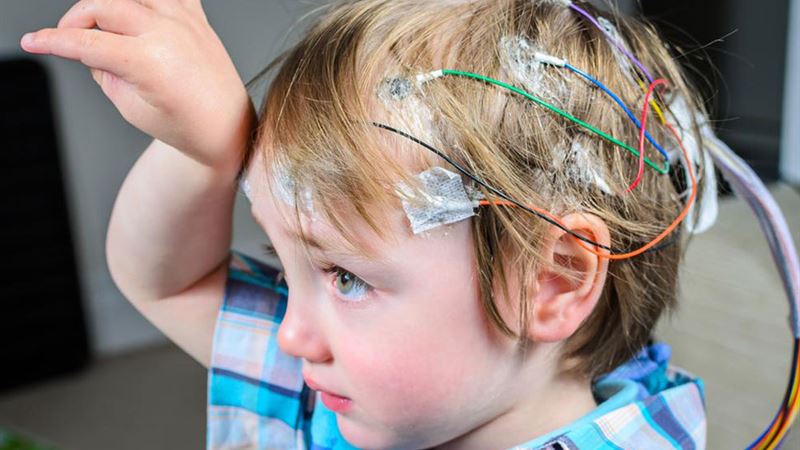
Maintain Calmness and Provide Support – Witnessing a loved one or a stranger having an epileptic seizure can be stressful, but your calm demeanor is crucial. Keeping your composure not only helps you think clearly but also provides reassurance to the person experiencing the seizure. While seizures can sometimes appear intense or alarming, they are usually brief and not life-threatening if managed properly. Panic and frantic movements can exacerbate the situation, potentially causing additional injuries or distress. Therefore, staying calm allows you to act effectively and offers the best support possible during this critical moment.
Monitor the Duration of the Seizure – Keeping track of how long the seizure lasts is essential. Most seizures typically last from a few seconds to a couple of minutes. If the seizure extends beyond five minutes, or if multiple seizures occur without the individual regaining full consciousness in between, urgent medical assistance should be sought immediately. Knowing the duration can help healthcare professionals understand the severity of the situation and respond appropriately. Use a timer to keep accurate records, which can be crucial information for emergency responders.
Clear the Nearby Area – To prevent injuries and minimize anxiety, ensure the environment around the person is safe. Carefully move away objects that could cause harm, such as furniture, sharp-edged items, or fragile items. If possible, ask bystanders to also step back to create space. It's important not to restrain the individual but to keep the area clear so they won’t hurt themselves during the seizure. Creating a safe environment helps the person experiencing the seizure to have less movement restriction and reduces the risk of additional injuries.
Avoid Putting Anything in the Mouth – A common misconception is that one should place objects or fingers inside the mouth of someone having a seizure. This practice is harmful and can cause choking, dental damage, or airway obstruction. People cannot swallow their tongues during seizures, contrary to popular belief. Instead, focus on preventing choking by laying the person on their side if possible, and do not attempt to open the jaw or insert objects into the mouth. Allow the seizure to run its course naturally while preventing additional injuries.
Protect from Physical Harm – During a seizure, the person may thrash or fall, risking injury from hitting furniture, the floor, or nearby objects. Do not attempt to hold the person down forcibly; this can cause muscle strains or other injuries. Instead, gently support them by guiding their head to prevent hitting the ground and assisting them to avoid nearby hazards. If seated or lying on the ground, cushioning their head with a soft object or hands is advisable. Once the seizure subsides, the individual may be disoriented, so providing gentle guidance and support is vital.
Loosen Tight or Restrictive Clothing – Tight accessories, especially around the neck, can hinder breathing and contribute to discomfort. Loosen any tight clothing around the neck, collar, or waist to facilitate easier breathing. Ensure the individual is in a safe, comfortable position, ideally lying on their side in the recovery position. This posture helps maintain airway patency and prevents choking in case of vomiting or saliva build-up.
Provide Post-Seizure Care and Reassurance – Once the seizure ends, the person may feel confused, tired, or embarrassed. Stay with them and offer reassurance, letting them know they are safe. Help them sit or lie in a comfortable position, and stay until they are fully alert and oriented. If they are injured or confused, seek medical help promptly. Emotional support and calm communication during the recovery phase are crucial for their well-being.
Seek Emergency Help When Necessary – Certain seizure situations require immediate medical attention. Call emergency services if the seizure lasts longer than five minutes, if multiple seizures occur without full consciousness in between, if the person is injured, pregnant, or has pre-existing health conditions. Also, if the individual does not regain awareness after the seizure, or if they have difficulty breathing, seek medical assistance promptly. Providing accurate information about the seizure's duration and characteristics can help emergency responders deliver appropriate care swiftly.
Additional Tips and Awareness – Educating yourself about epilepsy and seizure management can be lifesaving. Recognize different types of seizures, understand common triggers, and learn first aid procedures. Over time, your knowledge can help reduce anxiety and improve the quality of support provided to those with epilepsy. Moreover, advocating for epilepsy awareness and supporting individuals affected by this neurological condition contributes to reducing stigma and fostering a more inclusive society.