
Comprehensive Guide to Chronic Obstructive Pulmonary Disease (COPD): Causes, Symptoms, Diagnosis, and Treatments
This detailed article covers everything you need to know about COPD, including its causes, symptoms, diagnostic methods, treatments, and lifestyle tips. Learn how to manage emphysema, chronic bronchitis, and refractory asthma effectively to improve quality of life. Expert insights provide valuable guidance for patients and caregivers on preventing disease progression and living actively despite COPD challenges.
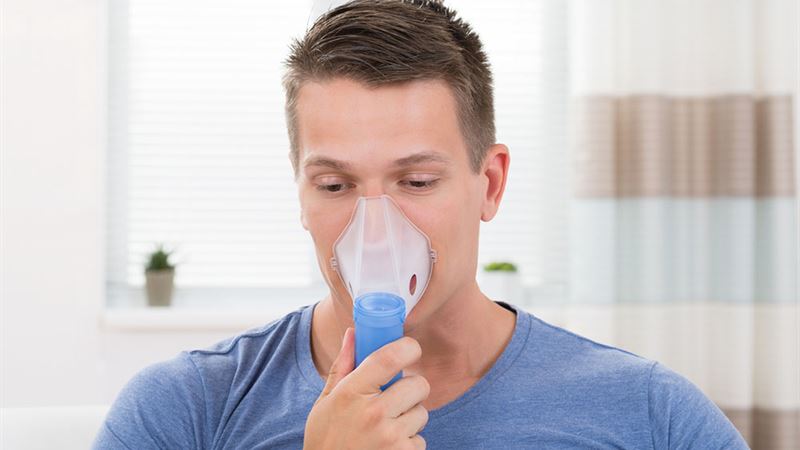
Chronic Obstructive Pulmonary Disease (COPD) is a progressive respiratory disorder that significantly affects millions of individuals worldwide. Understanding COPD involves recognizing its primary components: emphysema, chronic bronchitis, and refractory asthma. Proper knowledge of these conditions, their causes, symptoms, and treatment options is vital for effective management and improving quality of life. This comprehensive guide aims to shed light on all aspects of COPD, empowering patients and caregivers with valuable information to combat this challenging condition.
Understanding COPD’s core components is the first step toward effective control. Each component affects lung function differently, but collectively, they contribute to airflow obstruction, respiratory difficulty, and diminished oxygen exchange. Delving into each aspect helps individuals recognize symptoms early and seek appropriate medical intervention.
- Emphysema: Damage to the Air Sacs and Lung Elasticity
Emphysema is characterized by irreversible damage to the alveoli—the tiny air sacs in the lungs responsible for gas exchange. This damage results from the breakdown of alveolar walls, causing multiple small sacs to merge into larger air spaces. These enlarged air sacs cannot efficiently absorb oxygen, leading to reduced oxygen levels in the bloodstream. Moreover, the destruction of alveolar walls compromises the lungs' elasticity, making it difficult to exhale fully. As trapped air accumulates, individuals experience persistent shortness of breath, especially during physical activity. Over time, the lungs' inability to recoil properly hampers effective breathing, profoundly affecting daily life.
- Chronic Bronchitis: Inflammation and Mucus Obstruction
Chronic bronchitis involves persistent inflammation of the bronchial tubes, leading to swelling and increased mucus production. The symptoms manifest as a consistent cough, producing mucus that may be white, yellow, or greenish, lasting at least three months over two consecutive years. The bronchial tubes are lined with tiny hair-like structures called cilia, which help move mucus out of the lungs. In chronic bronchitis, these cilia are damaged or lose their function, making it difficult to clear mucus. This bottleneck results in recurrent coughs, increased susceptibility to infections, and a cycle of airway obstruction that worsens over time. Managing this condition requires addressing inflammation and clearing mucus to improve airflow.
- Refractory Asthma: Resistance to Conventional Treatments
This form of asthma is notably resistant to standard medications, making it challenging to control. Unlike typical asthma that responds well to inhalers and corticosteroids, refractory asthma persists despite aggressive treatment strategies. Patients often experience ongoing airway constriction, frequent exacerbations, and a significant impact on daily activities. Understanding that refractory asthma does not respond readily to usual therapies underscores the importance of specialized care, advanced medications, and sometimes surgical interventions to keep the disease manageable.
Primary Causes of COPD
Identifying the root causes of COPD is crucial for prevention and management. The major contributors include:
- Smoking: Smoking remains the leading cause of COPD globally. The inhalation of tobacco smoke irritates lung tissues, damages alveoli, and accelerates the decline of lung function. Even occasional or passive exposure to cigarette smoke can significantly increase risk, emphasizing the importance of smoking cessation efforts.
- Environmental Pollutants and Toxic Fumes: Long-term exposure to air pollution, chemical fumes, dust, and toxic substances at workplaces such as factories or construction sites heightens susceptibility to COPD. Chronic inhalation of harmful airborne particles causes persistent inflammation and tissue damage in lungs.
- Secondhand Smoke: Breathing in smoke from others' cigarettes, cigars, or pipes can be just as harmful as active smoking. It contributes to lung inflammation and damage, especially in vulnerable populations like children and non-smokers living with smokers.
- Genetic Factors: Rare cases involve genetic predispositions, notably alpha-1 antitrypsin deficiency. This hereditary defect impairs the production of a protective protein in the lungs, making individuals more prone to alveolar destruction and COPD development, even without significant smoking history.
- Uncontrolled Asthma: Long-standing, untreated asthma can lead to chronic lung changes, ultimately progressing to COPD if not properly managed.
Recognizing Symptoms of COPD
Early detection of COPD is challenging because initial symptoms are mild or resemble other respiratory conditions. However, recognizing key signs enables timely diagnosis and intervention. The hallmark symptom is a persistent cough accompanied by mucus production over several months. As the disease advances, additional signs become evident:
- Difficulty breathing during exertion or at rest
- Chest tightness or discomfort
- Wheezing sounds during respiration
- Bluesy lips or fingernails indicative of low oxygen levels
- Constant clearing of the throat due to mucus buildup
- Frequent respiratory infections or colds that linger
- Reduced energy levels and fatigue
- Swelling in ankles, feet, or legs caused by strain on the heart
- Chronic cough producing thick mucus
Diagnostic Tools for COPD
Accurate diagnosis involves a combination of clinical examination and specialized tests. Common diagnostic procedures include:
- Lung Function Tests: Spirometry measures the amount and speed of air inhaled and exhaled. It provides vital information about airflow limitation and guides treatment decisions.
- Chest Imaging: X-rays can reveal emphysematous changes and other lung alterations. CT scans offer detailed images, helping assess the extent of damage and potential surgical options.
- Blood Tests: Arterial blood gas analysis evaluates oxygen and carbon dioxide levels, indicating how well the lungs are functioning in gas exchange.
Current and Emerging Treatments for COPD
Managing COPD requires tailored strategies depending on severity. The overarching goal is to alleviate symptoms, prevent exacerbations, and enhance quality of life. Major treatment approaches include:
- Quitting Smoking: The most impactful step is cessation of tobacco use. Quitting slows lung decline, improves breathing, and reduces life-threatening risks.
- Medications: Inhalers containing bronchodilators, corticosteroids, phosphodiesterase inhibitors, and combination therapies are standard. Antibiotics may be prescribed during infections.
- Oxygen Therapy: For those with significant oxygen deficiency, supplemental oxygen enhances oxygen levels and supports vital organ function.
- Rehabilitation Programs: Pulmonary rehab combines education, exercise, and nutritional counseling to strengthen respiratory muscles and improve endurance.
- Surgical Options: Severe emphysema may necessitate procedures such as lung volume reduction, lung transplantation, or bullectomy to improve breathing capacity.
Natural and Lifestyle Strategies to Support COPD Management
In addition to medical treatments, lifestyle modifications and natural remedies can significantly impact disease progression and patient comfort. These include:
- Breathing Techniques: Learning specialized breathing exercises, like diaphragmatic and pursed-lip breathing, can reduce shortness of breath and improve oxygen efficiency.
- Regular, Moderate Exercise: Tailored physical activity enhances respiratory muscle strength and overall stamina. Always consult healthcare providers before starting any new exercise routine.
- Nutritional Management: Eating a balanced diet supports immune function and energy levels. Maintaining a healthy weight, avoiding excess carbs, and including proteins, fruits, vegetables, and healthy fats promote lung health.
- Air Quality Maintenance: Keeping indoor air free of pollutants, using humidifiers, and avoiding irritants helps prevent symptom aggravation. Hydration also assists in mucus clearance.
This comprehensive guide provides essential information on COPD. For personalized advice or treatment planning, always consult licensed healthcare professionals. Early diagnosis and appropriate management are crucial in improving outcomes and maintaining an active, quality life with COPD.