
Comprehensive Guide to Background Screening in Hiring Processes
This comprehensive guide to background checks covers essential components, legal considerations, industry-specific requirements, and tips for selecting the right screening provider. It highlights the importance of consistent and compliant procedures to ensure safe hiring practices, reduce workplace risks, and maintain organizational integrity. Whether you need basic checks or more extensive investigations, this article offers valuable insights to streamline your hiring process and make well-informed decisions that protect your business and employees.
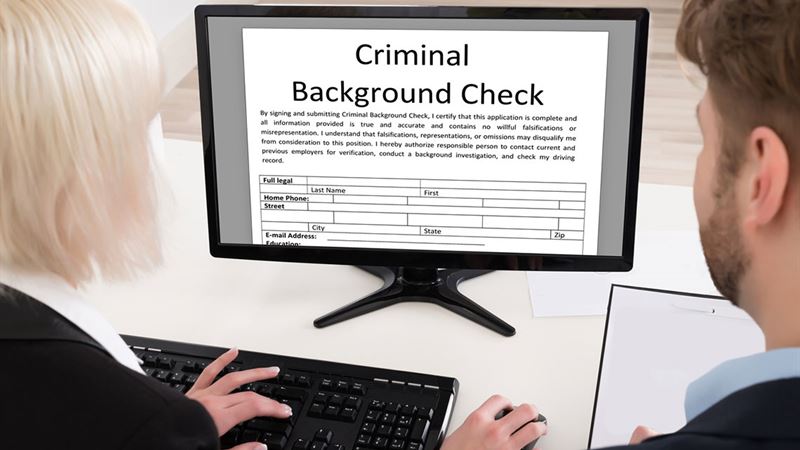
Understanding the elements that constitute effective background screening is vital for streamlining your hiring process and mitigating risks associated with negligent hiring or workplace misconduct. Here is a detailed overview of the core components involved:
- Fundamentals of Executing a Basic Background Check In essence, a fundamental background check covers verification of identity, criminal history, employment history, and educational credentials. An improperly conducted check can lead to delays, overlooked red flags, or wrongful exclusions of qualified candidates. Therefore, establishing a meticulous process is essential for obtaining reliable and comprehensive information while avoiding biases or discrimination. Properly executed basic checks form the foundation of a safe and compliant hiring strategy.
- Maintaining Consistent Background Screening Policies To ensure fairness and legal compliance, organizations must develop standardized screening protocols. A consistent approach minimizes inconsistencies across different departments or roles and reduces the risk of discriminatory practices. It involves clearly defined procedures, checklists, and decision-making criteria that are uniformly applied to all candidates. Such consistency not only streamlines the process but also safeguards the organization from potential legal disputes.
- Legal Framework and Advisory Laws governing background screening vary across jurisdictions. Many states and federal regulations restrict access to certain records, such as juvenile or expunged criminal records, and require obtaining explicit consent from candidates before conducting checks. Engaging legal experts familiar with employment law is crucial to ensure adherence to the Fair Credit Reporting Act (FCRA) and other relevant statutes. Proper legal guidance helps avoid wrongful data collection and usage, thus protecting the organization from potential liabilities.
- Handling Data Accuracy and Errors Despite technological advancements, background screening is susceptible to inaccuracies stemming from data entry issues or outdated records. Organizations should allow candidates an opportunity to review and dispute findings to prevent wrongful exclusion. Implementing procedures for rectification and clarification ensures fair treatment and enhances the credibility of the screening process.
- Excluding Character and Personal Traits from Screening While background checks focus on verifiable data like criminal records and employment history, they do not assess personal qualities such as character, attitude, or work ethic. These attributes are better evaluated during interviews. If a candidate requests insights into findings, organizations should handle such inquiries with transparency and within legal bounds, often seeking legal advice to navigate privacy concerns.
Enhanced Background Verification Techniques
For roles requiring more extensive vetting, organizations may opt for specialized checks that include:- Financial Credit Reports These reports offer insight into a candidate’s financial responsibility, which is especially relevant for roles with fiduciary duties. Credit reports also verify addresses and personal identifiers.
- Driving Record Checks Critical for positions involving transportation or delivery services, these checks assess driving history, traffic violations, and license status to determine suitability for driving responsibilities.
- Military Service Records When military experience is a prerequisite or an asset, verifying service history requires official authorization, ensuring authenticity and compliance with privacy laws.
- Educational Transcripts Confirming academic achievements and qualifications provides employers with a comprehensive profile of candidates’ educational background, critical in roles demanding specific skill sets or certifications.
Obtaining Candidate Consent
For most sensitive checks, including credit and military records, candidates must provide written consent. This legal requirement emphasizes transparency and respects privacy rights. Failure to secure approval may render the background check invalid or lead to candidate exclusion.Selecting the Right Background Screening Partner
Choosing a reputable background screening provider is essential regardless of company size. The right partner ensures compliance, accuracy, and efficiency. Here are key factors to consider:- Accreditation and Industry Standards Verify that the screening company holds accreditation from recognized organizations like the National Association of Professional Background Screeners (NAPBS). Accreditation indicates adherence to ethical guidelines, quality standards, and consumer protection policies.
- Access to Comprehensive Data Ensure the provider has robust resources and access to multiple databases—criminal records, employment histories, court records, and more—to deliver thorough reports.
- Efficiency and Report Clarity Timely results are crucial for maintaining a smooth hiring process. The reports should be clear, accurate, and delivered within reasonable timeframes to prevent delays in onboarding.
- Cost-Effectiveness While costs vary based on the scope of checks, it's vital to balance affordability with quality. Premium services with extensive checks tend to cost more but offer more reliability.
- Customer Support and Service Responsive customer support enhances user experience. Providers should offer multiple communication channels—live chat, phone, email—and dedicated support to address issues promptly.
Are Online Background Checks Reliable and Precise?
For quick, cost-effective screening, online tools can provide initial insights. However, they often do not comply with FCRA and may present inaccuracies due to outdated or incomplete data. These platforms are suitable for preliminary research but should not replace comprehensive background investigations, especially for employment decisions.Cost Range of Background Checks
Typical fees for basic background screening services range from $20 to $80 per check. Expenses increase with additional services such as criminal history, credit reports, or specialized verifications. Employers need to evaluate their needs and budgets when selecting a screening package.Are Free Background Checks Genuine?
While the internet hosts numerous free tools claiming to offer comprehensive reports, many lack depth and accuracy. Public records, social media searches, and basic online inquiries can yield helpful information without cost. However, for legally compliant, detailed, and reliable reports, paid services or professional investigators are recommended. Free methods demand significant time investment and may not include all required data, especially sensitive records.Tools for Conducting Free Background Checks
Basic online searches using search engines, social media platforms, and public databases can uncover relevant information. Public court records, licensing boards, and government archives are valuable sources. Additionally, reverse phone number searches and public record requests can supplement investigation efforts. However, accuracy and completeness cannot be guaranteed, making professional verification unavoidable for critical roles.Industries and Specialty Background Checks
Different sectors might require tailored background screening solutions. For instance, healthcare or childcare positions often necessitate additional checks like drug testing or fingerprinting. Specialized industries such as finance, transportation, or government contracting may have regulatory requirements demanding specific verifications. It is crucial to select a screening provider capable of customizing services to meet industry standards and legal obligations.Distinguishing Federal Background Checks
Federal background investigations are mandated for government roles or federal contractors. These checks are more intensive, covering criminal records, security clearances, credit histories, and verification of legal documents. Similar to standard checks, federal background checks require explicit candidate consent and often involve multiple agencies and official channels. Their scope varies based on the position’s security clearance level and the potential access to sensitive information.While conventional background checks focus on employment eligibility and criminal history, federal screening emphasizes top clearance levels, security risks, and law enforcement records. Roles in federal agencies, law enforcement, or national security settings typically demand comprehensive federal background investigations. Conversely, state and local positions may have different, less rigorous requirements.
A proactive approach to employment screening not only aligns with legal standards but also significantly reduces risks associated with negligent hiring. Implementing structured, accurate, and compliant background checks as part of your hiring policies ensures a safe, productive, and trustworthy workplace environment. Regularly updating your screening procedures and investing in reputable providers will reinforce your organization’s commitment to integrity and safety.