
Effective Strategies to Manage Excessive Sweaty Hands Naturally and Medically
Discover comprehensive strategies to manage excessive hand sweating, from practical daily habits and natural remedies to advanced medical treatments. Learn how to effectively reduce sweat, improve confidence, and enhance your quality of life with expert guidance and lifestyle tips that work wonders for palmar hyperhidrosis.
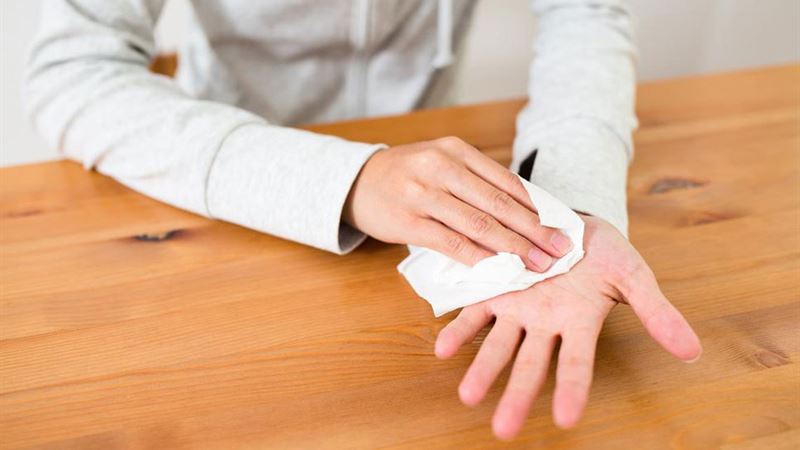
Excessive sweating of the palms can be particularly inconvenient and embarrassing. It may cause difficulties in gripping objects, writing, or even shaking hands, leading to social anxiety and reduced confidence. Fortunately, a combination of lifestyle modifications, home remedies, and medical interventions can make a significant difference. Below, we delve into a comprehensive guide to managing sweaty hands, including preventative tips, natural remedies, and when to seek professional help.
Understanding the Causes of Excessive Hand Sweating
To effectively control and treat sweaty palms, it's crucial to understand what triggers this condition. Palmar hyperhidrosis can be primary, meaning it occurs without an apparent cause, or secondary, resulting from underlying health issues such as hormonal imbalances, infections, medication side effects, or other medical conditions like thyroid problems or diabetes.
Primary hyperhidrosis typically begins in childhood or adolescence and is often localized to specific areas, predominantly the hands and feet. The exact cause remains unknown; however, it is believed to involve overactivity of the sympathetic nerves responsible for sweating. Stress, anxiety, heat, and certain foods can exacerbate the problem by stimulating the sympathetic nervous system further.
Practical Daily Tips to Reduce Hand Sweating
Managing sweaty hands involves both immediate measures to control sweat during the day and long-term strategies to prevent excessive sweating. Here are some effective tips to help keep your palms dry and comfortable:
- Maintain Proper Hand Hygiene: Regularly washing your hands is vital, especially before and after public interactions or touching objects. Use lukewarm water and avoid excessive use of harsh soaps, as they can strip natural oils and cause dryness or irritation.
- Use Absorbent Materials: Carry tissues or soft cloths to wipe sweat off your palms as needed. Portable hand sanitizers equipped with drying agents can also assist in controlling moisture during busy hours.
- Apply Talcum Powder: Light dusting of talcum or baby powder can absorb excess moisture effectively. Carry a small packet for convenience, especially when attending meetings or social events.
- Utilize Antiperspirants: Over-the-counter antiperspirant sprays formulated for hands can help reduce sweating by blocking sweat gland activity. Ensure they are safe for skin contact and apply them at night for better absorption.
- Wear Breathable Clothing and Gloves: Opt for moisture-wicking fabrics that allow air circulation. When necessary, wearing cotton gloves can help absorb sweat and prevent embarrassment during important occasions.
- Limit Caffeine and Spicy Foods: These can stimulate the sympathetic nervous system, leading to increased sweating. Moderating intake can help reduce episodes of sweaty palms.
- Practice Relaxation Techniques: Since stress triggers sweating, engaging in regular relaxation practices like deep breathing, meditation, or yoga can keep nervous system responses in check.
Natural Remedies and Home Solutions
Several natural methods can assist in managing sweaty hands without resorting to medications. These options are simple, cost-effective, and easy to incorporate into daily life.
- Apple Cider Vinegar: Applying a small amount of raw apple cider vinegar to your palms acts as an astringent, helping to tighten pores and reduce sweating. Dab a cotton ball in vinegar and leave it to dry naturally before hand contact.
- Tea Tree Oil: Known for its antimicrobial properties, tea tree oil can be diluted with water and applied to the palms. It helps in controlling bacteria that thrive in moist environments, indirectly reducing sweat-related discomfort.
- Witch Hazel: An herbal astringent, witch hazel can be used as a toner on your hands to reduce moisture and soothe irritated skin.
- Cool Compresses: Applying a cold cloth or ice pack wrapped in a cloth to the palms for a few minutes can constrict blood vessels and temporarily reduce sweat production.
- Diet and Hydration: Staying well-hydrated and consuming cooling, light foods can help regulate body temperature and decrease the likelihood of excessive sweating.
Medical and Surgical Treatment Options
If lifestyle modifications and natural remedies do not provide sufficient relief, medical interventions might be necessary. Consulting a healthcare professional specializing in dermatology or neurology can guide you toward appropriate treatments tailored to your condition severity.
- Botox Injections: Botulinum toxin injections are FDA-approved for hyperhidrosis. They work by blocking nerve signals responsible for activating sweat glands. The effects typically last 6-12 months, making it a popular choice for long-term relief.
- Prescription Anticholinergic Medications: Certain medications can reduce sweating systemically. However, they may have side effects such as dry mouth, blurred vision, or urinary retention, so medical supervision is essential.
- Iontophoresis: This procedure involves passing a mild electrical current through the skin of the hands submerged in water. It’s effective in reducing excessive sweating and is generally safe for regular use.
- Surgical Options: In severe cases, procedures like endoscopic thoracic sympathetic block (ETS) can disrupt nerve pathways responsible for sweat production. This option is usually considered after other treatments have failed due to potential risks and side effects.
When to Seek Professional Help
If your sweaty hands significantly interfere with daily activities, cause social embarrassment, or are associated with other symptoms like chest pain, dizziness, or excessive sweating in other parts of the body, it’s crucial to consult a healthcare provider. A detailed diagnosis can determine if underlying health issues are contributing and help formulate an effective treatment plan.
Living Confidently with Manageable Sweaty Hands
While palmar hyperhidrosis can be a challenging condition, combining proper hygiene, lifestyle adjustments, natural remedies, and professional treatment options offers a comprehensive approach to management. Building awareness and seeking timely medical advice can help regain confidence and improve quality of life. Remember, you are not alone in this struggle, and effective solutions are available to help you control excessive hand sweating.