
Effective Dietary Strategies to Manage Excessive Sweating Naturally
Discover natural and effective ways to control excessive sweating through dietary choices. Incorporate hydrating fruits, calcium-rich foods, green tea, magnesium sources, and healthy fats like olive oil to reduce sweat episodes. Maintain proper hydration, and add vitamin B-rich foods to improve metabolism and nerve function. Learn about medical options like Botox as a supplementary treatment. These strategies promote comfort, health, and confidence by helping manage hyperhidrosis naturally and effectively.
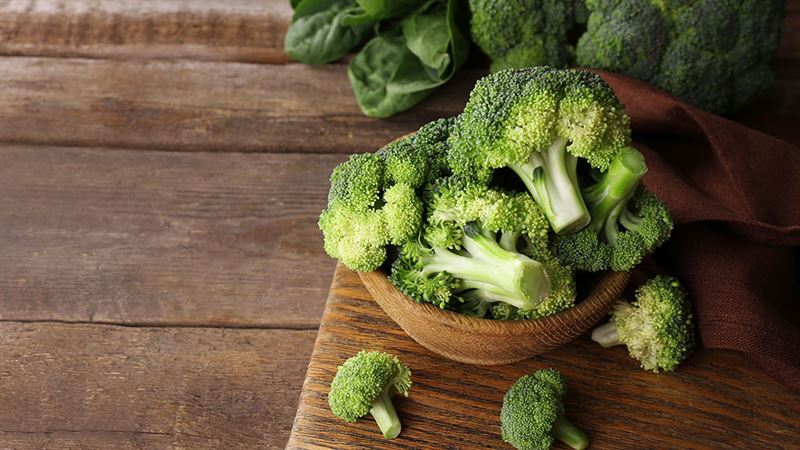
Incorporating Hydrating Fruits and Vegetables
Maintaining proper hydration is vital in controlling overheating and sweating. Consuming fruits rich in water content can significantly help keep your body cool. Watermelon, with its high water percentage, is excellent for hydration and cooling the body. Apples and oranges provide hydration along with essential vitamins that support immune health. Peaches, pineapples, and strawberries also contribute to staying refreshed. Leafy greens such as spinach, lettuce, and kale are not only nutrient-dense but also contain high water levels, which aid in reducing body temperature and unnecessary sweating.
Foods Rich in Calcium to Regulate Body Temperature
Calcium plays a crucial role in regulating body heat and maintaining stability in body temperature. Adequate calcium intake can help reduce episodes of excessive sweating. Incorporate low-fat dairy products like milk, cheese, and yogurt into your meals. Dark leafy greens such as collard greens and Swiss chard are excellent plant-based sources. For those watching fat intake due to health conditions, low-fat or fat-free dairy options are ideal. Higher fat foods can sometimes increase metabolic activity, causing more heat and sweating, so choosing low-fat options can be beneficial for hyperhidrosis management.
Enjoy Calming Beverages like Green Tea
Decaffeinated green tea is known for its calming properties and cooling effects. Replacing caffeinated drinks with green tea can help soothe nervous tensions that often trigger sweating. Green tea contains antioxidants and compounds that promote relaxation and reduce stress levels. Regular consumption can support overall skin health and help keep your body temperature in check. It can be a comforting, healthful alternative to coffee or sugary beverages, contributing to better hydration and reduced sweating episodes.
Magnesium-Rich Foods for Sweat Control
Magnesium is an essential mineral that supports nerve function, immune health, and metabolic processes. A deficiency in magnesium can lead to increased sweating and stress responses. Incorporate magnesium-rich foods like almonds, cashews, pumpkin seeds, soybeans, and dark chocolate into your diet. Spinach is also a powerful source of magnesium. These foods help stabilize nerves and regulate sweat production, providing relief for those experiencing hyperhidrosis. Additionally, magnesium enhances energy production and can improve sleep, which may further reduce excessive sweating caused by stress and fatigue.
Oleic Acid and Healthy Fats—Olive Oil as an Anti-Sweat Food
Olive oil is a potent source of healthy monounsaturated fats and antioxidants. It aids in reducing inflammation and supports metabolic health, which can indirectly help control excessive sweating. Consuming olive oil instead of saturated fats can improve digestion and boost energy efficiency, potentially decreasing the body's heat production. Use olive oil as a dressing or in cooking to leverage its health benefits. Its nutrient-rich profile makes it an excellent addition to a diet aimed at managing hyperhidrosis naturally.
Prioritize Hydration for Body Temperature Regulation
Water is essential in controlling body heat and preventing overheating. Staying well-hydrated helps maintain optimal body temperature and reduces the likelihood of sweating episodes. It’s advisable to carry a water bottle during outings and keep a glass at work or home. While traditional advice suggests drinking eight glasses daily, this amount varies based on factors like activity level, climate, and individual physiology. Listen to your body's thirst cues and ensure consistent hydration throughout the day to support overall health and sweat management.
Vitamin B Sources to Boost Metabolism and Reduce Sweating
Foods rich in vitamin B complex are instrumental in supporting efficient metabolism and nerve function. Incorporate salmon, lean beef, eggs, and leafy green vegetables like spinach and kale into your diet. These foods help improve energy production and digestion, which can reduce stress-induced sweating. A sluggish metabolism might contribute to increased body heat and sweat, so enhancing metabolic health through diet can bring noticeable relief. Ensuring sufficient vitamin B intake also bolsters nervous system health, potentially diminishing the nervous triggers that cause sweating episodes.
In addition to dietary modifications, some individuals explore medical treatments such as Botox injections, which temporarily block the nerves responsible for activating sweat glands. Approved by the FDA for underarm hyperhidrosis, Botox can significantly reduce sweating, though it is costly and not always covered by insurance. Consulting with a healthcare professional is essential to determine if this treatment aligns with your condition. Combining medical interventions with dietary changes can provide a comprehensive approach to managing excessive sweating effectively and sustainably.