
Ultimate Guide to Finding Top Deals on Quality Tires
Discover comprehensive tips for buying quality tires at the best prices. Learn to inspect tire health, identify when replacements are necessary, and leverage seasonal deals and online discounts. Prioritize safety and save money with expert advice on tire maintenance and shopping strategies. Perfect for responsible drivers looking to enhance vehicle performance and safety while minimizing expenses, this guide ensures you make informed decisions for your tire needs throughout the year.
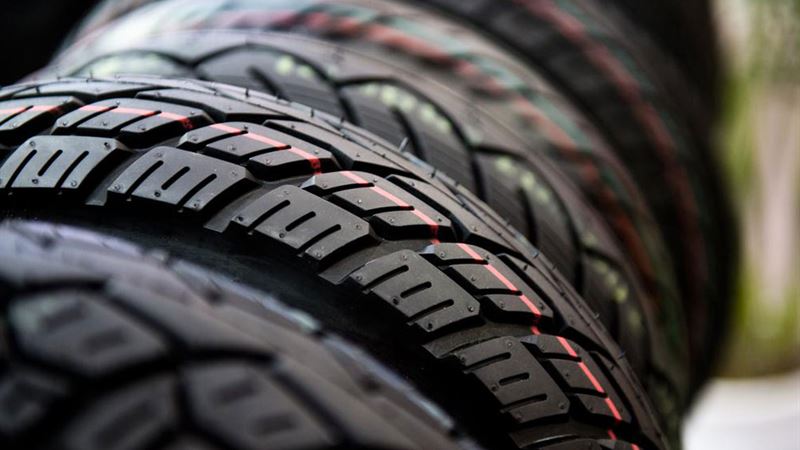
Many drivers underestimate the significance of proper tire maintenance, often neglecting to monitor tire tread depth or failing to recognize early signs of tire deterioration. Worn-out tires not only compromise safety but also lead to increased fuel consumption, discomfort during rides, and higher repair costs due to frequent flats or blowouts. On the other hand, investing in good-quality tires and shopping smartly can offer long-term savings and improved driving experience.
Knowing when to replace your tires is essential to ensure your safety and avoid unforeseen accidents. The process can be straightforward if you follow simple inspection methods regularly. Generally, it’s recommended to inspect your tires at least once a month, especially before long trips or during seasonal changes. Two main techniques can help you evaluate tire condition effectively:
- Assess the Tread Depth
The tread depth is critical because it provides the necessary grip and traction, especially on wet or slippery roads. A simple way to check this is by using a coin — the Penny Test. Insert a penny into the tire's tread with Lincoln's head facing downward. If you can see the top of Lincoln’s head, it indicates the tread has worn down below safe levels, and it’s time to replace the tires.
- Assess the Tread Depth
- Examine Tread Wear Indicators
Many tires are equipped with raised sections between the treads, known as wear indicators. When the tread has worn down level with these indicators, the tire has reached the end of its service life and must be replaced. Regular visual inspections can help catch this early, preventing dangerous driving conditions.
- Examine Tread Wear Indicators
If your tires meet either or both of these conditions, it is essential to consider purchasing new tires promptly.
Replacing tires is an unavoidable expense, but there are several ways to reduce costs without compromising safety. Smart shopping, negotiation, and timing can make a significant difference in your overall expenditure.
- Negotiate for Better Deals
Many auto shops and tire retailers are willing to negotiate prices. Don’t hesitate to ask for discounts, especially if you’re buying multiple tires or purchasing regularly from the supplier. Fluctuating prices and promotional offers make it worth attempting to haggle for a lower, more favorable price.
- Negotiate for Better Deals
- Leverage Online Shopping
The internet has transformed tire shopping by offering extensive discounts, reviews, and comparative analysis tools. Online stores often provide better prices than local dealerships, especially during seasonal sales or promotional events. Always compare prices across multiple platforms and check for shipping costs or additional fees to ensure you get the best deal. Don’t forget to explore local classifieds and marketplace listings for potential bargains.
- Leverage Online Shopping
Timing your purchase around seasonal sales can save you a significant amount. Major tire manufacturers like Michelin, Firestone, Hercules, Goodyear, Continental, Pirelli, Mickey Thompson, and Toyo regularly offer discounts during specific times of the year. These promotions are designed to boost sales during off-peak seasons and attract customers seeking quality tires at reduced prices. Typically, during winter or rainy seasons, prices on certain types of tires drop considerably, making it a smart time to buy.
Remember, regardless of how good a deal looks, your safety should always come first. Investing in high-quality, reliable tires ensures better handling, shorter braking distances, and a safer driving experience. Regular maintenance, proper inflation, and timely replacements are essential components of responsible vehicle ownership. Staying informed about market deals, seasonal promotions, and negotiation tactics empowers you to make cost-effective choices that keep you and your loved ones safe on the road.