
Comprehensive Guide to Proper Tire Care and Maintenance for Safer Driving
This comprehensive guide covers all essential aspects of tire maintenance, including proper pressure, rotation, balancing, alignment, and replacement. Regular tire care ensures safety, prolongs tire lifespan, and improves vehicle handling. Learn practical tips and recommended schedules to keep your tires in optimal condition and enjoy safer driving experiences.
Maintaining your vehicle's tires is a crucial aspect of overall vehicle safety and performance. Correct tire pressure, regular rotations, proper alignment, and timely replacements not only extend the lifespan of your tires but also enhance handling, improve fuel efficiency, and ensure driver safety under various road conditions. This extensive guide aims to cover all essential aspects of tire maintenance, from understanding the recommended pressure levels to best practices for rotation and alignment, and how to identify when it's time for new tires.
Proper tire maintenance begins with understanding how to find the correct tire pressure for your vehicle. Most manufacturers provide recommended pressure levels in the vehicle’s owner’s manual, on a label located inside the driver’s door, or within the fuel door. Maintaining the proper pressure is vital because under-inflated tires can lead to increased tire wear, reduced fuel efficiency, and compromised handling. Over-inflated tires, on the other hand, may cause a rough ride and uneven tire wear. Regularly checking and adjusting tire pressure ensures optimal contact with the road, resulting in improved safety and fuel economy.
How to Check and Maintain Proper Tire Pressure
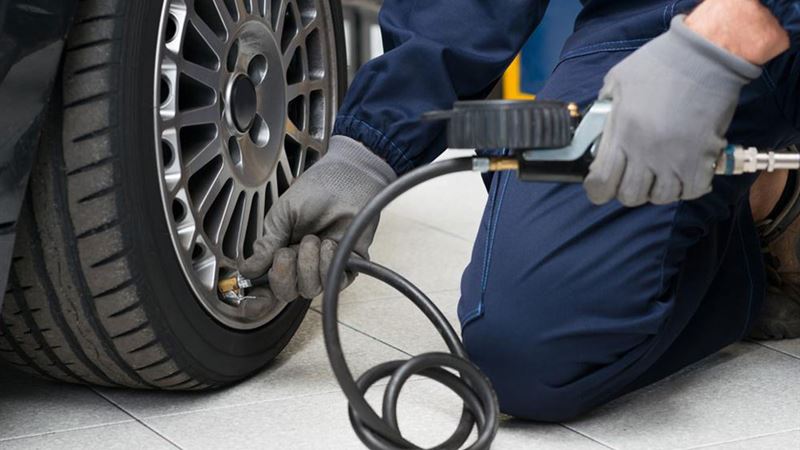
Finding the right tire pressure is straightforward. Use a reliable tire pressure gauge to check the pressure when the tires are cold, preferably before driving or after at least three hours of rest. Inflate or deflate the tires to match the recommended PSI, which can vary depending on the vehicle. Remember, tire pressure can fluctuate with temperature changes, so it’s good practice to check regularly, especially before long trips or adverse weather conditions.
Incorrect tire pressure not only affects vehicle handling but also leads to uneven wear patterns. Under-inflation causes tires to wear on the outer edges, increasing the risk of blowouts. Over-inflation results in wear along the center tread, reducing overall traction and tire longevity. Maintaining the correct pressure optimizes the contact patch with the road, providing better grip, safer handling, and prolonged tire life.
Routine Tire Rotation to Maximize Tire Life
Strategic tire rotation is one of the most effective ways to prolong your tires' lifespan and ensure even wear across all tires. Most vehicle manufacturers suggest rotating tires every 4,000 to 6,000 miles, but always refer to your owner’s manual for specific recommendations. Rotations help prevent uneven wear caused by different weight distributions and driving patterns, especially since front tires typically endure more stress due to steering and braking forces.
The four most common tire rotation patterns include cross rotation, straight rotation, five-tire rotation, and specialized patterns for four-wheel-drive vehicles. Cross rotation involves swapping front left with rear right and front right with rear left, which promotes even wear across all tires. Straight rotation simply moves the tires from front to back in the same order, suitable for certain vehicles. For vehicles with a spare or five tires, different rotation schemes are used to balance out wear more effectively.
Implementing regular rotation schedules not only extends tire life but also improves handling and safety. Unevenly worn tires can cause vibrations and reduce the effectiveness of braking and steering. Consistent rotation maintains balanced traction, enhances ride comfort, and protects your investment in tires over time.
Wheel Balancing and Alignment for Optimal Performance
Wheel balance and alignment are critical to maintaining proper vehicle handling and tire longevity. Wheel balancing involves equalizing the weight distribution around the tire and wheel assembly. Proper balancing prevents uneven tread wear and reduces vibrations, particularly noticeable at higher speeds, enhancing both comfort and safety.
Alignment refers to adjusting the angles of the wheels to the manufacturer’s specifications. Proper alignment ensures your tires make optimal contact with the road, preventing irregular wear patterns and compensating for road impacts or potholes that may have shifted suspension components. Regular alignment checks can help detect issues early, which is especially important for maintaining precise handling and steering response.
Both balancing and alignment contribute significantly to your vehicle’s performance. Misalignment can cause your vehicle to drift or pull to one side, while unbalanced wheels can produce vibrations and uneven tire wear. Ensuring your wheels are correctly aligned and balanced not only enhances safety but also conserves your tires and reduces operating costs.
When and How to Replace Your Tires
Knowing when to replace your tires is essential for safe driving. The most common indicators include tread wear nearing the minimum legal limit (usually 2/32 of an inch), visible damage, cracking, bulges, or irregular tread patterns. Regularly inspecting your tires allows you to catch issues before they become serious hazards.
It’s recommended to replace tires in pairs or sets to ensure uniformity in traction and handling characteristics. When installing new tires, most experts advise placing them on the rear axle for better stability, especially in wet conditions. Moving the newer tires to the rear helps prevent oversteering or fishtailing, which is particularly crucial for front-wheel and all-wheel-drive vehicles.
Always keep a spare tire readily available and maintain proper inflation of the spare. A flat or damaged spare cannot be effective if it's not properly inflated or in good condition. Regularly check the spare’s pressure and condition as part of your routine vehicle maintenance.
Finally, remember that tire replacement isn’t just about safety — it also impacts fuel efficiency, handling, and comfort. Investing in quality tires and ensuring timely replacement makes a significant difference in your overall driving experience.
In conclusion, diligent tire maintenance involves regularly checking pressure, routine rotations, proper alignment, and timely replacements. These practices extend tire life, improve vehicle safety, and enhance driving confidence. Stay proactive with your tire care routine, and enjoy safer, more efficient journeys every time you hit the road!