Gastric sleeve surgery is a minimally invasive weight loss procedure that helps individuals with severe obesity achieve significant health improvements. This comprehensive guide covers the entire process, benefits, costs, and essential post-surgery care, ensuring patients are well-informed about what to expect before, during, and after the procedure for successful weight management and overall well-being.
For many individuals battling severe obesity, traditional weight loss methods like dieting and exercise may not suffice, leaving surgical intervention as a viable solution. Gastric sleeve surgery, also known as sleeve gastrectomy, has rapidly gained popularity due to its safety profile and effectiveness. Eligibility criteria typically include a body mass index (BMI) above a certain threshold, generally 40 or higher, or a BMI of 35 with associated health issues such as type 2 diabetes or cardiovascular disease. However, candidates must also demonstrate a history of unsuccessful attempts with lifestyle modifications, including consistent exercise routines, balanced diets, and non-invasive medical treatments prescribed by healthcare providers.
Before proceeding with the surgery, candidates undergo thorough medical evaluations, including blood tests, imaging studies, nutritional assessments, and psychological evaluations. These steps ensure they are physically and mentally prepared for the procedure and subsequent lifestyle changes. A multidisciplinary team comprising surgeons, dietitians, mental health counselors, and primary care providers collaborates to determine the patient's suitability for gastric sleeve surgery, emphasizing comprehensive care and long-term success.
Step-by-Step Procedure of Gastric Sleeve Surgery
Once deemed eligible, patients are scheduled for the procedure, which is typically performed under general anesthesia. Leading up to the surgery, patients are advised to adhere to a liquid diet for approximately two weeks to minimize risks and facilitate recovery. On the day of surgery, patients are required to fast for about 12 hours to ensure an empty stomach, enhancing safety during anesthesia.
The surgical process involves several key steps:
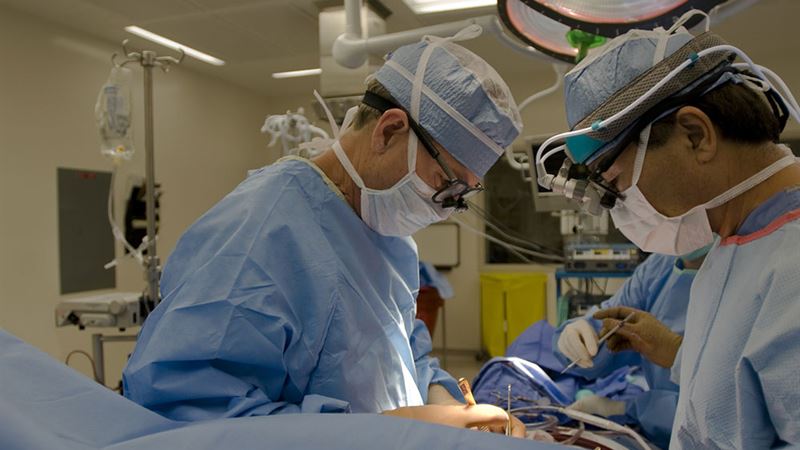
- The surgeon makes small incisions in the abdomen, usually four to five, to minimize tissue trauma. This technique is called laparoscopic surgery, which offers benefits like reduced pain, quicker recovery, and smaller scars. A laparoscope—a slender tube equipped with a camera—is inserted through one of the incisions, providing surgeons with a real-time view of the internal organs on a monitor.
- Using specialized surgical instruments introduced through the small incisions, the surgeon removes approximately 70-80% of the stomach's outer curvature. This excision converts the stomach into a narrow, elongated tube or sleeve, roughly the size and shape of a banana. Importantly, the part of the stomach responsible for producing the hunger hormone, ghrelin, is also excised, which can help reduce appetite.
- After resecting the excess stomach tissue, the remaining portion is carefully sutured or stapled shut, ensuring a secure closure to prevent leaks. The small incisions are then closed with sutures or surgical glue. The entire procedure usually lasts between 60 and 90 minutes, depending on individual circumstances.
- Post-operatively, the patient is monitored in a recovery room for several hours, with hospital stays typically lasting 1 to 2 days. During this period, healthcare providers check for signs of complications such as bleeding, infection, or leaks. Pain management and support for early mobilization are prioritized to facilitate smooth recovery.
Expected Outcomes and Benefits
The primary goal of gastric sleeve surgery is to promote significant weight loss by restricting food intake and altering hunger signals. Patients often report feeling full after consuming smaller meals and experience fewer cravings for high-calorie, carbohydrate-rich foods. Beyond weight reduction, this surgical intervention has shown remarkable improvements in related health conditions, including high blood pressure, insulin resistance, elevated cholesterol levels, fatty liver disease, joint discomfort, and cardiac issues. Notably, gastric sleeve surgery is less complex than other bariatric procedures like gastric bypass, with fewer complications and shorter recovery times. The procedure does not involve rerouting or disconnecting parts of the digestive system, which contributes to its safety profile.
Financial Considerations and Cost Breakdown
The overall expense of gastric sleeve surgery varies widely based on several factors. On average, the cost ranges from $17,000 to $26,000, with an average around $19,000. The total amount can reach up to $33,500 in some instances, depending on the geographic location, the reputation of the surgical facility, surgeon expertise, anesthesia fees, preoperative and postoperative care requirements, and hospital stay duration. Insurance coverage varies; many insurers consider the procedure medically necessary if obesity-related health risks are evident, which can significantly reduce out-of-pocket costs.
Postoperative Care and Lifestyle Modifications
Following surgery, patients must commit to ongoing care and lifestyle changes to sustain weight loss and enhance overall health. Regular follow-up appointments are essential in the initial months to monitor healing progress, nutritional status, and hormone levels. Blood tests may be performed periodically to assess iron, calcium, vitamin D, B12, and other crucial nutrients, as deficiencies can occur if supplementation is not properly managed.
Dietary adjustments are vital post-surgery. Patients transition from clear liquids in the first week to pureed foods, eventually progressing to soft foods and then solid meals over several weeks. Eating smaller, more frequent meals while avoiding high-calorie, sugary, or fatty foods helps maintain weight loss. Adequate intake of vitamins and minerals through supplements prescribed by healthcare providers helps prevent deficiencies and associated complications.
Moreover, psychological support and behavioral counseling can be invaluable, helping patients adapt to new eating habits and address emotional challenges related to weight loss. Physical activity routines should also be adopted gradually, with medical advice ensuring exercises are safe and effective.
To find the best surgeon or medical center, prospective patients often search online using terms like “gastric sleeve surgery specialists near me.” Reviews, credentials, and patient testimonials can guide selection, ensuring a trusted provider manages the procedure. Those considering surgical weight loss should understand all aspects involved, from preoperative preparation to lifelong lifestyle adjustments, for optimal results and enhanced quality of life.
