
Comprehensive Guide to Managing Dupuytren's Contracture: Treatment Strategies and Options
This comprehensive guide explores various treatment options for Dupuytren's contracture, from conservative strategies like observation and exercises to advanced surgical procedures. It emphasizes personalized treatment plans to effectively manage symptoms, slow progression, and improve hand function, ensuring patients receive the most suitable care tailored to their needs.
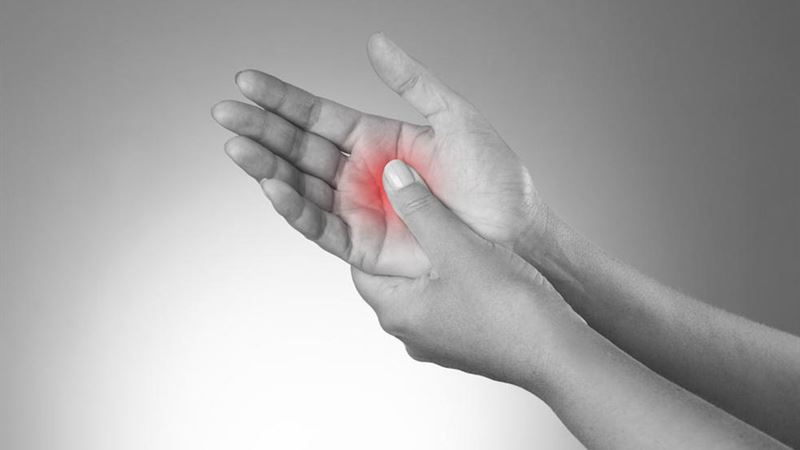
Dupuytren's contracture, commonly known as Dupuytren's disease, is a progressive hand condition characterized by the thickening and tightening of tissue under the palm and fingers. This results in the fingers curling inward, which can significantly impair hand function and daily activities. While conventional treatments often include medication and surgical procedures, there are numerous alternative and adjunct therapies aimed at managing symptoms, slowing progression, or providing relief. Understanding these options allows patients and healthcare providers to tailor a comprehensive management plan suitable for each individual.
To effectively address Dupuytren's disease, it is essential to grasp the underlying causes and disease progression. Although the exact cause remains unknown, factors such as genetic predisposition, age, gender, and environmental influences play roles in its development. In some cases, the condition progresses slowly, and notable deformity may develop over years, while in other cases, it can advance more rapidly.
Observation and Watchful Waiting
In the early stages or mild forms of Dupuytren's contracture, a conservative approach known as observation or watchful waiting is often recommended. This involves monitoring the condition periodically without immediate intervention, especially when hand function is unimpaired. This strategy helps determine if and when the disease progresses to a point where active treatment becomes necessary. During this period, patients are advised to avoid activities that may exacerbate symptoms and to perform hand exercises that can maintain mobility and flexibility.
Hand and Finger Exercises
Engaging in regular stretching and strengthening exercises can be beneficial in managing Dupuytren's disease. These exercises aim to improve hand flexibility, prevent contractures from worsening, and alleviate discomfort. Specific stretching routines target the fingers and palm, helping to counteract tissue tightening. Medical professionals often recommend gentle manual therapy and stretching exercises as part of a conservative management plan. Consistency in performing these exercises can slow disease progression and maintain hand functionality for longer periods.
Medications and Injections
While there are no medications specifically approved to reverse Dupuytren's contracture, certain pharmacological treatments can alleviate symptoms or temporarily improve hand mobility. Enzymatic injections, such as collagenase clostridium histolyticum, are designed to break down the excess collagen fibers that cause tissue thickening. Multiple injections are usually administered over a course of treatment, typically every other day or as prescribed by a specialist. These injections facilitate the weakening and loosening of the cord-like tissues, making manual extension easier. Besides enzyme injections, corticosteroid injections can sometimes reduce inflammation and discomfort in early or mild cases.
Minimally Invasive Procedures
Advances in medical technology have led to the development of minimally invasive procedures that offer effective relief with minimal discomfort and shorter recovery times. One such procedure is needle aponeurotomy, where a fine needle is used to cut and release the thickened cord responsible for finger deformity. This outpatient procedure can be performed under local anesthesia, and patients can often resume normal activities shortly afterward. The procedure is suitable for patients with moderate contractures and serves as an alternative to more extensive surgery.
Surgical and Salvage Interventions
For advanced cases where less invasive methods are ineffective, surgery remains the definitive treatment option. Traditional surgical options include fasciectomy, where the thickened tissue is excised to restore finger extension. In situations where the disease has caused severe deformity or is recurrent, more extensive surgeries may be necessary.
Salvage treatments are considered in complex or refractory cases. These may include joint fusion, which stabilizes the joint by permanently fixing it in a functional position—albeit at the cost of joint mobility. External fixation devices can help stretch contracted tissues temporarily but are associated with significant discomfort and require meticulous postoperative care. In extreme cases of severe deformity or unmanageable pain, amputation might be considered as a last resort to improve quality of life when all other options have failed.
In conclusion, managing Dupuytren's contracture involves a spectrum of treatments—ranging from conservative observation and exercises to advanced surgical interventions. The choice of treatment depends on the severity of the condition, patient preferences, overall health, and lifestyle considerations. Early detection and intervention can significantly improve outcomes, reduce deformity, and restore hand function. Consulting with a hand specialist or orthopedic surgeon experienced in Dupuytren's disease is essential to develop an individualized treatment plan that optimally balances efficacy, safety, and quality of life.