
Comprehensive Guide to Neuromuscular Disorders: Causes, Symptoms, Diagnosis, and Treatments
Explore an in-depth overview of neuromuscular disorders, including their causes, symptoms, diagnostic methods, and treatment options. Early diagnosis and management are vital to improving patient quality of life and preventing severe complications. Learn about common types like ALS, muscular dystrophy, and myasthenia gravis, alongside diagnostic procedures and current therapies. This comprehensive guide helps patients, caregivers, and healthcare professionals understand the complex nature of these diseases and how to approach effective treatment strategies for better health outcomes.
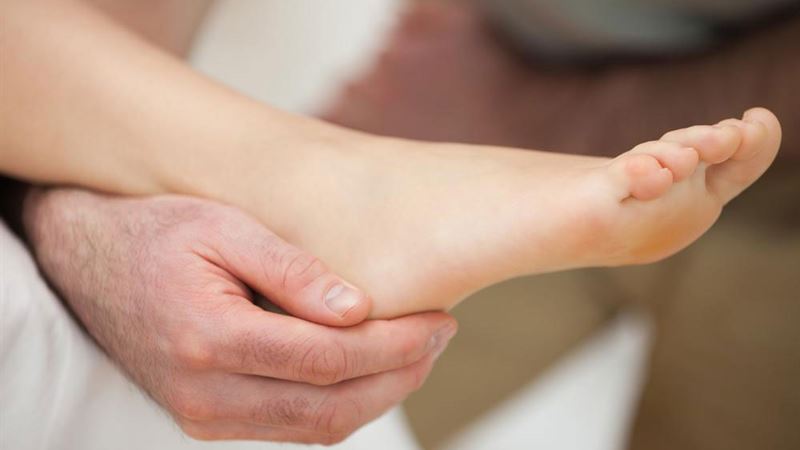
Neuromuscular disorders encompass a wide range of conditions that impair the functioning of muscles and the nerves controlling them. If left untreated, these conditions can lead to severe health complications, including compromised respiratory function and heart issues. Many neuromuscular diseases cause progressive muscle weakness and fatigue, which tend to worsen over time, severely impacting quality of life. Early diagnosis and intervention are crucial to managing symptoms effectively and improving long-term health outcomes.
These disorders often present with subtle signs initially, especially in children, making early detection challenging. Common symptoms shared across various neuromuscular conditions include muscle atrophy, coordination difficulties, breathing problems, drooping eyelids (ptosis), numbness, tingling sensations, and weakness in specific muscle groups. Because of the diverse manifestations, proper diagnosis requires a thorough understanding of each condition’s unique features.
The origins of neuromuscular diseases are complex, involving multiple factors such as autoimmune responses, genetic mutations, environmental influences, and nutritional deficiencies. Autoimmune conditions, where the body's immune system mistakenly attacks nerve or muscle tissue, are prominent contributors. Hereditary factors play a significant role in many cases, with familial genetic mutations passing the disease traits from one generation to another. Additionally, environmental pollutants, toxins, and exposure to chemicals can precipitate or exacerbate these conditions. Nutritional deficiencies, particularly of vitamin B12, may also lead to nerve damage resembling neuromuscular disorders.
Understanding the primary types of neuromuscular disorders is essential for accurate diagnosis and effective treatment planning. Some of the most prevalent neuromuscular diseases include Amyotrophic Lateral Sclerosis (ALS), Charcot-Marie-Tooth disease, muscular dystrophies such as Duchenne and Becker, spinal muscular atrophy, inflammatory myopathies like polymyositis and dermatomyositis, peripheral neuropathies, multiple sclerosis, myasthenia gravis, and various forms of myopathy.
Diagnosis of neuromuscular conditions involves a combination of clinical evaluation and specialized tests. Physicians typically perform comprehensive physical examinations to assess muscle strength, reflexes, and nerve coordination. Medical history, including familial patterns, is crucial in narrowing down potential diagnoses. Advanced diagnostic tests often include blood analyses to detect elevated enzyme levels indicative of muscle damage, magnetic resonance imaging (MRI) scans of the spinal cord and brain, cerebrospinal fluid analysis, electromyography (EMG), nerve conduction studies, and muscle biopsies. These assessments help to determine the specific type of disorder, enabling personalized treatment approaches.
While a complete cure for most neuromuscular disorders remains elusive, medical management aims primarily at alleviating symptoms, slowing disease progression, and improving life quality. Treatment strategies include physical and occupational therapy to maintain muscle strength and mobility, pharmacological interventions such as corticosteroids and immunosuppressants for inflammatory conditions, and supportive measures like respiratory therapy and nutritional support. Emerging therapies and clinical trials are continually expanding options, promising hope for future breakthroughs. In many cases, multidisciplinary care involving neurologists, physiotherapists, speech therapists, and nutritionists is crucial for optimal disease management.
In conclusion, neuromuscular disorders are complex conditions that require proactive diagnosis and comprehensive management. Advances in medical research and diagnostic tools facilitate timely identification and tailored treatments, profoundly impacting patient outcomes. Patients and caregivers should seek specialized medical advice at the onset of symptoms and remain informed about ongoing therapeutic developments to enhance their quality of life and slow disease progression.