
Comprehensive Guide to Recognizing and Managing Pulmonary Hypertension Symptoms
Pulmonary hypertension is a progressive condition with subtle early symptoms like breathlessness, swelling, and fatigue. This comprehensive guide covers its key signs, diagnostic methods, and treatment options, emphasizing early detection and personalized care to improve quality of life and prevent severe complications. Understanding and recognizing these symptoms can lead to timely medical intervention, vital for managing this serious and potentially life-threatening disease effectively.
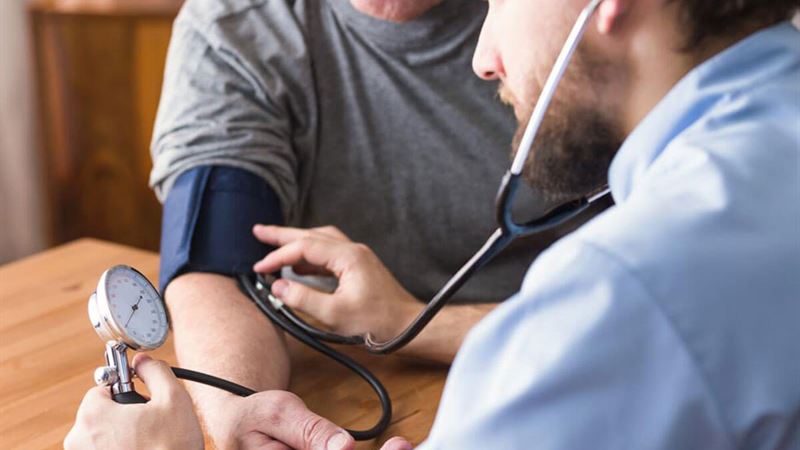
While there is currently no definitive cure for pulmonary hypertension, various treatment options are available that can effectively manage symptoms and improve patient quality of life. These treatments aim to reduce the workload on the heart, lower blood pressure within pulmonary arteries, and prevent disease progression. Treatments include medications, lifestyle modifications, and sometimes surgical interventions, depending on the severity and underlying cause of the condition. Early diagnosis and tailored treatment plans are vital in controlling symptoms and preventing serious complications such as right-sided heart failure.
Diagnosing pulmonary hypertension poses a challenge, especially in its initial stages, as routine physical examinations often fail to detect it. Typically, symptoms mimic other respiratory and cardiac disorders, which can lead to misdiagnosis or delayed diagnosis. Specialized tests are essential in confirming the condition, including Doppler echocardiography, chest X-ray, pulmonary function tests, and blood analysis. These diagnostic tools help in assessing lung function, measuring pulmonary artery pressures, and ruling out other causes of similar symptoms. Early and accurate diagnosis is crucial for effective management and to prevent irreversible damage.
Once pulmonary hypertension is diagnosed, a comprehensive treatment plan must be established. Regular follow-up appointments are necessary to monitor disease progression and response to therapy. If a particular medication proves ineffective, healthcare providers may adjust the treatment regimen. Common medications prescribed include vasodilators, which relax blood vessel muscles; anticoagulants, to reduce blood clot risks; diuretics, to manage fluid retention; and high-dose calcium channel blockers. In some cases, advanced treatments like prostacyclin analogs or endothelin receptor antagonists are employed. Lifestyle changes, such as low salt diet, moderate exercise, and avoiding high altitudes, complement medical therapy.
Key Symptoms of Pulmonary Hypertension
Recognizing the symptoms early can significantly impact the management and prognosis of pulmonary hypertension. While symptoms can vary among individuals, some are more prevalent and should prompt further medical investigation.
- Breathlessness (Dyspnea)
One of the earliest and most common signs of pulmonary hypertension is difficulty breathing, especially during exertion. The lungs depend on healthy arteries to deliver oxygen-rich blood, but narrowing of these arteries hampers this process. As a result, routine activities like walking, climbing stairs, or even cleaning can cause a feeling of breathlessness. Over time, this symptom may progress to occur even at rest, severely limiting daily life. Patients often report feeling exhausted or out of breath, which can be mistaken for other less serious conditions at first.
- Persistent Swelling (Edema)
Swelling, particularly in the legs, ankles, and feet, is a noticeable sign of fluid retention. Pulmonary hypertension strains the right side of the heart, making it less effective at pumping blood. As blood backs up in the venous system, fluid leaks into surrounding tissues, causing swelling. This symptom can worsen as the disease progresses and may also involve abdominal swelling (ascites) due to liver congestion. Recognizing swelling early and seeking medical advice can prevent further complications and improve management strategies.
- Distinctive Cyanosis (Bluish Lips and Skin)
The oxygen-carrying capacity of the blood diminishes in pulmonary hypertension, leading to decreased oxygen supply to tissues. This deficiency manifests as a bluish tint to the lips, skin, and extremities, known as cyanosis. Cyanosis is a hallmark sign of significant oxygen deprivation and warrants immediate medical attention. It indicates that your body is struggling to oxygenate tissues effectively, which could lead to organ damage if not addressed promptly.
- Fatigue and Dizziness
Chronic fatigue and frequent dizziness are common symptoms resulting from inadequate oxygen delivery to the brain and muscles. As the lungs fail to oxygenate blood properly, you may notice a persistent tiredness that doesn’t improve with rest. Physical activities become more exhausting, and even light exercises can lead to exhaustion. Additionally, insufficient oxygenation can cause dizziness or fainting episodes, increasing the risk of falls and injuries. Recognizing these symptoms early can help in prompt diagnosis and management.
- Irregular Heartbeat and Palpitations
As pulmonary arteries constrict, the heart's right ventricle works harder to pump blood through narrowed vessels. This increased workload causes the heart muscle to adapt by enlarging and weakening over time. Consequently, this can lead to irregular heartbeats, palpitations, or a racing sensation in the chest. Patients may also experience chest discomfort or pressure. Irregular heartbeat not only reflects disease severity but can further complicate the condition, emphasizing the need for close monitoring and targeted therapy.
The severity and presentation of symptoms differ widely among individuals. Therefore, personalized treatment plans tailored to each patient's condition are essential. Early intervention, continuous monitoring, and adherence to prescribed therapies are critical elements in managing pulmonary hypertension effectively.