
Comprehensive Guide to Rotavirus Vaccination: How It Safeguards Your Child’s Health
This comprehensive guide details how rotavirus vaccination, combined with good hygiene practices, effectively prevents severe gastrointestinal illnesses in children. It covers vaccine types, schedules, effectiveness, potential side effects, and hygiene tips to protect your child's health and reduce disease spread.
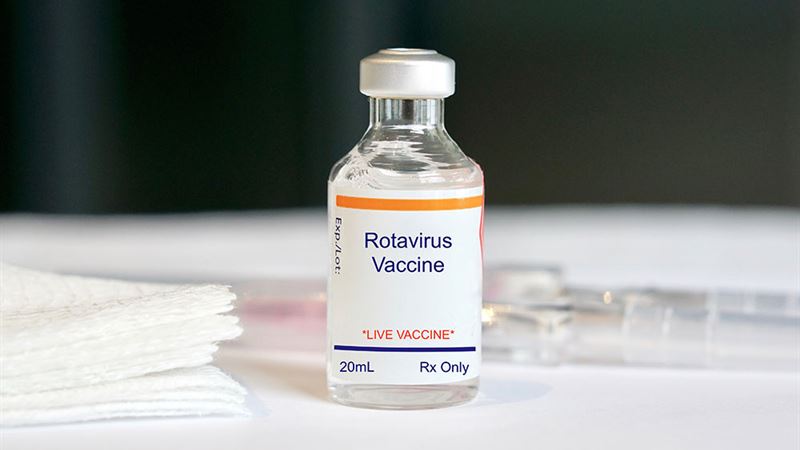
Rotavirus remains one of the leading causes of severe diarrhea and dehydration among infants and young children worldwide. It is an extremely contagious infection that spreads primarily through oral-fecal routes, often via contaminated hands, surfaces, and objects. Preventing rotavirus infection is critical because of its potential to cause severe illness and dehydration, which may necessitate hospitalization. Fortunately, vaccination, combined with excellent hygiene practices, provides an effective defense against this virus, significantly reducing the incidence and severity of infections among children.
In addition to vaccination, maintaining rigorous hand hygiene, sanitizing surfaces regularly, and ensuring clean drinking water are vital components of an integrated strategy to prevent rotavirus transmission. Children, especially those in daycare or crowded environments, are particularly vulnerable, making preventive measures absolutely crucial for safeguarding their health.
Understanding the types of available vaccines, the recommended schedules, possible side effects, and the importance of timely immunization can empower parents and caregivers to make informed decisions that protect their children from this potentially life-threatening disease.
Understanding Rotavirus and Its Impact
Rotavirus is a highly infectious virus responsible for gastrointestinal illnesses in infants and young children globally. It causes severe diarrhea, vomiting, fever, and dehydration, which can quickly become dangerous if not treated promptly. While the infection can affect individuals of all ages, children under five are most at risk, particularly those under the age of two.
The virus is primarily spread through contact with contaminated fecal matter, either directly via hands or indirectly through contaminated surfaces, objects, or food. Poor sanitation and hygiene practices significantly elevate the risk of infection, especially in densely populated settings such as daycare centers or households with multiple children.
Because of its highly contagious nature, controlling the spread of rotavirus necessitates multiple preventive strategies, of which vaccination plays a pivotal role.
The Role of Vaccination in Preventing Rotavirus
Vaccination stands as the cornerstone of rotavirus prevention. It has undergone extensive research and development, resulting in two primary vaccines that are widely recommended by health authorities across the globe: RotaTeq® and Rotarix®. These vaccines have proven to be highly effective in reducing the incidence of severe rotavirus gastroenteritis, hospitalizations, and potentially death among young children.
Approved Vaccines and Their Regimens
- RotaTeq® — This vaccine is administered orally in three doses, typically at 2, 4, and 6 months of age. The schedule is designed to ensure maximum protection before children become most vulnerable to infection.
- Rotarix® — This vaccine is given in two doses, at 2 and 4 months of age. Its streamlined schedule offers an alternative for parents seeking fewer doses while still maintaining high efficacy.
It is critical to adhere to the prescribed schedule and complete all doses to ensure optimal immunity. Both vaccines are most effective when administered before the child is six months old, with the first dose typically given at around 6 to 15 weeks of age. Completing vaccination series prior to the child's age of 8 months is essential for best results.
Effectiveness of Rotavirus Vaccines
Extensive studies and clinical trials have established that rotavirus vaccines protect approximately 90% of children from severe disease. The protection is especially vital in low-resource settings where access to adequate medical care might be limited. Vaccinated children are significantly less likely to suffer from dehydration or require hospitalization due to rotavirus infection.
Potential Side Effects and Precautions
While rotavirus vaccines are generally safe and well-tolerated, like all immunizations, they may cause minor side effects. Parents should be aware of these possible reactions to monitor their child's health and seek medical attention if necessary.
- Mild fever, fussiness, or irritability after vaccination
- Temporary diarrhea or vomiting
- In rare instances, a serious condition known as intussusception, which is a bowel obstruction that may require hospitalization
It is important to consult healthcare providers about any concerns or unusual symptoms following vaccination. Prompt medical attention can effectively address rare adverse reactions and ensure the child's safety.
Importance of Maintaining Hygiene Alongside Vaccination
Although vaccination significantly reduces the risk of rotavirus infection, good hygiene practices remain essential. Regular handwashing with soap and water, disinfecting contaminated surfaces, and practicing safe sanitation can minimize the spread of the virus. Parents should instill these habits in children from an early age to complement the protective effects of vaccination.
Ensuring that diaper-changing areas, toys, and utensils are clean helps prevent viral transmission. Additionally, avoiding exposure to contaminated water sources and food can further decrease the likelihood of infection.
Conclusion: A Comprehensive Approach to Protecting Children from Rotavirus
Preventing rotavirus infection requires a multifaceted strategy that combines vaccination with consistent hygiene practices. The availability of effective vaccines such as RotaTeq® and Rotarix® has transformed the landscape of rotavirus prevention, drastically reducing disease burden worldwide. Adequate vaccination schedules, awareness of potential side effects, and emphasis on hygiene can help parents and caregivers safeguard children from severe illness, ensuring healthier lives and reducing the strain on healthcare systems. By staying informed and proactive, communities can make significant strides toward eradicating the burden of rotavirus infection among vulnerable populations.