
Comprehensive Dietary Approach for Managing Crohn’s Disease Symptoms
This comprehensive guide offers tailored dietary strategies for Crohn’s disease management, emphasizing probiotics, easy-to-digest foods, and avoiding triggers. Proper nutrition helps reduce inflammation, improve gut health, and support immune function. Personalization and professional consultation are key to effectively controlling symptoms and enhancing quality of life for those battling Crohn’s disease.
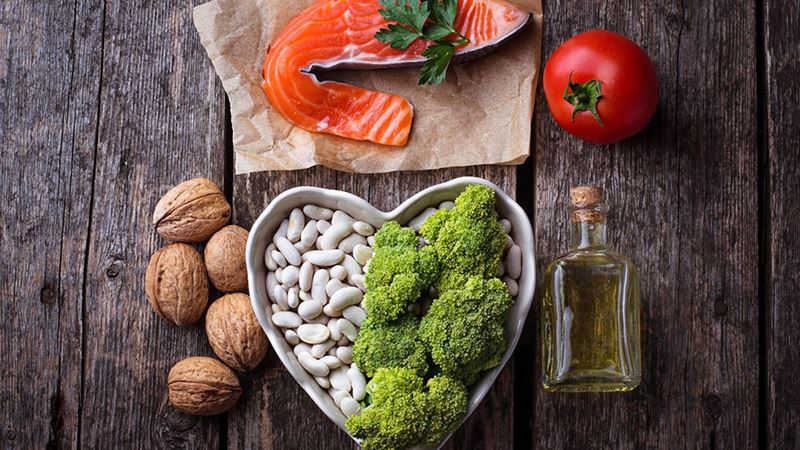
Managing Crohn’s disease requires a strategic and personalized dietary plan that emphasizes nourishing the gut and reducing inflammation. A balanced diet that includes specific nutrient-rich foods can significantly improve quality of life for those affected. Emphasizing the intake of probiotics, easy-to-digest foods, and managing triggers are critical components of a tailored dietary strategy. This detailed guide explores dietary recommendations, the role of probiotics, beneficial foods, foods to avoid, and tips for achieving symptom relief through nutrition, helping patients navigate their condition more effectively.
Understanding the Importance of Gut Bacteria in Crohn’s Disease Management
The microbiome, composed of beneficial bacteria residing within our digestive system, plays an essential role in overall gastrointestinal health, immune function, and nutrient absorption. In Crohn’s disease, this delicate microbial balance often becomes disrupted, leading to increased inflammation and compromised digestion. The depletion of helpful bacteria can exacerbate symptoms such as diarrhea, abdominal pain, and fatigue. Therefore, restoring and maintaining a healthy gut microbiota through dietary interventions, including probiotics, is vital for managing this chronic condition.
The Role of Probiotics in Supporting Crohn’s Disease Treatment
Probiotics are live microorganisms that confer health benefits when consumed in adequate amounts. For Crohn’s patients, probiotics serve a dual purpose: replenishing beneficial gut bacteria and helping to regulate immune responses. Although probiotics are not a cure for Crohn’s, they can be a valuable part of an integrated treatment plan aimed at reducing inflammation and enhancing gut barrier function. When chosen carefully, probiotic-rich foods and supplements may improve gastrointestinal symptoms and support overall well-being.
Research indicates that incorporating probiotics into your diet can have a positive impact on gut health. These beneficial microbes are found naturally in certain fermented foods and can also be taken as supplements. Due to individual variability, consulting with a healthcare professional before starting probiotics is essential to ensure safety and appropriateness based on specific health conditions and existing medications.
Optimizing Your Crohn’s Disease Diet with Suitable Foods
Dietary management of Crohn’s disease involves selecting foods that are gentle on the digestive tract, nutrient-dense, and tailored to individual tolerances. Since the disease manifests differently among individuals, personal experimentation and professional guidance are necessary to identify specific triggers and safe options. The following list highlights foods generally well-tolerated and beneficial for those with Crohn’s, especially during flare-ups or remission phases:
- Almond Milk: As many Crohn’s patients are lactose intolerant, almond milk provides a calcium-rich, dairy-free alternative that’s easy to digest.
- Eggs: Eggs are an excellent, cost-effective protein source that are easily tolerated when prepared simply, such as boiled or scrambled.
- Oatmeal: Rich in soluble fiber, oatmeal facilitates smooth digestion and helps prevent constipation, making it suitable during stable disease phases.
- Pureed Vegetable Soups: Cooking and pureeing vegetables help retain nutrients while making them gentler on inflamed intestines, especially during flare-ups.
- Lean Protein Sources: Seafood, chicken, and turkey cooked by steaming, boiling, or grilling provide essential nutrients without added fats or irritants.
- Digestible Fruits: Bananas, papayas, and mangoes are easy to digest and nutrient-rich, with papaya containing enzymes beneficial for digestion.
- Mashed Potatoes: A comforting, low-fiber option that restores energy and nutrients after flare-ups or surgeries.
- Avocados: Nutrient-dense, soft, and easy to digest, they are a good source of healthy fats and vitamins.
Foods to Limit or Avoid in Crohn’s Disease
Being mindful of dietary triggers is crucial for managing Crohn’s symptoms. Certain foods can aggravate inflammation, induce discomfort, or exacerbate flare-ups. It’s advisable to eliminate or reduce intake of these items based on personal responses:
- Alcoholic beverages, including beer, wine, and spirits
- High-fat spreads such as butter, mayonnaise, and margarine, along with greasy oils
- Caffeinated drinks like coffee and tea, as well as chocolate, which can irritate the gastrointestinal lining
- Fried and heavily processed foods that are difficult to digest
- Foods that increase gas production, such as beans, cabbage, and carbonated drinks
- Spicy foods that can cause irritation
- Red and processed meats, which may trigger inflammation
Additional Tips for Managing Crohn’s Disease with Diet
Beyond selecting appropriate foods, maintaining a well-balanced diet entails hydration, portion control, and mindful eating habits. It’s important to keep a food diary to identify personal triggers and tolerances. Regular check-ups and collaboration with healthcare providers, including dietitians, can help tailor a sustainable nutritional plan. During flare-ups, temporarily switching to a low-residue, easy-to-digest diet can help reduce symptoms, while reintroducing other foods gradually as remission is achieved. Supplements such as vitamins and minerals may be necessary if malabsorption occurs, but these should be used under medical supervision.
In essence, adopting a personalized and flexible dietary strategy, combined with medical therapy, can significantly improve the management of Crohn’s disease, reduce symptoms, and enhance overall quality of life.