
Revolutionizing Home Heating with Geothermal Heat Pumps: A Sustainable and Cost-Effective Solution
Explore how geothermal heat pumps can revolutionize home heating with energy efficiency, durability, and eco-friendliness. Learn about installation costs, benefits, and why this sustainable technology is the future of residential climate control.
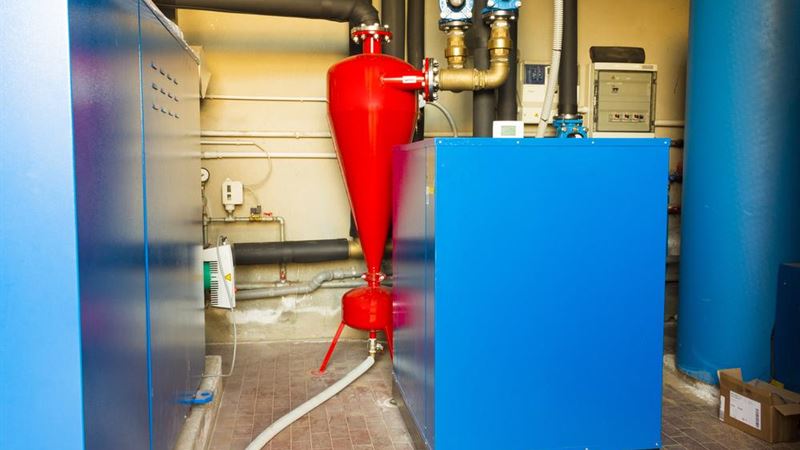
In recent years, the search for energy-efficient and environmentally friendly home heating solutions has gained immense popularity. Among these innovations, geothermal heat pumps stand out as a game-changing technology that promises not only significant energy savings but also a substantial reduction in carbon footprint. This comprehensive guide delves into the intricacies of geothermal heat pumps, explaining what they are, how they function, their advantages, costs, installation process, and their role in promoting sustainable living.
Ground temperature fluctuations are a natural phenomenon that can be harnessed for efficient heating and cooling. During winter, the earth’s subsurface layers tend to be warmer than the ambient air, providing a reliable heat source. Conversely, in summer, they act as a cooling reservoir, absorbing excess heat. Ground-source heat pumps tap into this consistent thermal energy by exchanging heat with the earth using a specialized ground heat exchanger. This system operates through a process similar to a refrigerator, where heat is transferred from one location to another, but in this case, it’s used for heating or cooling homes. The core principle relies on a refrigerant cycle, which absorbs heat from the ground during colder months and releases it into the living spaces, and vice versa during warmer months, ensuring a comfortable indoor environment year-round.
One of the key components of a geothermal system is the ground heat exchanger, which can be installed vertically or horizontally depending on available land and soil conditions. Vertical loops involve drilling deep into the earth and are preferred for limited space, while horizontal loops are laid out across a large area, making them suitable for spacious properties. Installation costs are influenced by various factors including soil type, land size, accessibility, and the required depth of the loops. Generally, the upfront investment ranges from approximately $15,000 to $35,000. This cost premium accounts for the complexity of excavation, installation, and the type of loop system chosen. Despite the initial expense, geothermal systems offer long-term savings and environmental benefits that make them an attractive choice for eco-conscious homeowners.
While the initial costs can be significant, the long-term advantages often surpass these expenses. Here are some compelling benefits of adopting a geothermal heating and cooling system:
- Significant Cost Savings on Operations: Geothermal heat pumps are remarkably energy-efficient. They typically consume 40% to 50% less energy than traditional HVAC systems, translating into substantial reductions in monthly utility bills. Over time, these savings offset the initial investment, making geothermal systems economically viable for most homeowners.
- Extended System Lifespan: The durability of geothermal systems is another major plus. Indoor components such as the heat pump can last up to 25 years with proper maintenance, substantially longer than conventional systems, which often last around 15 years. The underground loops, which are subject to less wear and tear, can last for up to 50 years, ensuring a long-lasting investment that reduces replacement costs.
- Environmentally Friendly and Sustainable: Geothermal energy is a renewable resource that requires no onsite combustion or fossil fuels. Its operation produces no greenhouse gas emissions, making it a clean energy source. Incorporating geothermal heat pumps into your home significantly contributes to reducing your carbon footprint and supporting global efforts to combat climate change.
Understanding the installation process is crucial for homeowners considering this innovative system. The process involves site assessment, permitting, loop installation, and system integration. Proper site analysis ensures the ground conditions are suitable for the type of loops planned. Drilling or excavation is performed based on the chosen loop system. Once installed, the system is connected to the home's ductwork or radiant heating system, and the controls are configured for optimal operation. Professional installation is essential to maximize efficiency and ensure system longevity.
In conclusion, geothermal heat pumps represent a significant advancement in residential climate control. They combine energy efficiency, environmental sustainability, and long-term affordability, making them an ideal choice for forward-thinking homeowners. Although the initial cost may be intimidating, the long-term benefits—lower energy bills, reduced environmental impact, and system durability—make geothermal systems a wise investment. As more regions focus on sustainable development and reducing carbon emissions, geothermal technology is poised to become the standard in eco-friendly home heating and cooling solutions.