
Dietary Strategies to Manage Crohn’s Disease Symptoms Effectively
Discover comprehensive dietary strategies to control Crohn’s disease symptoms. Learn which foods to eat and avoid, including low-fiber fruits, easily digestible proteins, and gentle vegetables. Implement lifestyle tips for better management and improved quality of life. Expert advice helps minimize flare-ups and promote gut healing effectively.
Crohn’s disease is a chronic inflammatory condition that can affect any part of the gastrointestinal (GI) tract, from the mouth to the anus. However, it predominantly targets the ileum—the last part of the small intestine—and the colon, which is part of the large intestine. The disease is characterized by periods of flare-ups and remission, often lasting for years or even a lifetime in some individuals. This condition results from an abnormal immune response that causes persistent inflammation, leading to symptoms such as abdominal pain, diarrhea, weight loss, fatigue, and sometimes fever. Over time, Crohn’s can cause complications like ulcerations, fistula formation, strictures, and nutritional deficiencies, which significantly impair quality of life.
Managing Crohn’s disease requires a comprehensive approach, and dietary modifications play a crucial role. Since there is no definitive cure for Crohn’s, patients are advised to adopt a diet that minimizes flare-ups, alleviates symptoms, and supports overall health. Proper nutritional intake is vital because the inflammation and tissue damage can impair nutrient absorption, leading to deficiencies that worsen disease outcomes. This article explores detailed dietary tips and specific food choices that can help ease Crohn’s symptoms, prevent complications, and improve overall well-being.
Understanding which foods trigger symptoms and which ones promote healing is essential for effective management. Often, individual responses vary, and patients may need to tailor their diets in consultation with healthcare professionals or registered dietitians. The primary goal is to reduce intestinal inflammation, avoid irritating foods, and ensure adequate nutrition to sustain energy and support recovery. Below, we delve into specific food categories and nutritional strategies now widely recommended by gastroenterologists and dietetic experts for individuals living with Crohn’s disease.
Essential Dietary Recommendations for Crohn’s Disease
Since Crohn’s disease is a chronic, often unpredictable inflammatory disorder, a tailored diet can help keep symptoms in check and prevent exacerbations. Here are some crucial dietary tips:
- Avoid processed foods and fast food products that are typically rich in unhealthy fats, additives, preservatives, and high sugar content. These can aggravate inflammation and trigger symptoms.
- Prioritize easily digestible foods, particularly during active flare-ups, to reduce stress on the gastrointestinal tract and aid healing.
- Maintain balanced nutrition by incorporating appropriate amounts of carbohydrates, proteins, and fats, respecting individual tolerances.
- Stay hydrated by drinking plenty of fluids, with a preference for water and electrolyte-rich drinks if diarrhea is severe.
Key Food Choices and Dietary Components to Ease Crohn’s Symptoms
Adopting the right diet involves selecting foods that are gentle on the GI tract, low in fiber during flare-ups, and rich in nutrients necessary for immune support. Here are specific food recommendations:
- Non-caffeinated Beverages
- Caffeine is known to stimulate intestinal motility and may worsen symptoms such as diarrhea. It is advisable for Crohn’s patients to replace coffee, black or green tea, flavored sodas, and energy drinks with decaffeinated options or herbal teas. Additionally, choose beverages with low or zero added sugar to prevent blood sugar spikes and minimize gastrointestinal irritation.
- Fruits with Low Fiber and Easy Digestion
- During active symptoms, select fruits that are peeled, ripe, and low in fiber. Suitable options include bananas, peeled apples, canned peaches in juice, and seedless watermelons. Juices made without pulp are gentle on the bowel, but avoid those with added sugars or artificial sweeteners which can exacerbate symptoms.
- Protein Sources That Are Gentle and Nutrient-Dense
- Incorporate well-cooked, tender meats like chicken, turkey, or lean beef. Fish such as salmon, cod, and other fatty fish are excellent due to their anti-inflammatory omega-3 fatty acids. Eggs, especially hard-boiled, and plant-based proteins like tofu and tempeh, are valuable additions tailored to individual tolerances. This ensures sufficient protein intake essential for tissue repair and immune function.
- Vegetables Suitable for Crohn’s Disease
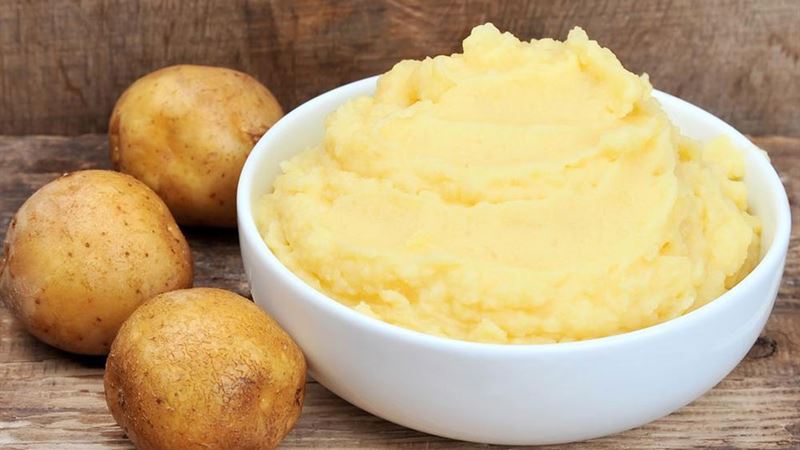
- During symptomatic periods, consume vegetables that are cooked until soft to facilitate digestion. Examples include potatoes, pumpkin, carrots, zucchini, and well-cooked pumpkin or squash. Avoid raw vegetables, cruciferous vegetables like broccoli and cabbage, or vegetables with seeds and skins that can irritate the inflamed gut. Juices from non-pulp vegetables provide vitamins and minerals without adding fiber burden.
- Carbohydrates That Are Easy on the Gut
- Choose simple carbs like white rice, refined pasta, and bread made from white flour. These foods are less likely to provoke symptoms but can be complemented with nutrient-rich options as tolerated.
- Supplements and Additional Nutritional Support
- For those with significant weight loss or nutrient deficiencies, healthcare providers might recommend specialized nutritional formulas, such as elemental or semi-elemental diets, to provide complete nutrition while reducing bowel stimulation.
Foods to Limit or Avoid
While focusing on beneficial foods, it’s equally important to recognize items that can exacerbate Crohn’s symptoms. These include:
- High-fiber foods, especially raw vegetables and whole grains, during active symptoms.
- Spicy foods, greasy fried items, and heavily processed snacks that can irritate the gut lining.
- Alcoholic beverages and caffeine in excess, as they can increase intestinal motility and cause dehydration.
- Foods containing seeds, nuts, and popcorn which can cause mechanical irritation.
Additional Tips for Long-Term Management
Alongside diet modifications, lifestyle changes can help mitigate symptoms and improve quality of life:
- Eat smaller, more frequent meals to ease digestion and prevent overloading the gastrointestinal system.
- Monitor individual food triggers diligently through food diaries, noting symptoms and reactions to specific items.
- Maintain regular medical checkups, including blood tests and imaging, to monitor disease activity.
- Engage in moderate physical activity to promote overall health but avoid overexertion during flare-ups.
- Reduce stress through relaxation techniques like meditation, yoga, or counseling, as stress can aggravate symptoms.
In conclusion, managing Crohn’s disease involves a strategic combination of dietary choices, lifestyle changes, and medical care. While individual responses vary, adhering to a diet that minimizes irritation and supports healing can significantly improve daily functioning and long-term outcomes. Consulting with healthcare professionals for personalized guidance remains the cornerstone of effective management.