
Effective Strategies and Foods to Alleviate Constipation Naturally
Learn comprehensive strategies to naturally alleviate and prevent constipation. This guide covers causes, home remedies, fiber-rich foods, and lifestyle tips to promote optimal digestive health and regular bowel movements. Empower yourself with practical advice to improve gut health and enhance overall well-being effectively.
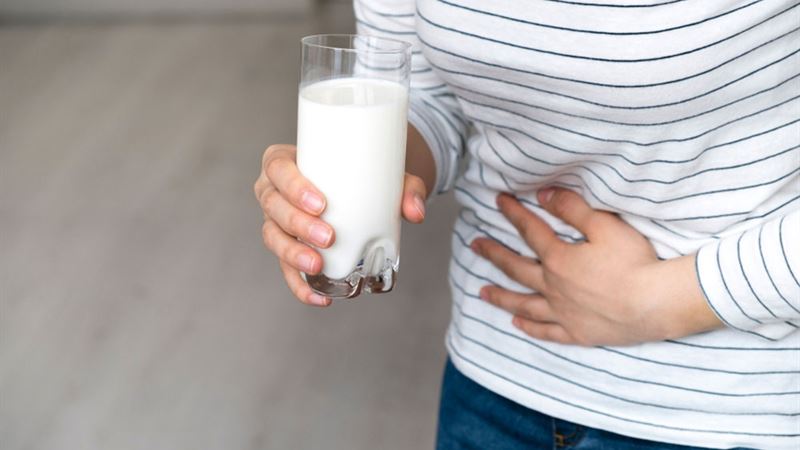
Constipation is a common health issue that affects people of all ages. While it often resolves within a day, persistent or severe cases can linger for weeks, causing discomfort and impacting daily activities. Understanding the underlying causes and adopting dietary and lifestyle modifications can significantly help in managing this condition without immediate medical intervention. This comprehensive guide explores causes of constipation, practical at-home remedies, and a detailed list of fiber-rich foods that can promote healthy bowel movements. Additionally, strategies for preventing future episodes are discussed, empowering you to take control of your digestive health.
Understanding Constipation: Causes and Risk Factors
Constipation can result from a multitude of factors, often intertwined with lifestyle, diet, and health conditions. Recognizing these causes is the first step toward effective management. Common contributors to constipation include:
- Sudden dietary changes—shifts in eating habits can disrupt normal bowel movements.
- Inadequate fluid intake—dehydration causes stool to harden, making evacuation difficult.
- High consumption of dairy products—excessive intake can contribute to constipation in some individuals.
- Sedentary lifestyle—lack of physical activity slows down intestinal motility.
- Ignoring natural urges—resisting the urge to have a bowel movement can lead to constipation over time.
- Stress and psychological tension—these can affect gut motility and function.
- Overuse of laxatives—reliance on medications can weaken bowel muscles and worsen the condition.
- Medications—certain drugs like opioids, antidepressants, iron supplements, and others in high doses may cause constipation as a side effect.
- Irritable bowel syndrome (IBS)—a common gastrointestinal disorder associated with abnormal bowel habits.
- Pregnancy—hormonal changes and physical pressure on the intestines slow digestion.
- Aging—digestive efficiency naturally declines with age, resulting in more frequent constipation.
- Routine changes—excessive intake of carbohydrates or fats can disrupt digestion.
- Various health issues—disorders such as hypothyroidism, diabetes, and neurological diseases can impair bowel function.
Recognizing these factors allows you to modify your habits and prevent episodes of constipation. While occasional constipation might not require medical attention, persistent or severe cases should always be evaluated by a healthcare professional to rule out underlying health concerns.
Home Remedies for Managing Constipation Effectively
Numerous effective strategies exist to relieve constipation naturally at home. These include dietary adjustments, lifestyle changes, and hydration improvements. Implementing these methods can often bring swift relief and restore regularity without medication:
- Prioritize Hydration—Aim to drink at least 67 ounces (about 2 liters) of water daily. Proper hydration softens stool, facilitating easier bowel movements and preventing hard, dry stools.
- Increase Dietary Fiber—Fiber adds bulk to stool and stimulates intestinal activity. Based on age and gender, daily fiber intake should be adapted, with women aged 31-50 consuming around 0.05 pounds and men about 0.08 pounds. Older adults require slightly less, but gradual increases are advisable to prevent bloating or gas.
- Incorporate Fiber-Rich Foods—Eating a variety of fruits, vegetables, nuts, and whole grains can significantly improve digestive health. Here are some top choices:
- Fruits like Apples and Prunes—An average-sized apple with skin provides approximately 0.01 pounds of fiber, accounting for about 17% of daily needs. Prunes are known for their natural laxative effect due to sorbitol content. Incorporate kiwis and pears for added benefits.
- Citrus Fruits such as Oranges—Rich in fiber and nutrients, oranges contribute approximately 0.29 pounds of fiber per fruit, making them an excellent choice. Regular consumption can support bowel regularity.
- Dark Leafy Greens: Spinach, Kale, and Brussels Sprouts—These vegetables are high in fiber, vitamins, and minerals. Spinach, for example, provides about 0.01 pounds of fiber per serving. Add greens to salads, smoothies, or stir-fry dishes for better digestion.
- Cruciferous Vegetables: Broccoli—Loaded with fiber, vitamins, and antioxidants, a cup of cooked broccoli contributes around 0.01 pounds of fiber. Incorporate into meals for a healthful boost.
- Nuts, Seeds, and Dried Fruits—A handful of almonds, walnuts, or pistachios can boost fiber intake and provide healthy fats. Dried fruits like prunes or apricots are convenient snacks that aid digestion.
Remember to introduce these foods gradually into your diet to minimize gastrointestinal discomfort. Consistency with dietary habits is key to managing and preventing constipation effectively. Always consult with your healthcare provider if your symptoms persist or worsen despite dietary adjustments.
Preventive Measures and Lifestyle Tips
Prevention is better than cure. Incorporating simple lifestyle modifications can reduce the risk of future constipation episodes:
- Maintain a regular eating schedule—consistent meal times promote healthy digestion.
- Engage in daily physical activity—exercise such as walking, cycling, or yoga helps stimulate intestinal motility.
- Avoid delaying natural urges—listening to your body and responding promptly can prevent stool from becoming hard and impacted.
- Limit processed and high-fat foods—these can slow digestion and contribute to constipation.
- Manage stress effectively—techniques like meditation, deep breathing, and relaxation exercises can benefit gut health.
- Use medications judiciously—overuse of laxatives or bulk-forming agents can impair natural bowel movements over time.
While adopting these habits, always consider individual health conditions or dietary restrictions. For persistent issues, consult medical professionals to identify and treat underlying causes.
Conclusion: Take Charge of Your Digestive Health
Constipation may seem a minor inconvenience, but it can significantly affect quality of life if ignored. By understanding the causes and implementing dietary and lifestyle changes, you can effectively manage and prevent this common condition. Incorporate plenty of fiber, stay well-hydrated, and keep active to support your digestive system. Remember, if symptoms persist beyond a few days or worsen, seek medical advice promptly. Empower yourself with knowledge and make these healthy choices part of your daily routine for a happier, healthier gut.