
Effective Natural Remedies for Alleviating Constipation Symptoms
Discover natural, effective solutions for relieving constipation with fiber-rich foods like prunes, flaxseeds, and leafy greens. Learn how these remedies promote healthy digestion, softer stools, and regular bowel movements. Ideal for quick relief and long-term gut health, these dietary tips are backed by science and traditional wisdom. Consult your healthcare provider before making major dietary changes, especially if experiencing severe symptoms. Incorporate these foods into your daily routine for improved digestive comfort and overall wellness, ensuring a healthier, happier gut.
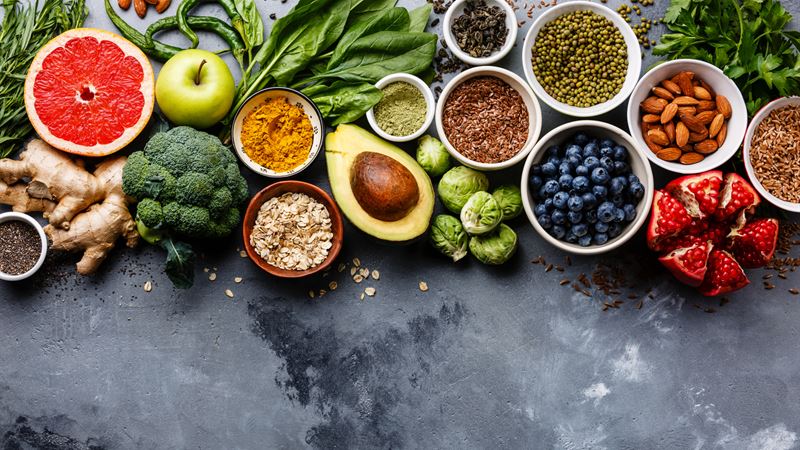
Constipation is a common digestive issue characterized by infrequent or difficult bowel movements. When this condition occurs, the transit of waste material through the intestines slows down, giving the colon more time to extract water, which results in harder and drier stools. Fortunately, certain foods possess properties that can effectively support digestive health and promote smoother bowel movements. Incorporating these foods into your daily diet may provide quick relief and improve overall gut function. Below, we explore some of the most potent natural remedies for constipation, backed by scientific research and traditional use.
- Prunes: Nature’s Laxative Powerhouses
- Flaxseeds: A Nutrient-Rich Fiber Source
- Psyllium Husk: A Natural Fiber Supplement
- Rhubarb: A Natural Laxative from the Garden
- Leafy Greens: Spinach, Broccoli, and Brussels Sprouts
- Fruits: Natural Riches for Digestive Health
Prunes, or dried plums, have long been celebrated for their ability to combat constipation. They are packed with dietary fiber—approximately 3 grams per 40 grams serving—which adds bulk to stool and stimulates bowel activity. The primary insoluble fiber in prunes is cellulose, which absorbs water and softens stool, making it easier to pass. Moreover, prunes contain sorbitol, a sugar alcohol with natural laxative effects that draw water into the intestines, further easing bowel movements. Additionally, phenolic compounds in prunes promote healthy gut bacteria, supporting optimal digestive function. Consuming about 100 grams of prunes daily could significantly alleviate constipation symptoms; however, it's important to consult your healthcare provider before making substantial dietary changes involving prunes to avoid potential gastrointestinal discomfort.
For centuries, flaxseeds have been recognized as a potent natural remedy for digestive issues, including constipation. They are a rich source of omega-3 fatty acids, lignans, and dietary fiber—particularly insoluble fiber—which acts like a sponge in the large intestine by absorbing water. This process softens the stool and increases its bulk, facilitating smoother bowel movements. Adding ground flaxseeds to your cereal, smoothies, salads, or yogurt can help promote regularity and improve gut health. Besides alleviating constipation, flaxseeds offer numerous health benefits, such as reducing inflammation and supporting heart health. It’s advisable to start with small amounts and increase gradually to prevent any digestive discomfort.
Psyllium husk, derived from the seeds of Plantago ovata, is renowned for its high soluble fiber content and remarkable ability to relieve constipation rapidly. It works by absorbing water in the gut, forming a gel-like substance that adds bulk to stool, thereby stimulating bowel movements. Its efficacy is well-documented, making it a preferred choice for both occasional and chronic constipation. Consuming a teaspoon of psyllium husk mixed in warm water daily can provide quick and effective relief. Beyond constipation, psyllium husk helps regulate blood sugar levels, reduce cholesterol, and improve overall gastrointestinal health. As with any supplement, start with a small dose and stay well-hydrated for optimal results.
Rhubarb, commonly used in desserts, also possesses potent laxative properties due to the presence of sennoside A, a compound known as senna. Sennosides stimulate bowel movements by decreasing the activity of aquaporin 3, a protein that regulates water absorption in the colon. This leads to softer stools and quicker evacuation. In addition, rhubarb provides about 2.2 grams of dietary fiber per 122-gram serving, contributing to healthy gut flora and regularity. While rhubarb’s natural laxative effect can be beneficial, it should be consumed in moderation, especially if used as a medicinal remedy, to avoid dependency or electrolyte imbalance.
Leafy green vegetables like spinach, broccoli, and Brussels sprouts are nutritional powerhouses high in fiber, vitamins, and minerals. Their high fiber content adds bulk to stool and helps retain moisture, aiding easier passage through the digestive tract. For example, a cup of cooked spinach (180 g) provides over 4.7 grams of fiber—more than 18% of the recommended daily intake. These greens are versatile and can be included in salads, soups, stir-fries, or baked dishes. Regular consumption of these vegetables not only relieves constipation swiftly but also supports overall digestive health and boosts immune function due to their rich nutrient profile.
Fruits such as oranges, grapefruits, apples, figs, kiwis, and pears are natural remedies for constipation, thanks to their high fiber content and digestive enzymes. These fruits accelerate transit time through the colon, promoting regularity. For instance, citrus fruits are packed with soluble fiber and vitamin C, while kiwis contain actinidin, an enzyme that enhances digestion. Incorporating a variety of fruits into your daily diet can not only alleviate constipation but also provide essential nutrients such as vitamins, antioxidants, and hydration. Eating fresh fruits as snacks or adding them to breakfast options ensures consistent digestive support and overall health improvement.
In conclusion, while occasional constipation is common, persistent or severe symptoms should prompt consultation with a healthcare professional. If constipation leads to complications like hemorrhoids or anal fissures, prompt medical advice is crucial. For minor cases, dietary modifications including increased intake of fiber-rich foods, fruits, and natural remedies can provide fast, effective relief. Maintaining a balanced diet rich in fruits, vegetables, seeds, and nuts is not only beneficial for digestion but also supports overall wellness. Always remember to stay hydrated and incorporate regular physical activity for optimal gut health.