
Top 5 Types of Hospital Beds Ideal for Home Use
Explore the top five hospital bed options suitable for home use, including manual, semi-electric, fully electric, high-low, and bariatric beds. Learn about their benefits, drawbacks, and ideal applications to choose the best fit for your safety and comfort needs.
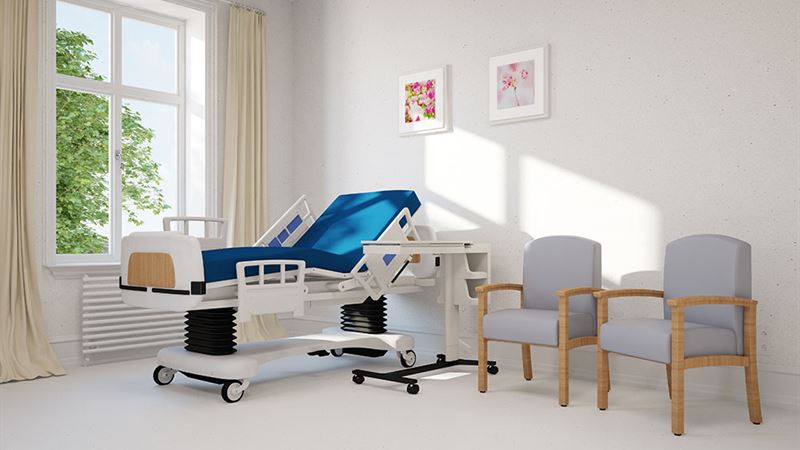
- Manual Hospital Beds: Manual hospital beds are designed to be a cost-effective alternative to electric models, providing essential features with simple operation. These beds are manually adjusted to change positions such as head elevation, foot positioning, and height. They are especially popular in home care settings due to their affordability and simplicity.
- Pros: These beds are typically less expensive than their electric counterparts, making them accessible for a wider range of budgets. Their straightforward design means fewer mechanical parts to repair or replace, which can lower maintenance costs and simplify operation.
- Cons: The primary drawback is that all position adjustments must be performed manually, which can be physically demanding. Changing the bed’s settings frequently may require considerable effort and could be inconvenient for caregivers or patients with limited strength.
Semi-Electric Hospital Beds: Combining manual and electric features, semi-electric beds offer a balance of convenience and affordability. They utilize electric motors to facilitate some adjustments, such as raising or lowering the head and foot sections, while other modifications, like changing bed height, remain manual.
- Advantages: Semi-electric beds are more affordable than fully electric models while still offering enhanced ease of use. The inclusion of remote control features for tilt and elevation adjustments minimizes physical effort, making it suitable for patients recovering from surgeries or those with mobility limitations.
- Disadvantages: Despite motorized adjustments for some parts, changing the overall height of the bed still requires manual effort, which might be strenuous for certain users.
Fully-Electric Hospital Beds: Fully electric hospital beds bring maximum convenience with all adjustments—head, foot, and height—being operated via remote controls. This type of bed is often ideal for long-term home care patients who require frequent position changes without manual effort.
- Pros: All adjustments are operated electronically, providing smooth and effortless changes. They are especially suitable for individuals with limited strength, providing greater comfort and safety without physical exertion. Many models come with programmable positions and preset configurations for personalized comfort.
- Cons: The advanced features and motorized operation make fully electric beds significantly more expensive than manual or semi-electric options. Maintenance costs may also be higher due to the complexity of electronic components.
High-Low Hospital Beds for Home Use: Designed with safety and accessibility in mind, high-low beds are particularly beneficial for patients at risk of falling or those requiring assistance to get in and out of bed. The bed deck can be lowered close to the floor, typically just seven inches above, providing enhanced safety.
- Advantages: The very low height minimizes fall risks, which is crucial for elderly or mobility-impaired individuals. An auto-rise feature assists in lifting the patient effortlessly, decreasing physical strain on caregivers. These beds facilitate safer transfer and caregiving routines.
- Disadvantages: High-low beds generally come at a higher price point compared to standard electric beds due to their specialized mechanisms and safety features.
Bariatric Hospital Beds: For patients requiring additional support and sturdiness, bariatric beds are an excellent choice. They are engineered with wider frames and reinforced structures to accommodate larger body sizes and higher weight capacities, often supporting patients weighing between 350 and 1000 pounds.
- Advantages: Bariatric beds are built for durability and safety, providing broader support and more robust features suitable for heavier patients. They improve comfort, safety, and independence for individuals with higher body mass indices.
- Disadvantages: Due to their reinforced construction, bariatric beds tend to be more costly than standard hospital beds. Their size and weight may also require special considerations for room space and portability.
Choosing the right hospital bed for home care depends on individual needs, budget, and safety considerations. Understanding the differences among these types allows caregivers and patients to make informed decisions, improving comfort, safety, and overall quality of life.