
Essential Guide to Windshield Replacement: Everything You Need to Know
Learn comprehensive insights into windshield repair and replacement, including how to identify damage, select quality materials, and find professional installation to ensure your safety on the road. This guide emphasizes safety, quality, and cost-effectiveness for vehicle owners facing windshield issues.
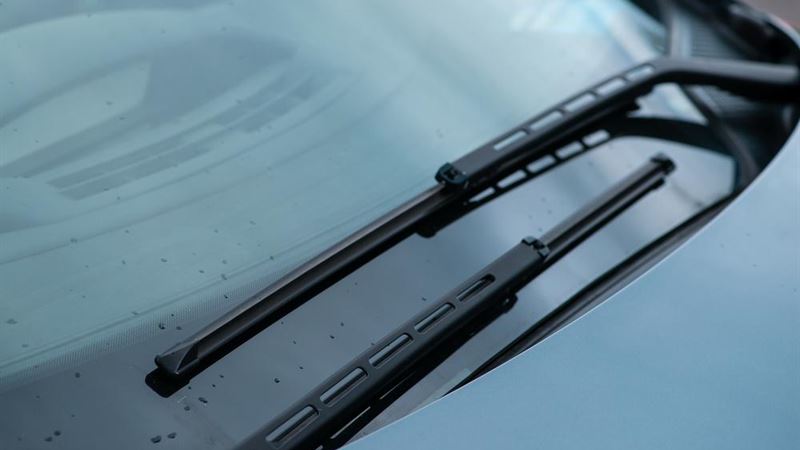
Addressing Minor Damage
When it comes to small chips or cracks on your windshield, prompt repair is crucial. It's tempting to ignore minor damage or opt for a cheap fix, but even tiny flaws can compromise your vehicle’s safety and integrity over time. Repairing small cracks or chips can often be done without replacing the entire windshield, saving you money and time. However, it’s essential to assess the damage properly—sometimes, what appears minor can expand if left unaddressed, leading to more costly repairs later. Consulting a professional ensures that the damage is appropriately evaluated and repaired with the right techniques. DIY methods are available, but expert repair often yields better results, especially for ensuring long-term safety. Understanding when to repair versus replacing is vital, and professional judgment makes all the difference.
When Replacement Becomes Necessary
In cases where the damage is extensive, such as large cracks, multiple fractures, or shattered glass, repairing the windshield may not be feasible. A full replacement becomes unavoidable to guarantee safety and compliance with road regulations. While some drivers may consider purchasing inexpensive windshields, it’s essential to prioritize quality materials and proper manufacturing standards to ensure durability and safety. A substandard windshield can jeopardize protection during accidents and may fail under stress. Always buy from reputable suppliers that offer certified, high-quality materials. The goal is to strike a balance between cost and quality, ensuring that your new windshield meets safety standards and lasts the long haul.
Importance of Proper Fit and Expert Installation
Choosing the right windshield isn’t just about price—it’s about fitting correctly and ensuring proper installation. The make, model, and year of your vehicle greatly influence the choice of windshield. Attempting to install a windshield that isn’t designed for your specific vehicle can lead to issues like leaks, weak adhesion, or compromised safety. Expert installation is equally vital—professionals have the training, tools, and experience necessary to install windshields securely and efficiently. Reputable technicians also follow manufacturer guidelines, which helps prevent future problems. When selecting a service provider, verify their experience and reputation. Proper fitting and skilled installation are critical components of a successful windshield replacement, influencing safety, durability, and overall cost-effectiveness.
Material Matters: Safety Glass and Laminated Layers
The core material of a high-quality windshield is laminated safety glass, designed to withstand impacts and prevent shattering upon sudden stress. Most windshields consist of two layers of glass bonded together with a plastic interlayer, typically polyvinyl butyral (PVB). This lamination not only enhances strength but also ensures that in the event of a collision or breakage, glass fragments remain adhered to the plastic, reducing the risk of injury. Investing in windshields made with superior materials offers better safety, longevity, and resistance to environmental factors. Cheaper options often compromise on these qualities, which can diminish your vehicle’s safety features. Therefore, prioritize materials that guarantee durability, safety, and compliance with automotive standards.
Additional Tips for a Smart Replacement
When evaluating whether to repair or replace your windshield, a simple rule of thumb is to consider damage smaller than a quarter or hidden beneath a dollar bill as repairable. Beyond damage size, consider the location—if the crack or chip is directly in your line of sight, replacement might be more appropriate to maintain clear visibility. DIY repairs can be tempting for those experienced with tools; however, windshields are complex components requiring specialized skills and equipment. A professional installation ensures that adhesives and seals are applied correctly, preventing leaks and ensuring structural integrity. Always opt for certified technicians with proven expertise in windshield replacement. Remember, a poorly installed windshield can pose safety hazards and lead to higher costs in the long run.
Financial considerations also play a role—while it might be tempting to choose the cheapest windshield, quality should never be sacrificed for savings. Ensure your choice aligns with your safety requirements and vehicle specifications. Insurance coverage and deductibles are important factors; verify your policy’s details before proceeding. In some cases, repairs might be sufficient, saving you money and avoiding unnecessary replacement costs. Yet, when total replacement is unavoidable, choose materials and services that meet safety standards. Ultimately, your windshield is a crucial safety feature—invest wisely and make informed decisions to protect yourself and your passengers.
Remember, neglecting a damaged windshield can lead to safety risks and costly repairs down the line. Always prioritize quality and professional service for the best results. Making the right choice between repair and replacement, selecting high-quality materials, and ensuring precise installation will keep you safe on the road. Don’t compromise your safety—be proactive and wise in handling windshield issues!