
Comprehensive Guide to Automotive Glass: What Every Driver Needs to Know
Discover comprehensive insights into automotive glass, including the types used in vehicles, their manufacturing processes, safety features, and maintenance tips. Learn why timely repair and replacement are essential for your vehicle’s safety and how professional services ensure optimal protection. This guide helps drivers understand their car’s glass components, emphasizing safety and durability for confident driving.
Understanding Laminated and Tempered Glass in Vehicles
When it comes to automotive glass, the two main types are laminated safety glass and tempered glass. Both are engineered to withstand impact, but they serve different purposes and have distinct manufacturing processes.
- Laminated Safety Glass: This specialized glass was first developed in the 1920s, revolutionizing vehicle safety. It consists of two sheets of glass fused together with a layer of Polyvinyl Butyral (PVB). The layers are bonded and heated to create a single, durable sheet. The PVB layer acts as an adhesive, holding the glass together if it is shattered, preventing dangerous shards from flying around and causing injury. The manufacturing process involves high heat and pressure, resulting in a resilient glass that remains intact during impact.
The primary reason windshields are made from laminated glass is safety. If a windshield shatters, the PVB layer keeps the glass in place, reducing the risk of ejection during a crash. Additionally, laminated glass acts like a protective barrier, preventing objects from penetrating the vehicle’s interior, thereby safeguarding passengers. Its optical clarity also ensures unobstructed vision, which is vital for safe driving.
- Tempered Glass: Unlike laminated glass, tempered glass is made from a single sheet of standard glass that undergoes a treatment process involving extreme heat followed by rapid cooling, known as quenching. This process enhances the strength of the glass significantly. Tempered glass is designed to break into small, dull, pebble-sized fragments rather than dangerous shards, which minimizes injury risk during breakage.
This type of glass is ideal for side and rear windows. If impacted by an external force—such as debris, a collision, or vandalism—tempered glass will break more readily but in a safer manner. The shattered pieces are less likely to cause severe injuries, thanks to their size and shape.
However, unlike laminated glass, once tempered glass is broken, it cannot be repaired; it must be replaced entirely. This makes understanding the importance of proper care and timely replacement crucial for vehicle safety.
How to Properly Replace Your Vehicle’s Windshield
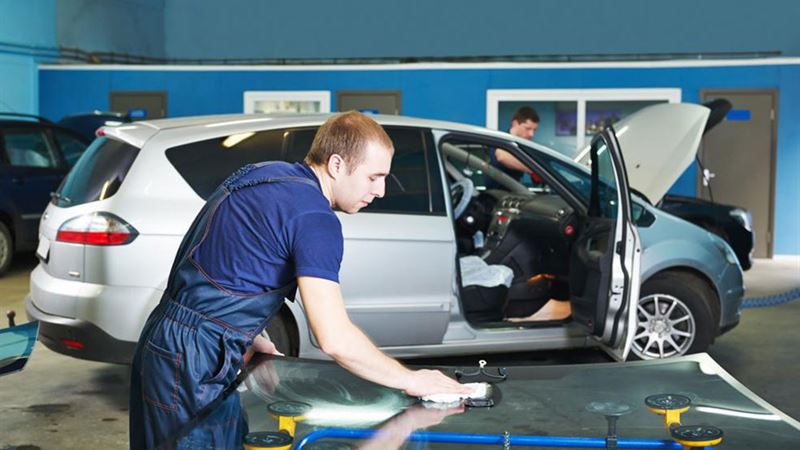
If your windshield sustains damage, timely replacement is essential for your safety. The process involves several steps performed by trained auto glass technicians:
- The technician will first remove the windshield wipers, molding, and any other components attached to the windshield.
- Next, they will carefully detach the old adhesive and clean the surface area to prepare for the new installation.
- New adhesive will be applied using specialized tools to ensure a secure bond.
- The replacement windshield is then carefully positioned and secured in place.
- Once installed, the adhesive needs time to cure properly, ensuring a waterproof and airtight seal.
The cost associated with windshield replacement varies: insurance often covers the expense entirely or partially, depending on your policy. Vehicle owners should always consult with their insurance providers to understand their coverage options.
Why You Should Never Drive with a Cracked Windshield
Driving with a damaged windshield is hazardous. A crack or chip can compromise the structural integrity of your vehicle, especially in the event of an accident. The windshield plays a vital role in maintaining the overall strength of your vehicle's frame and provides support for the roof. Additionally, cracks impair visibility, increasing the risk of accidents.
Furthermore, a cracked windshield can worsen over time due to temperature changes, vibrations, and additional impacts, making repair or replacement urgent. Always prioritize safety: have your windshield inspected and repaired by qualified technicians promptly.
In conclusion, understanding the differences in automotive glass types, proper maintenance, and timely replacements can significantly enhance your vehicle’s safety. Whether it’s a small chip or a full replacement, addressing damage immediately ensures the safety of everyone onboard and helps maintain the integrity of your vehicle’s structure. Regular inspections and professional service are the best ways to keep your auto glass in optimal condition.