
Comprehensive Guide to Portable Oxygen Concentrator Systems: Essential Information for Buyers and Users
Discover everything about portable oxygen concentrator systems—how they work, choosing the right one, maintenance tips, safety precautions, and more. This comprehensive guide helps users make informed decisions for improved mobility and respiratory health, ensuring safe and effective use of these life-enhancing devices for a better quality of life.
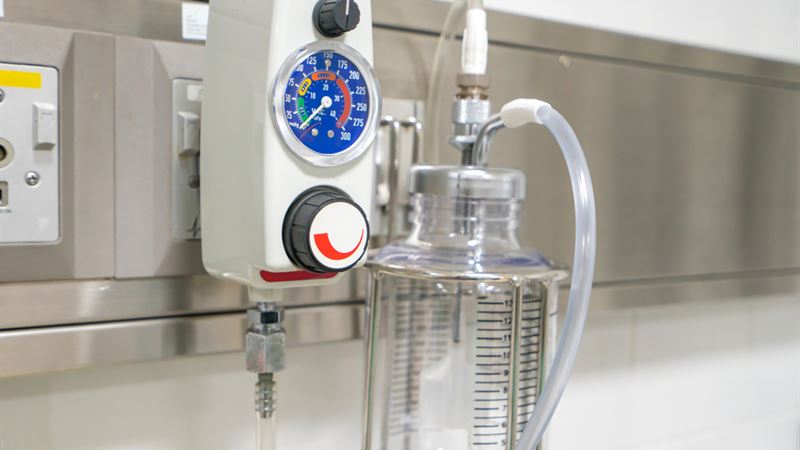
Portable oxygen concentrators have revolutionized respiratory care by offering mobility and independence to individuals requiring supplemental oxygen. These devices enhance the functioning of vital organs by efficiently delivering oxygen, which is crucial for patients with respiratory conditions such as COPD, emphysema, or other lung diseases. Not only do they improve oxygen levels, but they also significantly boost stamina and overall quality of life, enabling users to participate in daily activities, travel, and social interactions without the burden of heavy oxygen tanks.
For many, the ability to travel without the hassle of bulky cylinders has been a game-changer, allowing for stress-free journeys and outdoor adventures. This comprehensive guide explores the critical factors involved in selecting, maintaining, and safely operating portable oxygen concentrators, ensuring users make informed decisions tailored to their needs.
**Understanding the Functionality of Portable Oxygen Concentrators**
Portable oxygen concentrators are medical devices designed to extract oxygen from the surrounding air, concentrate it, and deliver it to the user through nasal cannulas or masks. They are lightweight, convenient, and often FAA-approved for air travel, offering unmatched mobility compared to traditional oxygen tanks. The core advantage of these devices lies in their ability to supply oxygen continuously or in pulses, depending on the model, facilitating better management of respiratory health.
**Types of Portable Oxygen Concentrators**
There are primarily two categories of portable oxygen concentrators based on their mode of oxygen delivery:
**Key Considerations When Selecting a Portable Oxygen Concentrator**
Deciding on the right device involves evaluating multiple factors to ensure optimal performance and safety. Below are the primary considerations:
Proper maintenance extends the lifespan of your device and guarantees consistent performance. Follow these essential tips:
Safety is paramount when operating medical devices. Follow these precautions:
With multiple options available, choosing the right device requires careful thought. Here are critical tips:
This extensive guide aims to educate users about the critical aspects of portable oxygen concentrator systems, helping them make informed choices that improve quality of life and health outcomes efficiently.
For many, the ability to travel without the hassle of bulky cylinders has been a game-changer, allowing for stress-free journeys and outdoor adventures. This comprehensive guide explores the critical factors involved in selecting, maintaining, and safely operating portable oxygen concentrators, ensuring users make informed decisions tailored to their needs.
**Understanding the Functionality of Portable Oxygen Concentrators**
Portable oxygen concentrators are medical devices designed to extract oxygen from the surrounding air, concentrate it, and deliver it to the user through nasal cannulas or masks. They are lightweight, convenient, and often FAA-approved for air travel, offering unmatched mobility compared to traditional oxygen tanks. The core advantage of these devices lies in their ability to supply oxygen continuously or in pulses, depending on the model, facilitating better management of respiratory health.
**Types of Portable Oxygen Concentrators**
There are primarily two categories of portable oxygen concentrators based on their mode of oxygen delivery:
- Continuous Flow Systems: These devices provide a steady stream of oxygen regardless of the user's breathing pattern. Suitable for individuals who need a constant oxygen supply, especially during sleep or physical activity.
- Pulse Dose Systems: These systems deliver oxygen in short bursts synchronized with the user’s inhalation. They are typically lighter, more compact, and consume less battery power, making them ideal for travel and outdoor use.
**Key Considerations When Selecting a Portable Oxygen Concentrator**
Deciding on the right device involves evaluating multiple factors to ensure optimal performance and safety. Below are the primary considerations:
- Oxygen Flow Rate and Delivery: Accurate assessment of your oxygen needs is essential. Consult with your healthcare provider to understand whether you require continuous flow or pulse dose delivery, and at what flow rate.
- Portability and Size: Since portability is crucial, consider the size, weight, and design of the device. Smaller and lighter models offer easier transportation, especially for frequent travelers. Additionally, verify FAA approval for air travel compatibility.
- Battery Life and Charging: Battery capacity varies among models. Opt for devices with longer battery life, and consider carrying spare batteries to extend usage during outings or flights.
- Durability and Build Quality: The device should withstand daily use and travel conditions. Look for high-quality construction, shatter-resistant features, and protective casing.
- Accessories and Features: Additional features such as filters, alarms, displays, and remote monitoring capabilities enhance usability and safety. Ensure the device includes necessary accessories like carrying cases, power adapters, and cannulas.
- Noise Levels: Some concentrators operate noisily, which can be disruptive. Choose models with lower noise emissions for greater comfort during use.
- Warranty and Customer Support: A reliable warranty period and efficient customer support are vital for troubleshooting and maintenance.
Proper maintenance extends the lifespan of your device and guarantees consistent performance. Follow these essential tips:
- Storage: Keep batteries in a cool, dry place. Avoid exposure to extreme temperatures to prevent damage.
- Regular Usage: Run the device regularly, even during periods of non-use, to keep its components in good working order — ideally up to 10 hours monthly.
- Battery Care: Fully drain batteries before recharging to preserve their longevity. Consider investing in additional batteries for extended usage, especially during travel.
- Cleaning: Clean filters and exterior surfaces weekly to prevent dust buildup. Replace filters and cannulas as recommended by the manufacturer.
- Inspection: Periodically check for signs of wear or damage. Ensure all accessories, including tubing and connectors, are intact and functioning properly.
Safety is paramount when operating medical devices. Follow these precautions:
- Avoid Heat Sources: Keep the device away from heat, open flames, cigarettes, and cooking appliances.
- Prevent Blockages: Regularly inspect and clear inlet and outlet ports to prevent blockages that could impede oxygen flow.
- Transportation in Vehicles: Always start your vehicle before powering on the concentrator. Allow the device to warm up if stored in cold conditions.
- Travel Considerations: Verify FAA approval and inform airline staff about your device before flying. Use appropriate carry cases and avoid exposure to extreme environmental conditions.
With multiple options available, choosing the right device requires careful thought. Here are critical tips:
- Identify Your Needs: Assess your oxygen requirements, lifestyle, and mobility level to determine the features you need most.
- Insurance and Funding: Verify coverage under Medicare, private insurance, or other plans to reduce expenses.
- Research Brands and Models: Read reviews, compare specifications, and consult healthcare providers to find a reliable, high-quality device.
- Take Your Time: Don’t rush the decision. Consider trial periods or demonstrations to evaluate comfort and functionality.
This extensive guide aims to educate users about the critical aspects of portable oxygen concentrator systems, helping them make informed choices that improve quality of life and health outcomes efficiently.