
Comprehensive Guide to Purchasing Quality Used ATVs for Sale
Discover expert tips for buying used ATVs safely and affordably. Learn how to inspect tires, shock absorbers, engine leaks, CV joints, and brakes to ensure a reliable purchase. This comprehensive guide will help you identify key issues and save money by choosing quality used ATVs from trusted brands. Make informed decisions and enjoy your riding adventures with a well-maintained vehicle that offers safety, performance, and excellent value.
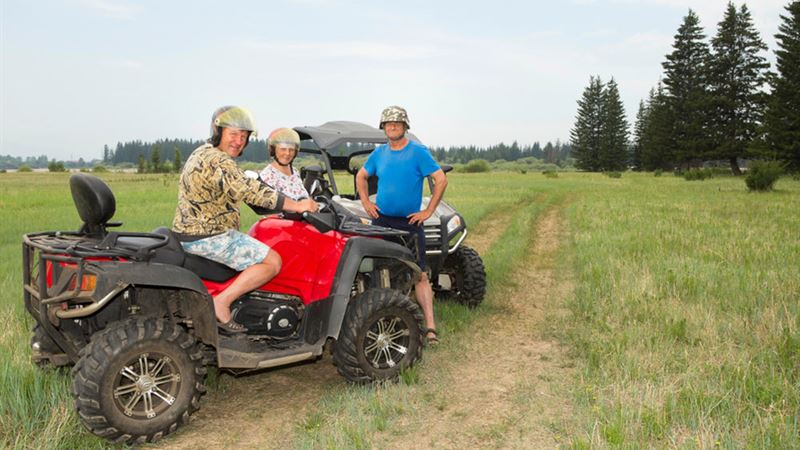
- Assess the Condition of the Tires
When evaluating used ATVs available for purchase, one of the first aspects to consider is the state of the tires. Tires are a critical component that reflects the overall wear and tear of the vehicle. Examine the tread depth thoroughly; worn-out treads or smooth tires indicate significant usage. Cracks or bulges on the sidewalls are signs of aging and potential hazards during riding. If the tires appear heavily worn or damaged, it’s advisable to negotiate a lower price to offset the cost of replacing them. Remember, fresh tires not only improve performance but also ensure safety on rugged terrains. Always verify if the seller has replaced or maintained the tires recently, or if you need to factor in the replacement costs. - Evaluate the Shock Absorbers
Shock absorbers significantly impact the ATV's handling and comfort. Carefully inspect the shocks for signs of leakage; the presence of oily spots or wet areas at the top of the shocks indicates worn or faulty components. When pressing down on the vehicle, observe whether the shocks rebound smoothly or exhibit excessive bouncing, which signals potential failure. Damaged or leaking shocks compromise stability, especially on uneven terrains, and could lead to dangerous situations. Replacing shocks can be costly; thus, considering their condition can save you substantial expenses and ensure smooth rides.
- Check for Engine Leaks
The engine is the core of the ATV, and leaks can point to underlying mechanical issues. To inspect, wipe a clean cloth around the engine’s head, valve cover, and gasket areas. Bright oil stains on the rag suggest leaks that need immediate attention. Engine leaks often indicate gasket failures or seal issues, which can deteriorate engine performance if untreated. A leaking engine also risks further damage if oil levels drop excessively. When purchasing a used ATV, always verify the engine’s leak status and consider negotiating the price if leaks are present, as repairs can be costly. - Inspect the CV Joints
Constant Velocity (CV) joints facilitate smooth power transfer from the engine to the wheels; worn-out CV joints produce handling issues. To test, secure the ATV and grip the tire firmly, then rock it back and forth. Excessive play or looseness implies worn CV joints, which may cause sloppy steering or unstable turns. Symptoms of a damaged CV joint include clicking noises during turns and uneven tire wear. If the CV joints are compromised, replacement is advised to restore ride quality. Consider this inspection crucial, as faulty joints can lead to safety risks and additional repair costs.
- Examine Brake Systems
Proper braking ability is essential for rider safety. Brake pads tend to wear down over time, making it difficult to assess their thickness visually. New brake pads measure approximately 1/4 inch, whereas worn-out pads can be as thin as 1/16 inch. Carefully check the calipers for leaks and the rotors for deep grooves or scoring, which indicate excessive wear. Uneven brake pad wear or damaged rotors can compromise stopping power, especially during sudden braking. Replacing brake components can be expensive, so evaluate their condition meticulously before finalizing a purchase.
Acquiring used ATVs offers a significant financial advantage, enabling buyers to save thousands of dollars compared to purchasing new models. When exploring used ATVs, prioritize brands known for reliability and durability, such as Yamaha, Kawasaki, Honda, Polaris, and Can-Am. These manufacturers often produce vehicles with better resale value and longer-lasting components. Conduct thorough inspections, as outlined above, and consider consulting a mechanic if necessary, to ensure you’re investing in a well-maintained vehicle. Proper research and careful assessment can help you find a used ATV that meets your riding needs while providing excellent value for your money.