
Comprehensive Guide to Managing and Treating Hip Pain
This comprehensive guide explores causes and diverse treatments for hip pain, including weight management, exercise, medications, topical agents, and surgery. Emphasizing personalized approaches, it aims to help individuals find effective relief and restore mobility, highlighting the importance of professional consultation for optimal results.
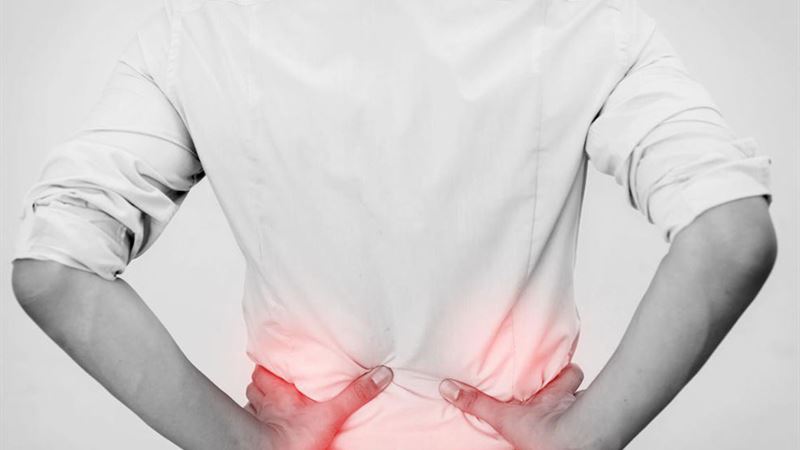
Understanding the Causes of Hip Discomfort
In today's fast-paced world, where physical strain and mental stress are commonplace, hip pain has become a prevalent concern affecting a wide demographic. Not limited to a specific age group, hip issues can impact young adults, middle-aged individuals, and seniors alike. Falls, especially from height, are a common incident leading to hip injuries, even in children. Additionally, degenerative conditions like arthritis are major contributors to persistent hip discomfort. When the hip joint is compromised, the pain can radiate to adjacent areas such as the buttocks, thighs, and groin, severely limiting mobility and quality of life.
Exploring various treatment avenues can help manage and alleviate hip pain effectively. Here, we delve into the most effective approaches and interventions to restore function and reduce discomfort:
Effective Treatment Strategies for Hip Pain
Hip joint issues are widespread and can significantly impair daily activities, leading to frustration and decreased productivity. Recognizing the importance of addressing hip discomfort promptly, the following detailed treatment options are recommended:
- Weight Control and Monitoring – Maintaining a healthy weight is fundamental in reducing stress on the hip joints. Excess weight adds mechanical pressure that exacerbates pain and accelerates degenerative processes. Dietary modifications combined with regular physical activity can significantly decrease this burden over time, offering long-term relief and preventing further deterioration.
- Engaging in Targeted Exercise – Consistent physical activity is crucial for hip health. Proper exercises enhance joint lubrication, increase blood flow, and promote muscle strength around the hip area. Low-impact activities such as swimming, walking, and specific physiotherapy exercises are ideal. It is vital to perform these under professional supervision to avoid overexertion, especially during acute pain episodes. Guided exercise programs tailored to individual needs can improve flexibility, reduce stiffness, and facilitate faster recovery.
- Topical Pain Relievers – Over-the-counter gels, ointments, and sprays offer temporary pain management. Analgesic formulations containing ingredients like menthol or capsaicin can soothe discomfort and reduce inflammation when applied consistently. Applying these topical agents twice daily for a week or more can help manage pain effectively, especially during flare-ups.
- Pharmacological Interventions – When pain becomes chronic or severe, medications such as non-steroidal anti-inflammatory drugs (NSAIDs) or analgesics are prescribed. These help in reducing inflammation, muscle cramps, and pain intensity. It's important to follow medical guidance when using medications and avoid long-term use without supervision, to prevent side effects. Additionally, heat therapy using warm compresses can enhance circulation, reduce stiffness, and provide comfort.
- Surgical Options – Surgery is generally reserved for cases where conservative treatments fail or in severe conditions involving joint damage, fractures, or infections. Procedures like hip replacements or minor repairs address underlying structural issues and restore function. Surgical interventions, although effective, require careful consideration due to their invasive nature and lengthy recovery periods. Consulting with an orthopedic surgeon is essential to determine the suitability and potential outcomes of surgical treatment.
In addition to conventional medical treatments, alternative therapies such as Ayurveda, acupuncture, and physiotherapy play supportive roles in managing hip pain. Customized treatment plans, based on individual diagnosis, ensure optimal results. Often, a combination of therapies yields faster recovery and improved functionality. It is essential to seek professional guidance to choose the most appropriate approach for your specific condition.