
Comprehensive Strategies to Alleviate Lower Back and Hip Discomfort
Explore comprehensive treatment options for lower back and hip pain, including ice and heat therapies, acupuncture, yoga, ergonomic tips, and nutritional strategies. Learn how to manage pain effectively and prevent chronic discomfort with expert advice on lifestyle modifications, sleep posture, and workplace ergonomics for a healthier, pain-free life.
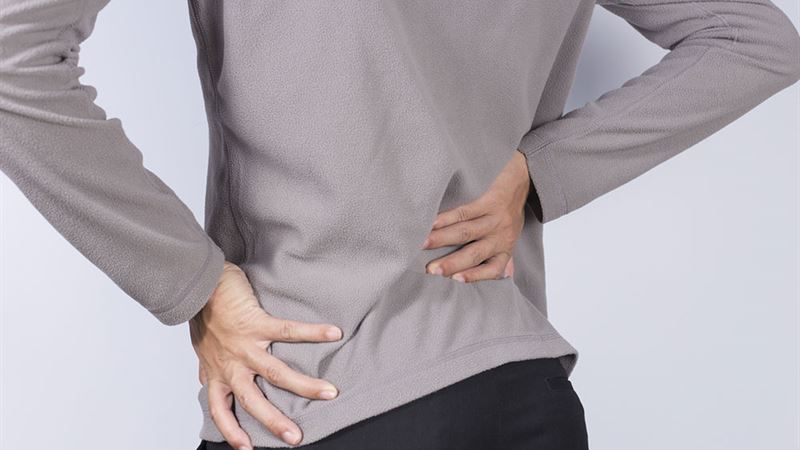
Initial First-Aid Measures for Lower Back and Hip Injury
When you experience a sudden injury or acute pain in your lower back or hips, timely response is critical. Immediate application of ice can significantly reduce inflammation and swelling. Following the initial 24 to 48 hours, heat therapy can promote blood flow and ease muscular tension. Properly managing this phase can set the stage for faster recovery.
- Use a cold pack or create one using a plastic bag filled with crushed ice, wrapped in a thin cloth to prevent skin damage.
- Apply the cold pack on the affected area for at least 10 minutes per session, ensuring the skin is protected from frostbite.
- Repeat every 2 to 3 hours during the first two days, allowing skin to rest between applications.
Transitioning to Heat Therapy
After the initial 48 hours, switching to heat therapy can help relax tense muscles and improve circulation. Avoid applying heat overnight to prevent burns or skin irritation. Use a warm water bottle or heating pad, ensuring the temperature is comfortable and safe.
Note: If swelling persists or worsens, consult a healthcare professional before applying heat.
Acupuncture: Ancient Practice for Modern Pain Relief
Rooted in Traditional Chinese Medicine, acupuncture involves inserting slender needles into specific points to stimulate energy flow and relieve pain. Many individuals with lower back and hip discomfort find acupuncture an effective non-invasive treatment without the use of medications. By promoting the release of endorphins and restoring natural energy balance, acupuncture can significantly diminish chronic pain levels.
Patients often report improvements in mobility, reduced dependency on painkillers, and better overall well-being following consistent acupuncture sessions. It's important to seek certified practitioners to ensure safety and optimal outcomes.
Incorporating Yoga for Pain Management and Flexibility
Practicing yoga regularly can be transformative for those suffering from lower back and hip issues. Specific poses target muscle tightness, improve posture, and enhance flexibility, thereby alleviating discomfort. Morning yoga routines can energize your day and prepare your spine for daily activities.
- Bridge Pose (Setu Bandhasana): Strengthens the lower back and glutes while opening hip flexors.
- Child’s Pose (Balasana): Gentle stretch that relieves lower back tension and calms the nervous system.
- Cat-Cow Stretch (Marjaryasana and Bitilasana): Improves spinal flexibility and relieves stiffness.
Always practice yoga under guidance if you are new to ensure correct alignment and avoid injury.
Optimizing Sleep Postures for Pain Reduction
Many people develop lower back and hip pain due to poor sleeping positions. Sleeping on your side with knees bent and placing a pillow between your legs can reduce pressure on your hips and spine. Conversely, sleeping on a firmer mattress can provide better support for your lower back, especially if you experience frequent discomfort.
Adjust your pillows and mattress to ensure proper spinal alignment throughout the night, which can promote healing and reduce pain.
Nutrition for Bone Health and Inflammation Control
A balanced diet rich in specific nutrients can support bone strength and reduce inflammatory processes that exacerbate pain. Focus on consuming foods high in calcium, phosphorous, and vitamin D.
- Calcium: Dairy products such as yogurt, cheese, milk, along with eggs and fortified cereals, bolster bone density.
- Phosphorous: Found in beans, sardines, dairy, and lean meats, phosphorous contributes to bone mineralization.
- Vitamin D: Present in eggs, fatty fish like salmon and cod liver oil, and fortified foods; this vitamin enhances calcium absorption.
Adding these items to your daily intake can improve your skeletal resilience and help alleviate pain caused by weakened bones or inflammation.
Workplace Ergonomics to Prevent Chronic Pain
Sedentary jobs are often implicated in lower back and hip pain due to poor posture and inadequate support. To reduce strain:
- Adjust your office chair to support the natural curve of your lower spine, with adjustable lumbar support.
- Use an ergonomic chair that encourages proper posture and reduces pressure on hips and back.
- Take frequent breaks—stand up, stretch, and walk around every 30 minutes.
- Ensure your computer screen is at eye level to prevent neck strain.
Long-Term Strategies for Managing Lower Back and Hip Pain
Consistent habits and lifestyle modifications are crucial. Maintain a healthy weight to lessen joint stress. Engage in regular physical activity, focusing on strength, flexibility, and posture. Seek professional advice for persistent symptoms or if pain interferes with daily life.
Remember that early intervention and sustained effort form the foundation of effective pain management. Small daily steps can transform your quality of life by reducing chronic discomfort and increasing mobility.
Always consult healthcare professionals for personalized treatment plans, especially if pain persists or worsens.