
Ultimate Guide to Mastering Dinner Table Settings for Beginners and Enthusiasts
Learn comprehensive techniques for setting dinner tables, from casual to formal arrangements. This detailed guide covers all essential tips on placing cutlery, glassware, and dinnerware to impress guests and enhance dining experiences. Suitable for beginners and seasoned hosts alike, it ensures your table settings are both elegant and practical, making every meal special and memorable.
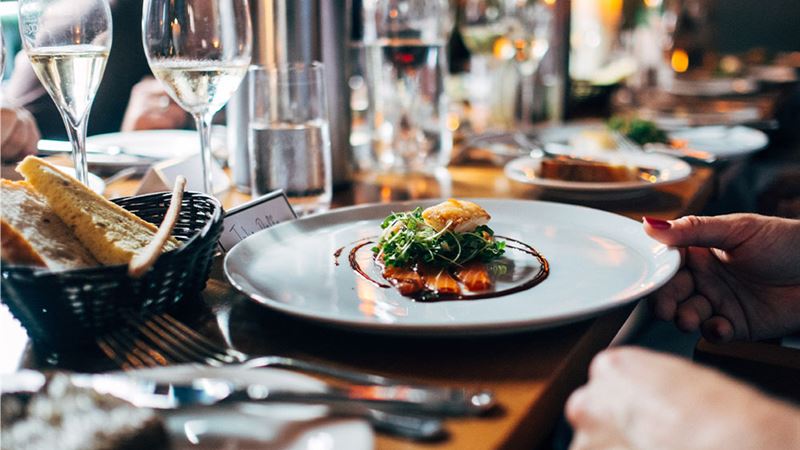
Arranging a dinner table may seem straightforward, but the nuances behind proper etiquette and presentation elevate your hosting skills to the next level. Whether you're preparing for an informal gathering or a formal banquet, understanding the correct placement of cutlery, glassware, and tableware ensures that your guests feel welcomed and appreciated. This comprehensive guide walks you through all the essential techniques, from minimalistic casual setups to elaborate formal arrangements, helping you create a memorable dining experience.
Setting your table is both an art and a science, rooted in centuries-old traditions that blend functionality with aesthetics. With practice, you can effortlessly transform any space into an elegant dining area, impressing friends, family, or clients alike. We will explore various table settings, tips on choosing appropriate dinnerware, and key etiquette to follow for different occasions.
Basic Dinner Table Setting
A simple yet neat table setup forms the foundation of good table manners. If you're just starting or seeking quick tips, here's a step-by-step approach to achieve a clean and inviting look:
As for cutlery arrangement:
For glassware:
This basic setup is perfect for everyday dinners, casual gatherings, and family meals. It emphasizes simplicity, comfort, and practicality while still maintaining an air of elegance.
Casual Dinner Table Setup
Casual table arrangements strike a balance between simplicity and style, ideal for informal family dinners, intimate get-togethers, or casual brunches. They are less cluttered than formal setups but still showcase your sense of style and hospitality. Here's how to set up a casual yet appealing table:
For added variations, you can incorporate different types of cutlery or glassware based on the menu. Remember, keeping the table uncluttered will ensure guests feel comfortable and relaxed during their meal.
Formal Dinner Table Arrangement
A formal setting is designed for multi-course meals, typically for special occasions, celebrations, or diplomatic dinners. It requires detailed preparation and attention to detail but creates a majestic dining ambiance. Here are the essential steps to set a formal dinner table:
The key to a stunning formal table is consistency and symmetry. Each element should complement the overall theme—be it classic, modern, or themed to match an event's decor. The careful placement of cutlery, glassware, and accessories not only enhances aesthetics but also guides guests smoothly through their multi-course dining experience.
Understanding these different settings and their appropriate use will dramatically improve your hosting skills. Whether for a casual dinner or a grand formal occasion, mastering table etiquette creates a warm, inviting, and polished ambiance that elevates any meal.
Setting your table is both an art and a science, rooted in centuries-old traditions that blend functionality with aesthetics. With practice, you can effortlessly transform any space into an elegant dining area, impressing friends, family, or clients alike. We will explore various table settings, tips on choosing appropriate dinnerware, and key etiquette to follow for different occasions.
Basic Dinner Table Setting
A simple yet neat table setup forms the foundation of good table manners. If you're just starting or seeking quick tips, here's a step-by-step approach to achieve a clean and inviting look:
- Begin by placing a clean, attractive placemat on each seat. The placemat acts as a base that defines each guest's space and adds a layer of sophistication.
- The dinner plate should be positioned exactly in the center of the placemat. This is your focal point for placement and serves as a platform for other dishes.
- Next, place a neatly folded napkin to the left of the plate, which can also be laid on top to create a more formal appearance. The napkin is essential for maintaining cleanliness and convenience during the meal.
As for cutlery arrangement:
- Place the fork directly above the napkin, generally pointing upwards. For a more sophisticated look, position it horizontally or vertically depending on your aesthetic preference.
- Set the knife on the right side of the plate, with its cutting edge facing inward toward the plate. This placement ensures ease of use and proper etiquette.
- Position the spoon to the right of the knife, aligning with the knife's handle to form a tidy row.
- Ensure all cutlery bottoms align horizontally at the same level, creating a uniform appearance.
For glassware:
- Place the water glass slightly above and to the right of the dinner plate, usually at a 1 o'clock position in relation to the plate. This arrangement allows for easy access and a balanced look.
This basic setup is perfect for everyday dinners, casual gatherings, and family meals. It emphasizes simplicity, comfort, and practicality while still maintaining an air of elegance.
Casual Dinner Table Setup
Casual table arrangements strike a balance between simplicity and style, ideal for informal family dinners, intimate get-togethers, or casual brunches. They are less cluttered than formal setups but still showcase your sense of style and hospitality. Here's how to set up a casual yet appealing table:
- Place a placemat on each seat to define individual dining spaces and add an element of decor.
- Center the dinner plate on the placemat.
- Layer additional dishes like a salad plate or soup bowl on top of the dinner plate, depending on the course planned.
- Position a napkin to the left of the plate or fold it and place it on top for a touch of elegance.
- Arrange utensils thoughtfully: place the entree fork to the left of the plate, followed by the salad or appetizer fork outside, and on the right side, the knife (blade inward) followed by the spoon if necessary.
- Set the water glass above the knife, slightly to the right, and if wine or other beverages are served, add their glasses further right and slightly higher.
For added variations, you can incorporate different types of cutlery or glassware based on the menu. Remember, keeping the table uncluttered will ensure guests feel comfortable and relaxed during their meal.
Formal Dinner Table Arrangement
A formal setting is designed for multi-course meals, typically for special occasions, celebrations, or diplomatic dinners. It requires detailed preparation and attention to detail but creates a majestic dining ambiance. Here are the essential steps to set a formal dinner table:
- Start with a pristine tablecloth—preferably white or subtle in color with minimal patterns to maintain elegance.
- Use a large charger plate (also known as a service plate) for each guest, serving as the base for subsequent dinnerware items.
- Place a soup bowl, salad plate, or both on the charger depending on your menu. These can be swapped out as courses progress.
- Set a bread plate with a butter knife at the top left of the charger, with the handle facing outward and the blade inward.
- Position a neatly folded or elegantly rolled napkin either to the left of the charger or placed inside the water glass for a touch of sophistication.
- Arrange utensils meticulously: place the outermost cutlery first and work inward as courses progress. For example, salad forks go outside the entree forks on the left; soup spoons and knives go on the right in sequence.
- Ensure all cutlery is evenly spaced—about half an inch apart—and aligned at the same level.
- Above the charger, place the dessert spoon and fork horizontally, with handles aligned with the top of the plate setup.
- Set the water glass directly above the knife, with the wine glasses slightly higher and to the right, creating a visual hierarchy.
- If your event includes a place card, position it neatly above the dessert utensils or on the charger.
The key to a stunning formal table is consistency and symmetry. Each element should complement the overall theme—be it classic, modern, or themed to match an event's decor. The careful placement of cutlery, glassware, and accessories not only enhances aesthetics but also guides guests smoothly through their multi-course dining experience.
Understanding these different settings and their appropriate use will dramatically improve your hosting skills. Whether for a casual dinner or a grand formal occasion, mastering table etiquette creates a warm, inviting, and polished ambiance that elevates any meal.