
Mastering the Art of Perfect Table Setting: A Comprehensive Guide
Learn how to create a stunning and functional table setting for any occasion. This comprehensive guide covers linen selection, utensil placement, glassware arrangement, and etiquette tips to help you impress your guests with a perfectly set table that combines elegance with practicality.
Essential Steps for Achieving a Flawless Table Arrangement
— Whether you're preparing a formal dinner or a casual gathering, the way you set your table can greatly influence the dining experience. An elegantly arranged table not only impresses your guests but also creates a warm, inviting atmosphere. To achieve a professional look, attention to detail is key. From selecting the right linens to arranging utensils and glassware, every element contributes to the overall aesthetic and functionality of your table setup.
- Starting with table linens, such as tablecloths and placemats, is fundamental. These textiles instantly elevate the visual appeal and create a cohesive look. Opt for high-quality fabrics that complement your event theme. Cloth linens also have the added benefit of absorbing sound, which can help reduce noise levels and foster more intimate conversations at the table.
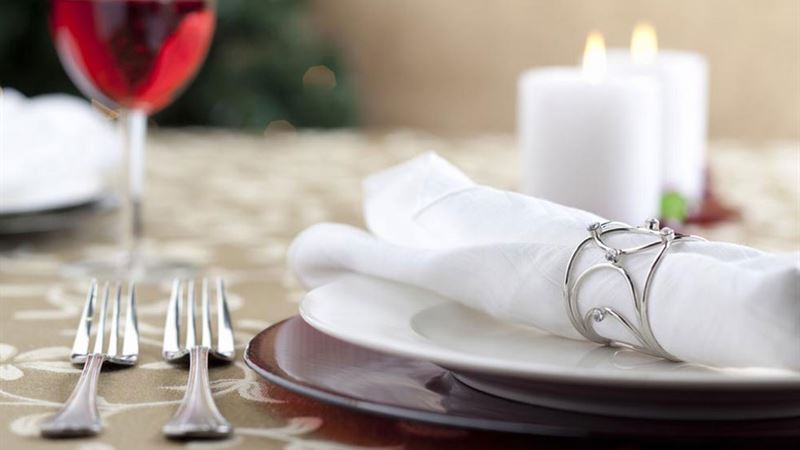
- Napkins are more than just functional; they are decorative accessories that can enhance the table's look. The method of folding napkins varies according to personal preference or occasion. Classic folds like the pocket fold or fan fold can add a touch of sophistication, while placing the napkin inside the water glass can create a modern, minimalist aesthetic. Consider matching napkin rings or decorative folds to your table theme for added elegance.
- Proper placement of glassware is crucial. Typically, the wine glass, water goblet, and liqueur glass are arranged on the right-hand side of each setting. Consistency in their positions ensures guests can easily access their drinks without cluttering the space. Position the glasses at a slight angle or straight, depending on your style.
- Utensil placement follows a logical order that corresponds to the sequence of courses. Forks are placed on the left side of the plate, with the salad fork potentially on the outermost left if multiple forks are used. Knives are positioned on the right, with blades facing inward toward the plate. Spoons are placed to the right of the knives, ready for any soup or dessert courses. Proper alignment and spacing prevent accidental spills or awkward reaching.
- To streamline the dining experience, use place cards to assign seats. Personalized name cards help guests find their designated spots quickly, fostering a more organized and welcoming environment. Additionally, pre-setting bread plates, butter knives, and water glasses before the guests arrive simplifies service and prevents disruptions during the meal.
- Offering beverages and appetizers before the main course, either at the table or in the living area, can enhance the guest experience. It allows for a leisurely start to the meal and reduces the number of items to be managed at the table, making the entire process smoother.
- Lastly, proper table etiquette emphasizes patience. Do not begin clearing dishes while guests are still seated. Wait until everyone has finished their meal and left the table before starting your cleanup. This shows respect and maintains a pleasant dining atmosphere.
Mastering table setting techniques combines aesthetics with practicality. With careful planning and attention to detail, your table will impress guests and create memorable dining moments. Whether for a formal event or everyday use, these tips ensure your table is always set to perfection.