
Essential Nutritional Choices for a Healthier Lifestyle
Adopting healthier dietary habits is crucial in today's fast-paced world. This comprehensive guide explores practical ways to integrate nutritious foods into busy lifestyles, emphasizing the importance of managing carbohydrate and salt intake, and choosing convenient, healthy options. By making small, informed changes—such as selecting low-carb snacks, reducing sodium, and prioritizing whole foods—individuals can significantly enhance their health and well-being. Embrace these easy steps for a sustainable, healthier lifestyle that adapts to modern living while supporting long-term wellness.
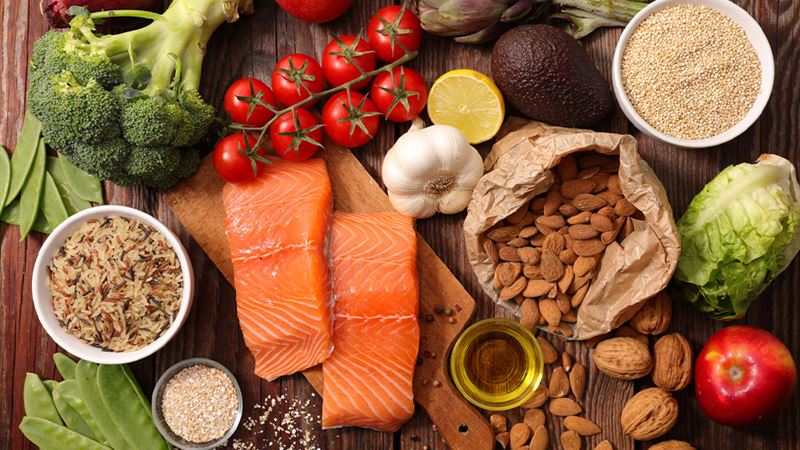
One of the most noticeable shifts occurs in the way people approach food. Young adults, students, and working professionals frequently opt for fast food because it saves time, is easily accessible, and tends to be more affordable. These factors contribute heavily to the increasing reliance on processed and junk foods, which although convenient, often lack essential nutrients crucial for maintaining good health. The frequent consumption of such foods has raised concerns among nutritionists and health experts about long-term health risks.
Understanding the widespread reliance on quick meals, health experts emphasize the importance of making smarter food choices. It becomes vital to incorporate more wholesome, nutrient-dense foods into one’s daily diet, integrating healthy alternatives that are easy to prepare and consume. The awareness about healthy eating has grown substantially, propelled by access to information and advances in food technology, making it easier to find nutritious options that do not compromise on convenience or affordability.
Changing dietary habits starts with awareness. Many nutritionists recommend beginning the day with a nutritious breakfast rich in fiber, protein, and low in refined carbohydrates. Options like whole-grain cereals, fresh fruits, and protein-rich foods set a positive tone for the day. As snacking between meals is common, choosing low-calorie, nutrient-packed snacks can help manage hunger pangs effectively while maintaining health goals. The food processing industry has responded to this demand by developing products that are both healthy and convenient, such as low-sugar granola bars, baked goods made with whole grains, and other ready-to-eat healthy snacks.
One central aspect of a healthy diet is managing carbohydrate intake. While carbs are an essential energy source, overconsumption—particularly of refined carbs—can lead to weight gain and other metabolic issues. Foods like white bread, white rice, and processed pasta are high in simple carbs, which are quickly absorbed and can cause blood sugar spikes. To counter this, companies have introduced low-carb alternatives, including snacks made with high-fiber ingredients, nuts, seeds, and vegetable-based options, making it easier for consumers to reduce carbohydrate intake without sacrificing flavor or convenience.
Another significant concern in maintaining a healthy diet is excessive salt intake. Scientific studies have demonstrated the adverse effects of high sodium consumption—such as increased blood pressure and the risk of cardiovascular diseases. Salt, or sodium, is a natural flavor enhancer used in most recipes, and its overuse becomes a common unhealthy habit. Recognizing this, many food manufacturers now produce low-sodium versions of popular products, allowing consumers to enjoy flavorful foods with controlled salt levels. Cooking at home with measured salt, along with choosing packaged foods wisely, can significantly reduce excessive sodium consumption.
Adopting healthy eating habits doesn’t mean completely giving up delicious foods but involves making mindful choices. Small, manageable steps—like replacing refined grains with whole grains, choosing fresh or minimally processed foods, limiting added salt, and opting for nutritious snacks—can have a profound impact on long-term health. Nutrition science continues to evolve, providing valuable insights into how various foods influence overall wellness. Incorporating these knowledge-based practices enables everyone to improve their diet steadily and sustainably.
In conclusion, fostering a healthy diet in today’s world is achievable through informed choices, smarter food selections, and embracing modern food innovations. While the challenges of busy lifestyles and the prevalence of processed foods are undeniable, the availability of nutritious, quick, and affordable options makes it easier than ever to prioritize health. Remember, every small step toward healthier eating contributes significantly to overall well-being, helping individuals lead longer, more energetic lives.