
Comprehensive Guide to Managing Gout-Related Foot Discomfort
Discover everything about gout foot pain — from symptoms and diagnosis to effective treatments. Learn how lifestyle changes, medications, and dietary adjustments can help manage gout, prevent flare-ups, and protect joint health. This detailed guide provides valuable insights for those suffering from gout and aims to promote awareness for better health management and relief.
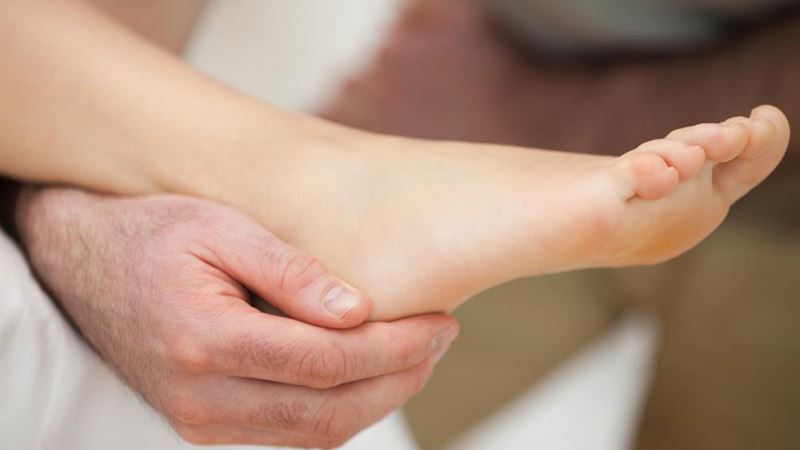
Gout is a form of inflammatory arthritis characterized by sudden and intense episodes of pain, swelling, and redness in the joints, especially affecting the foot. Various factors, including specific medications, dietary choices, and lifestyle habits, can trigger gout attacks. Recognizing the signs and understanding the underlying causes are crucial steps toward effective management and relief.
Recognizing Symptoms of Gout in the Foot
Gout primarily manifests as acute episodes of sharp, throbbing pain that frequently affects the big toe. However, this condition can also involve other joints such as the ankles, knees, wrists, and fingers. Typical symptoms include swelling, warmth, redness, and tenderness in the affected area, often appearing suddenly and reaching peak intensity within hours. While some individuals experience frequent attacks, others may go months or even years without symptoms, with intermittent flare-ups occurring without warning.
Diagnosing Gout: Methods and Precautions
If unexplained foot pain occurs, especially if accompanied by swelling and redness, seeking medical attention is imperative. A healthcare professional will begin with a thorough physical examination and detailed discussion about your symptoms and medical history. To confirm a gout diagnosis, the doctor may perform joint fluid analysis by extracting a small sample of synovial fluid to look for uric acid crystals under a microscope. Blood tests measuring uric acid levels can provide supporting evidence, but they are not definitive alone, as uric acid levels can fluctuate. Imaging tests, such as X-rays or ultrasound, may also be employed to assess joint damage or to identify the presence of crystals.
Effective Strategies for Treating Gout Foot Pain
Prompt treatment is essential to minimize pain and prevent joint damage. Many approaches can help manage gout symptoms and reduce the frequency of attacks.
- Medications: High-dose non-steroidal anti-inflammatory drugs (NSAIDs) are often prescribed initially to control pain and inflammation. In some cases, corticosteroids may be injected directly into affected joints. Additionally, medications like colchicine can reduce the severity of flare-ups.
- Uric Acid Reduction: Long-term management involves medications such as allopurinol or febuxostat, which lower uric acid levels in the blood, preventing crystal formation. Lifestyle modifications, including dietary changes and weight management, support this process.
- Rest and Joint Care: Resting the affected joint, elevating the foot, and applying ice packs can alleviate acute symptoms. Avoiding strenuous activity and reducing weight can also decrease joint stress.
- Dietary Adjustments: A diet low in purines, lectin-rich foods, alcohol (particularly beer and spirits), and sugary beverages is recommended. Incorporating more fruits, vegetables, whole grains, and lean protein helps maintain healthy uric acid levels.
- Monitoring and Prevention: Regular follow-up with healthcare providers and blood tests ensure uric acid levels remain controlled. Lifestyle interventions and medication adherence are vital in preventing future attacks and joint deterioration.
Understanding the triggers and adhering to a comprehensive treatment plan can significantly improve quality of life for individuals suffering from gout foot pain. Early diagnosis and consistent management are key to avoiding long-term joint damage and maintaining mobility.