
Understanding the Causes and Warning Signs of Hypertension
This comprehensive guide explores the primary causes and warning signs of hypertension. Understanding these factors aids in early detection and effective management, preventing severe health complications. Learn about symptoms like headaches, vision problems, and chest pain, and discover how lifestyle choices and organ health influence blood pressure. Regular monitoring and timely medical intervention are crucial to control hypertension and maintain overall well-being.
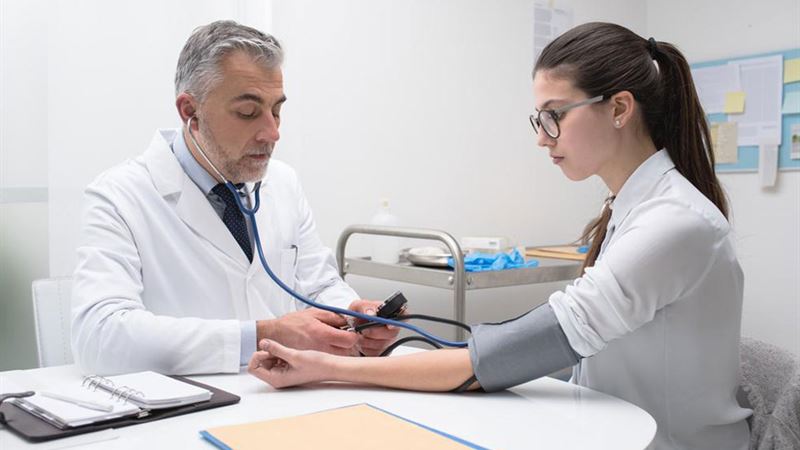
Hypertension, commonly known as high blood pressure, can develop due to various factors. Recognizing these causes is crucial for prevention and management.
• Genetic predisposition inherited from family members
• Dysfunction in vital organs, particularly the kidneys, which play a significant role in blood pressure regulation. When kidney function is compromised, it disrupts the body's salt and fluid balance, leading to increased pressure inside arteries.
• Thyroid gland irregularities that impact hormone production
• Use of illicit substances or excessive alcohol intake
• Abnormal secretion of adrenaline or stress-related hormones
• Unhealthy lifestyles over prolonged periods, resulting in weight gain or obesity
Common symptoms associated with high blood pressure include:
Recognizing these signs can prompt earlier intervention to prevent serious complications.
- Persistent headaches that may be dull or throbbing
- Sudden visual disturbances such as blurred or double vision
- Difficulty breathing during physical activity or at rest
- Nasal bleeding that occurs unexpectedly
- Dizziness, especially when standing up quickly
- Chest discomfort or pain
- Presence of blood in urine
In many instances, individuals with high blood pressure may not exhibit noticeable symptoms, which underscores the importance of regular health checkups. Monitoring blood pressure through standardized charts helps in maintaining it within safe limits. Persistent high readings should be addressed promptly to prevent complications like heart disease, stroke, or kidney damage.
Timely consultation with healthcare professionals is essential when abnormal blood pressure readings are observed. Lifestyle modifications, medication, and routine monitoring form the cornerstone of effective hypertension management. Understanding the risk factors and early signs can markedly improve health outcomes and quality of life.