
Comprehensive Overview of Garcinia Cambogia: Potential Risks and Considerations
Garcinia Cambogia is popular for weight loss but comes with potential side effects and interactions. This comprehensive guide highlights key safety tips, possible adverse reactions, and crucial precautions, emphasizing responsible use for those interested in incorporating it into their health routines. Understanding these factors helps ensure safe supplementation and effective results, especially when used alongside a balanced diet and exercise program.
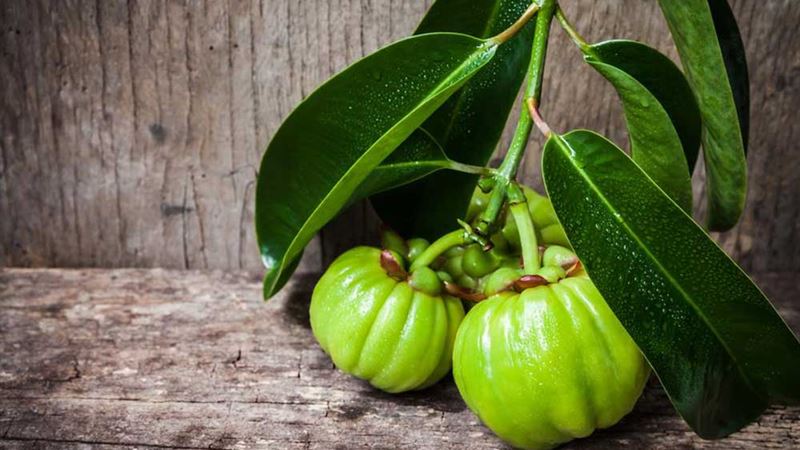
Garcinia Cambogia has gained popularity as a natural supplement for weight management. While many users experience modest weight loss benefits, scientific research suggests its effectiveness may be amplified when combined with a balanced diet and regular physical activity. However, despite its popularity, understanding the potential side effects and safety precautions is crucial for anyone considering its use. This detailed review explores the possible adverse effects, interactions with medications, and important precautions to keep in mind when using Garcinia Cambogia for health and fitness goals.
Understanding the Side Effects of Garcinia Cambogia
The pursuit of rapid weight loss has led many to turn to supplements like Garcinia Cambogia, a tropical fruit extract believed to aid in suppressing appetite and inhibiting fat production. Despite its popularity, it is essential to comprehend the possible side effects associated with its use. Some users report experiencing mild to moderate adverse effects, while others remain unaffected. Recognizing these symptoms can help users make informed decisions about incorporating Garcinia Cambogia into their health routines.
- Dry mouth: A common complaint among users, possibly caused by dehydration or the supplement's impact on saliva production.
- Headaches: A frequent side effect, which may be linked to dietary changes or individual sensitivities.
- Digestive issues like diarrhea: These gastrointestinal disturbances can occur, especially if the supplement is taken in excess or on an empty stomach.
- Dizziness: Some users report feeling lightheaded, which could be related to blood sugar fluctuations or adverse reactions.
The safety of Garcinia Cambogia has been debated in scientific communities. In 2009, concerns were raised due to reports of liver problems among some users, prompting caution in its use. Certain compounds in the supplement may have hepatotoxic effects, particularly when taken in high doses or over prolonged periods. While some studies indicate that Garcinia Cambogia can be safe when used responsibly, others highlight potential risks, emphasizing the importance of moderation and medical supervision.
Drug Interactions and Precautions
Garcinia Cambogia can interact with various medications, making it essential to consult a healthcare professional before starting supplementation, especially if you are on any of the following drugs:
- Diabetes medications, including insulin and oral hypoglycemics
- Iron supplements prescribed for anemia
- Pain relief medications
- Asthma and allergy drugs such as Singulair or Accolate
- Medications for mental health disorders, including antidepressants and antipsychotics
- Cholesterol-lowering agents like statins
- Blood thinners such as warfarin
Taking Garcinia Cambogia alongside these medications could alter their effectiveness or increase the risk of side effects, including bleeding, blood sugar fluctuations, or liver stress.
Important Precautions to Consider
The use of Garcinia Cambogia is not suitable for everyone, especially during certain stages of life or health conditions. Important precautions include:
- Pregnancy and breastfeeding: Limited research suggests potential risks during pregnancy and lactation. Hormonal changes and the possibility of adverse effects on the fetus or infant are reasons to avoid this supplement during these periods.
- Bipolar disorder: Since Garcinia Cambogia may influence mood and neurological functions, it can exacerbate symptoms of bipolar disorder. Those with psychiatric conditions should abstain unless advised by a healthcare provider.
- Liver health: As some reports link Garcinia Cambogia to liver issues, individuals with existing liver disease should exercise extreme caution or avoid use altogether. Monitoring liver function during supplementation is recommended for at-risk individuals.
In addition to these precautions, individuals should start with the lowest effective dose and monitor their body's response. Consulting a healthcare professional before beginning any new supplement regimen ensures safety and tailored advice based on personal health history.
In conclusion, while Garcinia Cambogia may offer benefits for weight management and health, it is vital to weigh the potential risks and side effects. Responsible use, informed by medical guidance, is essential to prevent adverse outcomes and maximize benefits.