
Comprehensive Guide to Bone Density Testing: Understanding Its Significance and Procedure
This comprehensive guide explores the importance of bone density testing, its procedure, and its role in diagnosing osteoporosis and preventing fractures. Learn how early detection through imaging scans can improve bone health, especially for at-risk populations such as postmenopausal women and patients on long-term medication. The article details the types of scans used, the process involved, and the significance of monitoring bone strength over time to ensure optimal skeletal health.
Bone health is a crucial aspect of overall well-being, especially as we age. One of the most effective methods to assess bone strength and diagnose conditions like osteoporosis is through bone density testing. This detailed examination helps in early detection of bone loss, allowing for timely intervention to prevent fractures and other complications.
Height loss beyond a certain threshold can serve as an early warning sign of osteoporosis-related fractures, particularly in the spine. Individuals experiencing a loss of at least 1.6 inches in height should consider undergoing bone density scans to evaluate their bone health status.
Fragile bones are more susceptible to fractures not only from falls but also during everyday activities, which makes bone strength assessment vital for at-risk populations.
Prolonged use of specific medications, such as corticosteroids, can impair the body's ability to regenerate bone tissue, leading to osteoporosis. Understanding these risks underscores the importance of regular screening for individuals on long-term treatment regimens.
Patients who have undergone organ transplants face higher chances of developing osteoporosis. This is partly due to the immunosuppressive drugs required to prevent organ rejection, which can interfere with normal bone rebuilding processes.
Hormonal fluctuations significantly impact bone density. Women naturally experience a decline in estrogen levels after menopause, which accelerates bone loss. Similarly, some cancer treatments can reduce hormone levels, thereby increasing osteoporosis risk. In men, treatments for prostate cancer or conditions resulting in low testosterone can also compromise bone strength.
Bone density tests are primarily performed using specialized X-ray technology that involves low-dose imaging to detect mineral loss in bones. The scans typically focus on critical areas such as the hip and spine, which are most vulnerable to fractures. In cases where hip scans are not feasible—such as in patients with hyperthyroidism or physical limitations—the forearm may be scanned as an alternative.
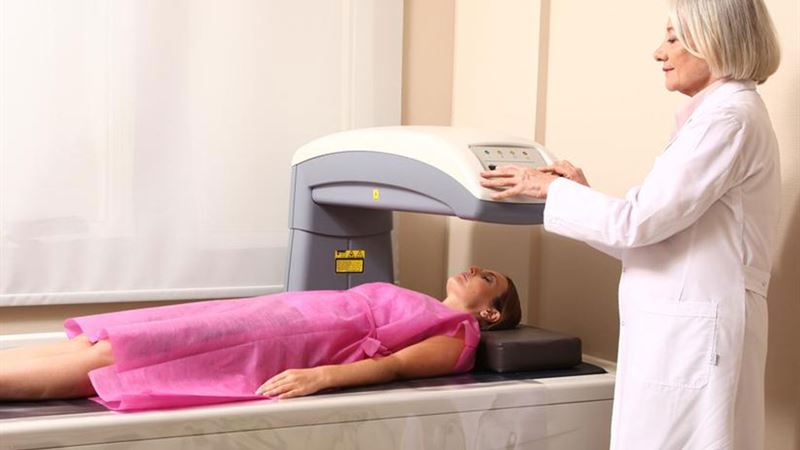
The procedure entails a quick and non-invasive process, usually lasting about 15 minutes, including registration. During the test, the patient lies comfortably on a scanning table for approximately 5 to 8 minutes while the machine captures detailed images.
These scans generate high-resolution, three-dimensional images that reveal the degree of bone mineral density (BMD). Besides diagnosing osteoporosis, the scans can help monitor the effects of aging, certain diseases, and medications on bone health.
Central DXA (dual-energy X-ray absorptiometry) machines are the most common devices used for this purpose. They evaluate the BMD of the total body, spine, and hip, providing comprehensive insights into bone strength. Peripheral devices, on the other hand, measure bone density in less central areas like the heel, shinbone, wrist, kneecap, and finger, offering accessible screening options for various patient groups.
Clinicians often recommend bone density testing for individuals at increased risk, including postmenopausal women, the elderly, or those with medical conditions affecting bone health. Early diagnosis via these scans can facilitate preventive measures such as lifestyle modifications, dietary supplementations, or medications to strengthen bones and prevent future fractures.
Understanding the importance and procedure of bone density testing empowers patients to take proactive steps in maintaining their skeletal health. Regular screening is a vital component of preventive healthcare, especially for those with known risk factors.