A comprehensive bone density assessment is vital for detecting osteoporosis early, especially for at-risk groups like postmenopausal women and those with a family history. It enables timely interventions, reducing fracture risk and promoting overall bone health through lifestyle changes and medical treatment. Regular testing and preventive care are essential for maintaining strong bones and preventing long-term disabilities associated with fractures and osteoporosis complications.
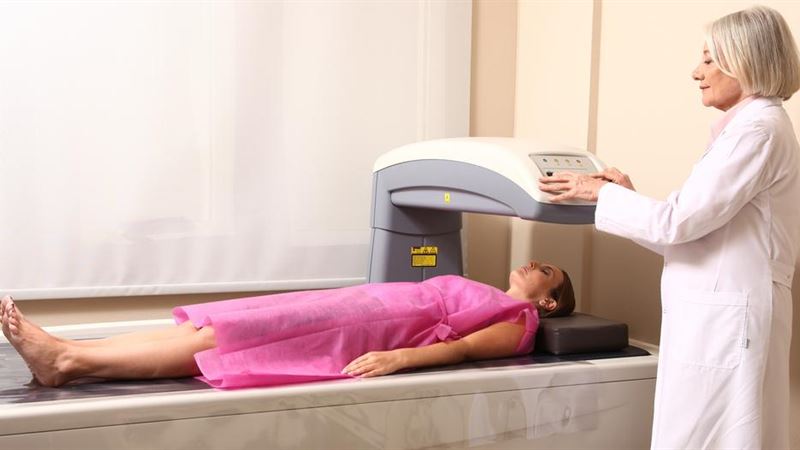
Understanding the importance of regular bone health evaluations is crucial for maintaining overall well-being, especially as we age. A bone density test is a vital diagnostic tool used by healthcare professionals to assess bone strength and detect early signs of osteoporosis or other bone-related conditions. This non-invasive procedure provides valuable insights into bone mineral content and helps guide prevention, treatment, and lifestyle modifications to ensure bones remain healthy and resilient throughout life.
Bone health is often overlooked until symptoms such as fractures or significant height loss appear. However, early detection through a bone density scan can dramatically improve management strategies, reducing the risk of fractures and associated disabilities. Recognizing who should consider this test and understanding its benefits can empower individuals to take proactive steps toward maintaining strong, healthy bones.
Why is regular bone density testing recommended? The primary goal is to identify low bone mass before fractures occur. Osteoporosis, characterized by reduced bone density and deterioration of bone tissue, often develops silently without symptoms until a fracture happens. By then, the condition may be advanced, making treatment more difficult and less effective. Therefore, early diagnosis allows for timely interventions that can prevent deterioration and promote bone strength.
Who Should Consider Getting a Bone Density Test? Several groups of people are at higher risk of low bone density and should prioritize screening:
Individuals with unexplained height loss
People with severe underweight conditions
Recent organ transplant recipients
Individuals experiencing hormonal imbalances or recent hormone therapy
Persons with a family history of osteoporosis
Women aged 50 and above, especially post-menopause
People with lifestyle factors such as smoking, excessive alcohol consumption, or physical inactivity
Understanding these risk factors underscores the importance of regular bone assessments. For example, women over 50 are particularly vulnerable due to estrogen decline during menopause, which can lead to a 25-30% decrease in bone density within the first five years. This rapid bone loss significantly elevates fracture risk, especially in the hips, spine, and wrists. Regular screening enables early detection, allowing doctors to intervene with medications, dietary changes, and lifestyle adjustments to preserve bone health.
Additional factors such as hyperthyroidism, smoking, and a sedentary lifestyle can further compromise bone density. Adequate intake of calcium and vitamin D is essential for maintaining bone strength. Nutritional support, along with weight-bearing exercises and avoiding tobacco and excessive alcohol, can make a significant difference in bone health management.
Understanding the procedure: A bone density test, often performed using dual-energy X-ray absorptiometry (DEXA or DXA), is a quick and painless scan that measures bone mineral density at critical sites like the hip and spine. The results are compared with normative data to determine fracture risk levels. Regular testing can monitor bone changes over time, assess the effectiveness of treatment strategies, and motivate individuals to adhere to healthy habits.
In addition to identifying osteoporosis, bone density tests can detect osteopenia—an intermediate state of reduced bone mass that requires lifestyle modifications to prevent progression. Early intervention is key to avoiding fractures, which can lead to severe complications, loss of independence, and decreased quality of life.
Concluding thoughts: Maintaining optimal bone health requires a proactive approach. Regular bone density assessments are an essential part of preventive healthcare, especially for high-risk groups. By understanding the importance of early detection and implementing appropriate measures such as medication, nutritional adjustments, and weight-bearing exercises, individuals can significantly reduce their fracture risk and enjoy a healthier, more active life well into old age.
