
Comprehensive Guide to Fleet Fuel Cards: Benefits, Selection, and Application Tips
Discover the comprehensive benefits of fleet fuel cards, including cost savings, expense control, and simplified management. Learn how to choose the right card for your business, the application process, and tips for maximizing its advantages to improve fleet efficiency and reduce operational costs.
Understanding Fleet Fuel Cards: Unlocking Cost Savings and Business Efficiency
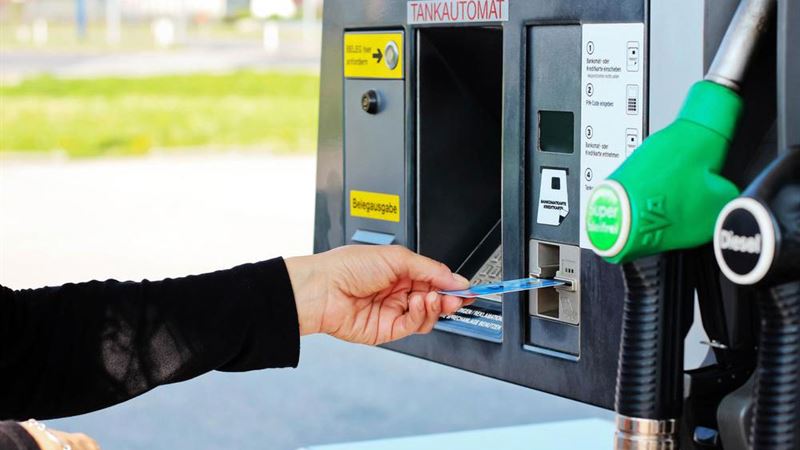
Managing transportation costs is a significant concern for many businesses that operate a fleet of vehicles. One effective way to streamline expenses and enhance control over fuel expenditures is through the use of fleet fuel cards. These specialized credit or debit cards are tailored to meet the unique needs of organizations with multiple vehicles, offering advantages such as real-time expense tracking, cost savings, and simplified accounting processes. While the process of using a fleet fuel card can be as simple as swiping it at the pump, understanding the underlying features, benefits, and application steps can make a substantial difference in maximizing their value.
Fleet fuel cards are more than just payment tools; they are strategic instruments that facilitate efficient fleet management. Business owners and fleet managers need to grasp how these cards work, their eligibility criteria, and the best ways to select and implement them for optimal results. This comprehensive guide explores the key benefits of fleet fuel cards, who can benefit from them, how to choose the right card, and the step-by-step application process to secure one for your business needs.
The Core Benefits of Fleet Fuel Cards
Adopting fleet fuel cards can transform how businesses handle transportation expenses. The two primary advantages are enhanced expense control and cost savings at the pump, both of which contribute significantly to operational efficiency and profitability.
- Real-Time Monitoring and Reporting
- Cost Savings Through Discounted Fuel Pricing
One of the most valuable features of fleet fuel cards is their ability to provide real-time data on fuel purchases and vehicle usage. Fleet managers can set purchase limits for individual drivers or vehicles, control transaction types, and monitor spending instantly through online portals. This capability not only helps prevent unauthorized expenses but also simplifies reconciliation and accounting processes, ensuring that transportation costs align with budget forecasts.
Fuel cards often negotiate wholesale or discounted fuel rates with network providers, enabling businesses to benefit from savings that surpass those available to the general public. These discounts can add up over time, especially for organizations that purchase large quantities of fuel regularly. Some fleet fuel cards also offer rebates, cashback, or rewards on fuel purchases, further boosting savings and providing financial incentives for continued use.
Who Can Benefit From Fleet Fuel Cards?
Fleet fuel cards are suitable for a diverse range of businesses, from small local companies to large national corporations. The key criterion is the volume of fuel purchased monthly, as discounts and rebates tend to be more advantageous for high-volume buyers.
- Large-scale National Operations
- Small to Medium-sized Businesses
Companies with extensive vehicle fleets—such as logistics firms, delivery services, and transportation providers—can greatly benefit from fleet fuel cards. These organizations often operate across multiple regions, requiring a fuel payment solution that offers wide network coverage, expense controls, and detailed reporting.
Small businesses like local electrical, plumbing, roofing, or catering companies that maintain 2 to 5 trucks also find fleet fuel cards helpful. When their monthly fuel consumption exceeds 1,000 gallons, the rebates and discounts can lead to substantial savings. For these organizations, fleet fuel cards streamline expense management and reduce administrative burdens.
Ideal Usage Scenarios for Fleet Fuel Cards
If your business routinely purchases large volumes of fuel—more than 1,000 gallons per month—a fleet fuel card is often a worthwhile investment. Beyond savings, it offers a layer of control and security that surpasses standard credit or debit cards.
Conversely, if your fuel purchases are lower or spread out over various brands and regions, other options like earning rewards through specific business credit cards might be more appropriate. Evaluating your monthly fuel expenditure and operational scope helps determine whether a fleet fuel card or alternative solutions suit your business better.
Simple Steps to Secure a Fleet Fuel Card
If you are considering applying for a fleet fuel card, the process is straightforward. By following these strategic steps, you can obtain the right card tailored to your fleet's needs:
- Assess Your Credit Profile
- Choose Your Preferred Gas Station Chain
- Compare Available Fuel Card Options
- Application Methods
- Understand Your Fleet Operations and Needs
Begin by reviewing your business or personal credit score. A strong credit rating enhances your chances of approval and may also provide access to better rates and terms.
If your fleet predominantly fuels up at a specific gas station or chain, consider applying for their co-branded fuel card. This allows you to capitalize on targeted discounts and loyalty rewards, simplifying procurement processes.
Research and compare different fleet fuel cards based on factors like discount rates, fee structures, network coverage, and reporting features. Calculate potential savings by estimating your monthly fuel costs and rewards potential.
Most fleet fuel cards can be applied for easily online, via phone, or through paper forms at participating gas stations. Choose the method that best suits your administrative preferences and ensure you provide accurate information.
Determine whether a station-specific or universal fuel card fits your operational footprint. For fleets operating in a confined regional area, station-specific cards are ideal, whereas nationwide operations may require a more flexible, coast-to-coast card option.
Deciding the Best Fleet Fuel Card for Your Business
When selecting a fleet fuel card, consider various factors such as network reach, discount rates, fee structures, reporting capabilities, and compatibility with your operational region. It’s also crucial to ensure the card provider’s network coverage aligns with your fueling locations to maximize savings.
A vital step in this decision-making process is understanding your creditworthiness. A good credit score significantly increases your chances of approval and grants access to premium features and better rates. Taking the time to evaluate your fleet’s fueling patterns and operational geography ensures you choose a card that delivers genuine value.
In conclusion, fleet fuel cards are powerful tools for optimizing transportation expenses, improving expense management, and enhancing overall fleet efficiency. By understanding their benefits, carefully comparing options, and following a structured application process, your business can unlock significant savings and maintain better control over fleet-related costs.