
Comprehensive Guide to LLCs: Frequently Asked Questions and Essential Insights
This comprehensive guide walks you through everything you need to know about LLCs, including eligibility, formation process, benefits, and potential drawbacks. Discover how LLCs can offer flexible taxation, limited liability protection, and management ease, making them an ideal choice for entrepreneurs and investors. Understand the step-by-step process for establishing an LLC in different states and learn how to navigate state-specific regulations. Whether you're a startup founder or an established business owner, this in-depth article provides valuable insights to help you make informed decisions about forming and managing an LLC.
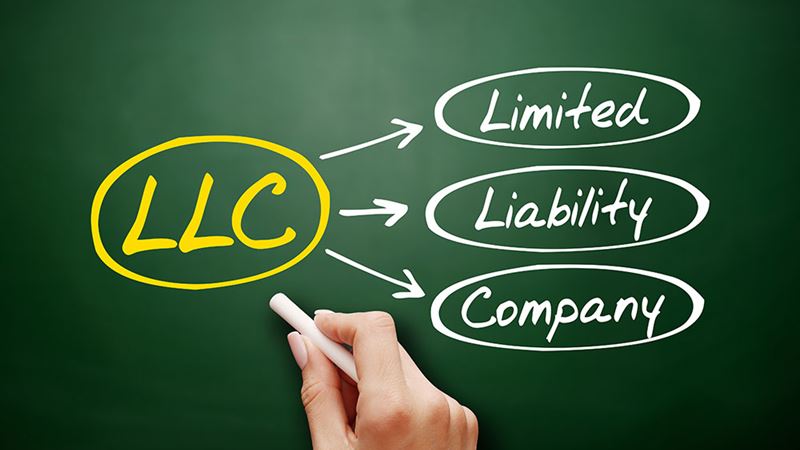
Starting and managing a Limited Liability Company (LLC) can seem complex, especially for newcomers to the world of business structures. An LLC combines the benefits of pass-through taxation found in partnerships with the limited liability protections offered to corporations, making it a popular choice for entrepreneurs. This comprehensive guide aims to answer the most common questions related to LLCs, including who can join, how to establish one, where to form it, and what advantages and disadvantages come with this business model.
The LLC structure is designed to provide flexibility, protection, and tax benefits, but understanding its intricacies is vital for any prospective business owner. Whether you're an individual wanting to start a new venture, an existing corporation looking to expand, or a foreign investor interested in U.S. business opportunities, knowing the fundamentals of LLCs is essential. This guide explores these key points in detail to help you make informed decisions about forming and operating an LLC.
- Who is eligible to become a member of an LLC?
Anyone interested can join an LLC, regardless of their nationality or the type of entity they represent. This includes individual entrepreneurs, corporate entities, foreign investors, foreign companies, as well as other LLCs. The only restrictions are placed on specific entities such as banks and insurance firms, which are generally prohibited from forming LLCs due to regulatory constraints. This open membership policy makes LLCs an attractive option for a diverse group of business professionals and investors seeking liability protection while enjoying favorable tax treatment.
- Can LLCs be established in any state within the United States?
Yes, individuals are permitted to establish LLCs in any state across the U.S., offering great flexibility. Despite broad permission, each state has its own regulations, requirements, and fees associated with LLC formation and operation. Some states may have specific rules about naming, operational procedures, or registration processes. It's crucial to understand the specific state laws where you intend to register your LLC to ensure compliance and to optimize benefits.
- What is the general process for forming an LLC?
While step-by-step procedures can vary depending on the state, the fundamental process remains consistent nationwide. To initiate an LLC, the first step is selecting an appropriate and unique name that complies with state regulations. Once the name is finalized, the next step is preparing and submitting the Articles of Organization—documenting key details such as the LLC members, registered address, and designated agent responsible for legal correspondence. Filing this document with the relevant state authority typically involves paying a filing fee. After approval, the LLC is officially registered, and the business owner must obtain an Employer Identification Number (EIN) from the federal government. This EIN functions as the business's tax ID and is necessary for opening bank accounts, hiring employees, and handling taxes.
- What benefits do LLCs provide to business owners?
LLCs offer multiple advantages that appeal to entrepreneurs and investors alike. Firstly, flexibility in taxation allows LLCs to choose how they wish to be taxed—either as a sole proprietorship, partnership, or corporation (S or C corporation)—depending on what suits their business needs best. This flexibility enables business owners to optimize their tax strategies with ease. Secondly, LLCs provide limited liability protection, shielding members from personal responsibility for business debts, liabilities, or legal judgments, thus safeguarding personal assets. Thirdly, LLCs are relatively simpler to manage in terms of administrative requirements when compared to corporations, providing less stringent compliance obligations and easier management structures.
- What are some of the main disadvantages associated with LLCs?
Despite numerous benefits, LLCs do have certain drawbacks. One significant challenge is variability in regulations; since LLC laws are governed at the state level, rules can differ substantially across jurisdictions, affecting operational procedures, filing requirements, and ongoing compliance. Additionally, many states impose annual fees or franchise taxes, which can add to the cost of maintaining the LLC. Furthermore, for certain types of businesses, particularly those seeking venture capital funding or public offerings, LLCs may be less favorable than corporations due to their flexible structure and tax treatments that may complicate investment or exit strategies.
In conclusion, forming an LLC offers a compelling combination of liability protection, operational flexibility, and favorable tax treatment. However, prospective business owners must carefully consider state-specific rules, ongoing costs, and their long-term business goals. Conducting thorough research and consulting with legal or financial professionals can help navigate the specific requirements in your jurisdiction and ensure your LLC aligns with your business ambitions.