
Advantages and Disadvantages of Choosing a Mobile Home Residency
Discover the comprehensive guide to mobile home living, exploring its benefits such as affordability, flexibility, and community atmosphere, alongside challenges like depreciation, maintenance, and regulatory constraints. Learn how to navigate winter issues, financing options, and park regulations to make informed housing decisions tailored to your lifestyle needs. Perfect for prospective residents seeking an economical and flexible living arrangement that combines comfort with practicality, ensuring a balanced approach to mobile living.
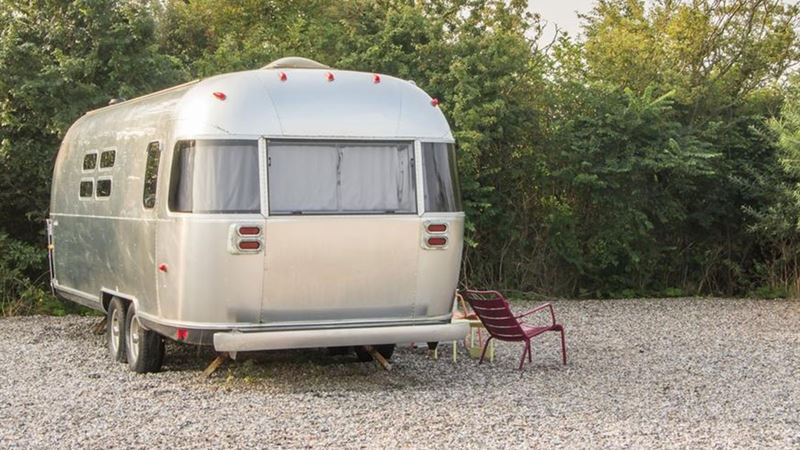
Mobile homes have become an increasingly popular housing choice due to their affordability and flexibility. However, like any living arrangement, they come with their own set of benefits and challenges. Understanding the pros and cons of mobile living can help prospective residents make informed decisions. This comprehensive guide explores various aspects of mobile home living, including maintenance, legality, lifestyle considerations, and financial implications.
Understanding Mobile Homes
Mobile homes, also known as manufactured homes, are prefabricated structures built in factories and transported to their final location. They offer an alternative to traditional brick-and-mortar homes, especially appealing to those seeking affordability and mobility. These homes come in various sizes and layouts, from single-wide trailers to spacious double-wide models. While modern mobile homes are built with better materials and standards, they still differ significantly from traditional houses in structure and permanence.
Advantages of Living in a Mobile Home
- Cost Effectiveness: One of the primary advantages is the cost. Mobile homes tend to be significantly less expensive than conventional houses, often costing between $30,000 and $100,000 depending on size and features. Monthly rent or mortgage payments are typically lower, making them an attractive option for individuals on a tight budget.
- Flexibility and Mobility: Mobile homes offer a degree of flexibility not found in traditional housing. If you need to relocate for work or personal reasons, mobile homes can be moved, provided the infrastructure and local regulations permit it. This mobility feature adds an element of freedom for owners and renters alike.
- Quick Setup and Availability: Compared to constructing a traditional house, mobile homes can be set up quickly. Many manufacturers provide units that are ready for immediate occupancy, reducing wait times and enabling faster move-ins.
- Low Maintenance Costs: Modern mobile homes are built with durable materials and are designed to withstand various weather conditions. Routine maintenance is generally simpler and less costly than in traditional residences, especially if you opt for a pre-owned unit.
- Community Lifestyle: Mobile home parks often foster a strong sense of community. Residents can socialize easily, participate in communal events, and enjoy shared amenities like pools, clubhouses, and recreational areas.
Challenges and Disadvantages
- Depreciation and Land Risks: Unlike traditional houses that often appreciate over time, mobile homes tend to depreciate. Over the years, they may lose value, and if the land is leased, tenants may face rent hikes or lease terminations. Damage from weather or neglect can further diminish the home's value.
- Maintenance and Repairs: While maintenance costs are generally lower, mobile homes still require periodic repairs. Winter weather can cause particular issues, such as pipe freezing, leaks, and damage to siding or roofing when homes are vacant for extended periods.
- Legal and Zoning Regulations: Mobile homes are subject to state and local zoning laws, which could restrict placement, movement, or modification. Regulations vary widely across regions, and some areas may have restrictions on new mobile home parks.
- Limited Customization: Unlike traditional homes, mobile homes often have restrictions on remodeling or adding extensions due to structural limitations or zoning codes. This can limit personalization and upgrades.
- Land Ownership Concerns: Many mobile homes are parked on leased land, which introduces the risk of rent increases or lease termination. If you own the land, you have more control, but the costs are typically higher.
Living Conditions and Lifestyle Considerations
Living in a mobile home offers unique lifestyle advantages. The compact and efficient design makes it easy to maintain and manage daily routines. The affordability allows residents to save money or invest in other areas of life, such as travel or education. However, the physical limitations of mobile homes mean that residents need to plan carefully for modifications, expansions, or upgrades. Community living within mobile home parks encourages social interactions but also necessitates adherence to park rules and regulations.
Winter and Weather-Related Challenges
Winter poses specific challenges for mobile homeowners. When a mobile home sits vacant during colder months, it is vulnerable to issues like frozen pipes, roof leaks due to snow accumulation, or damage from snowdrifts. Proper winterization, such as insulating pipes and sealing leaks, is essential to prevent costly repairs. If the home is occupied year-round, regular maintenance helps minimize winter-related problems. Landlords or park managers often provide guidelines or assistance to ensure their homes withstand harsh weather conditions.
Financial Aspects and Affordability
The affordability of mobile homes is a significant draw, especially for individuals with limited budgets. A used mobile home can often be rented for as low as $300 to $500 monthly, depending on the location and condition. Newer models or homes in prime parks may cost more, but overall expenses remain lower than traditional housing options. Additionally, maintenance costs tend to be minimal, especially if residents perform basic upkeep themselves. Financing options such as loans or rent-to-own plans are available, but interest rates and terms vary. It's essential to evaluate total costs—including land rent or lease payments, utilities, and insurance—before committing.
Rules and Lifestyle Regulations
Living in a mobile home community involves adhering to certain ground rules. Many parks impose restrictions on pets, such as leash requirements and limits on the number of animals. Noise regulations prohibit loud music or disruptive behavior during certain hours to maintain community harmony. Additionally, residents are expected to keep their surroundings clean and comply with maintenance standards. Failure to adhere to these rules may result in fines, warnings, or even eviction. Understanding and accepting these regulations is crucial for harmonious community living.
Conclusion
Choosing a mobile home as a residence offers a blend of affordability, flexibility, and community lifestyle. While there are notable advantages such as lower costs, quick setup, and mobility, prospective residents should also consider the challenges related to depreciation, maintenance, and regulatory compliance. Proper planning and understanding of local regulations can help maximize benefits and minimize drawbacks. For many, mobile homes provide a practical and fulfilling housing solution, especially for those seeking simplicity and affordability without sacrificing comfort.