
Comprehensive Guide to Garage Doors: Key FAQs and Insights
Explore this extensive guide to garage doors, covering costs, materials, mechanisms, and quality standards. Gain insights to help you select the perfect garage door for your home, balancing style, functionality, and budget considerations. Learn about different materials like wood, steel, and aluminum, and understand the advantages and disadvantages of various opening mechanisms such as swing, roll-up, and slide. Whether you're upgrading or installing a new garage door, this comprehensive overview equips you with the knowledge needed to make informed decisions and ensure long-lasting performance.
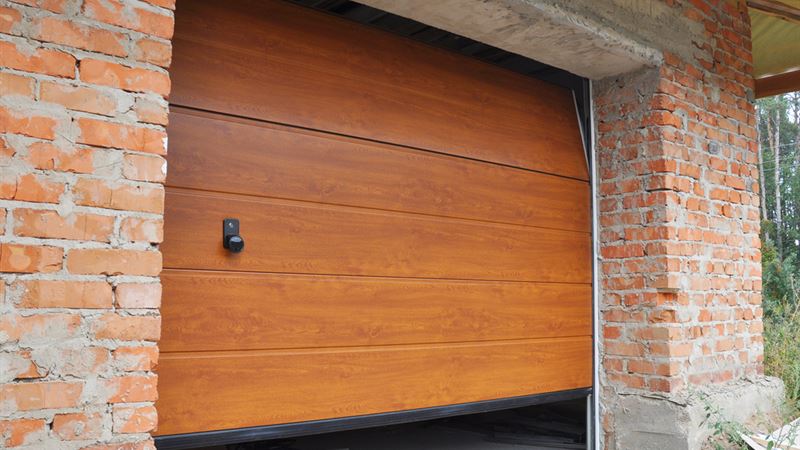
What is the typical cost of a garage door?
- While garage doors are not the priciest home upgrades, investing in high-quality options can be costly, but it offers long-term durability and aesthetics.
- The overall expense includes both the door itself and installation fees charged by professionals. Usually, companies provide a combined quote covering all costs.
- The average garage door price hovers around $2,000, with budget-friendly models starting as low as $400, and premium options reaching approximately $6,000.
What materials are commonly used for manufacturing garage doors?
- Wood: Known for its classic appeal and warmth, wood is a popular choice for homeowners seeking a traditional look. Wooden garage doors can be customized to match the front doors, enhancing curb appeal. They exhibit a unique charm and authenticity that many other materials cannot replicate, making them an elegant yet sometimes more costly option.
- Steel: Steel garage doors are appreciated for their robustness, affordability, and low maintenance. They resist dents, offer excellent security, and require minimal upkeep, making them a practical choice for most homeowners. Steel doors are available in various finishes and insulation options, adding to their versatility.
- Aluminum: Once a prevalent option, aluminum garage doors are lightweight and resistant to rust and termites. They usually come with low maintenance requirements and can be made with various frame and panel materials. Newer, sturdier aluminum variants are also available, though they tend to be more expensive.
What are the different operational mechanisms available for garage doors?
- Swing-up/Swing-out: These classic doors swing either upward or outward, requiring clear ceiling space (for upward swinging) or space in front (for outward swinging). They necessitate the use of leverage mechanisms and are ideal for traditional aesthetics.
- Roll-up: Roll-up doors are among the most common, especially in commercial settings. They operate by rolling into a compact coil above the door opening, saving space inside and outside the garage. Typically made of steel or aluminum, these doors are durable and easy to automate.
- Side-to-side: These doors slide horizontally or fold to open, functioning similarly to barn doors. They are suitable for garages with limited headroom and are often customized with multiple panels or sections for smooth operation.
How do garage door quality standards vary?
- High-end garage doors often range between $4,000 and $6,000, especially if custom-crafted from premium materials like solid wood. These doors offer superior durability, aesthetics, and features tailored to individual preferences.
- Mid-range options, typically made from aluminum with customizable features, are more affordable, costing between $800 and $1,000. They are sturdy, functional, and suitable for most residential needs.
- Budget-friendly garage doors manufactured from steel, often combined with high-density polyethylene or similar materials, start at approximately $400. They are practical for use as storage spaces or temporary solutions. While less durable, maintenance and repair services are readily available online, and prompt repairs can ensure longevity.