
Comprehensive Guide to Common Residential Elevator Types
Explore the four main types of residential elevators—drum and counterweight, pneumatic vacuum, roped hydraulic, and innovative future solutions. Discover their features, advantages, installation considerations, and how to choose the right system for your home renovation or new build. Enhance accessibility and add luxury to your living space with the perfect elevator system tailored to your needs.
Home elevators have become an increasingly popular feature in modern residential designs, offering convenience, accessibility, and added luxury. With advancements in elevator technology, homeowners now have a variety of options to choose from, each suited to different needs, budgets, and space constraints. In this detailed guide, we explore the four most common types of home elevators: drum and counterweight elevators, pneumatic vacuum elevators, roped hydraulic systems, and the emerging innovative solutions that blend performance with efficiency. Whether you’re renovating or building a new home, understanding these systems will help you make an informed decision on the best vertical transportation solution for your residence.
1. Drum and Counterweight Elevators
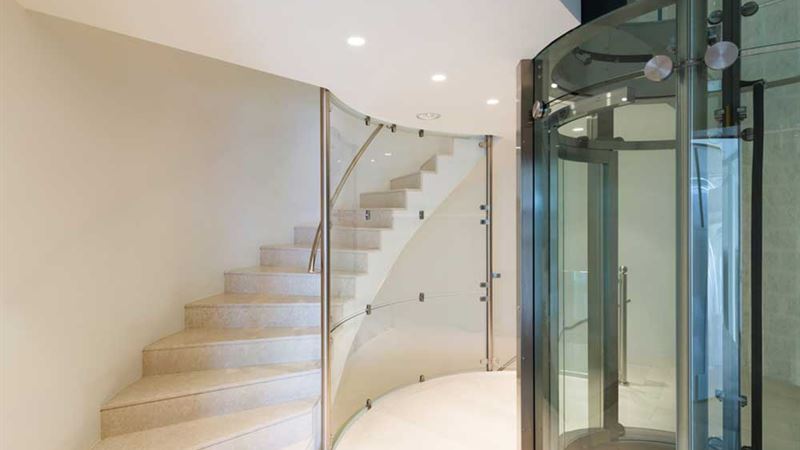
This type of home elevator relies on an electric motor that engages a drum, which reels in or releases the cable supporting the elevator cab. The system is designed so that a counterweight balances the load of the cab, minimizing the motor’s energy consumption. The counterweight moves in the opposite direction to the cab's movement—when the elevator rises, the counterweight descends, and vice versa—thus reducing the power required to operate it. One of the main advantages of drum and counterweight elevators is their affordability, as they are less expensive compared to pneumatic and hydraulic options. Additionally, these systems are simple to install, especially in homes with limited space, since the entire machinery can be installed on the top floor or in a dedicated shaft. These elevators are reliable, require minimal maintenance, and can be customized to fit various aesthetic preferences, making them a popular choice among homeowners.
2. Pneumatic Vacuum Elevators
Pneumatic vacuum elevators are an innovative leap forward in residential elevator technology, utilizing atmospheric pressure instead of traditional cables and pulleys. Rather than relying on mechanical lifts, these elevators operate by creating a vacuum within a sealed chamber, which then propels the cab up or down by manipulating air pressure.
Design-wise, pneumatic systems consist of a cylindrical shaft and a sealed cab. To move the elevator, high-pressure air is injected into the chamber to push the cab upward, while the removal of air allows gravity to gently lower the cab. This method offers a smooth, quiet ride with minimal energy consumption because power is only needed to adjust the air pressure during movement. Moreover, pneumatic elevators are recognized for their compact footprint, making them an excellent solution for homes with space limitations. Their sleek design and ease of installation make them a popular choice for modern homes seeking a luxurious yet unobtrusive vertical transportation option. Maintenance is relatively straightforward, but it’s essential to ensure that the seals and air pumps are regularly checked to keep the system functioning optimally.
3. Roped Hydraulic Elevator Systems
Combining elements of both hydraulic and cable-driven systems, roped hydraulic elevators utilize a hydraulic piston to move the cab and a rope or cable pulley system to facilitate smooth operation. This integration allows for efficient and stable elevator movement, especially in environments where space constraints are a consideration.
In a roped hydraulic system, a hydraulic pump actuates a piston that pushes the hydraulic fluid, causing the piston to extend or retract. The movement of this piston is transferred to the pulley and rope system, which hoists or lowers the elevator cab accordingly. One of the significant advantages of this setup is that it accommodates taller buildings or installations where hydraulic cylinders alone might not be practical. Roped hydraulic elevators tend to be easier to install in limited spaces and require less foundation work compared to full hydraulic systems. They also offer smooth acceleration and deceleration along with reliable stopping points. Homeowners looking for a versatile and space-saving elevator solution often favor roped hydraulic systems because of their combination of energy efficiency, safety features, and adaptability to different architectural layouts.
4. Emerging Technologies and Future Trends in Home Elevators
Beyond these traditional systems, the future of residential elevators is poised for exciting innovations. Smart technology integration, energy-efficient designs, and environmentally friendly materials are transforming how home elevators are manufactured and used.
For instance, some manufacturers are developing green elevator systems that incorporate regenerative drives, which recover and reuse energy during operation. Voice-activated controls and smartphone connectivity are also becoming standard, providing homeowners with unprecedented control and monitoring capabilities. Furthermore, advancements in miniaturization and modular designs have made it possible to install elevators in even the most compact homes without compromising aesthetics or functionality. As urbanization continues and homeowners prioritize accessibility, the demand for safe, attractive, and technologically advanced residential elevators will only grow. Looking ahead, innovations such as hyper-efficient pneumatic systems, cableless motor designs, and integration with home automation systems promise to revolutionize personal mobility within residential spaces.
Choosing the Right Home Elevator: Factors to Consider
Selecting the ideal home elevator depends on a variety of factors, including space availability, budget, aesthetic preferences, safety requirements, and intended use. Here are some key considerations to guide your decision-making process:
- Space Constraints: Evaluate available space, ceiling height, and access points to determine which system fits your home.
- Budget: Cost varies significantly among different types; weigh initial investment against long-term savings on maintenance and energy consumption.
- Design and Aesthetics: Choose a system that complements your home's interior style, whether modern, traditional, or minimalist.
- Safety and Reliability: Prioritize systems with advanced safety features such as emergency stop buttons, sensors, and backup power options.
- Ease of Use and Maintenance: Consider user-friendly controls and the availability of professional service for repairs and upkeep.
Conclusion
Home elevators are an invaluable addition to modern residences, enhancing accessibility, safety, and luxurious living. Understanding the various types—drum and counterweight, pneumatic vacuum, roped hydraulic, and emerging systems—empowers homeowners to select the most suitable solution for their specific needs. Factors like space, budget, and design preferences play a crucial role in this decision. As technology advances, residential elevators will become increasingly efficient, environmentally friendly, and integrated with smart home systems. Whether you seek a cost-effective, space-saving model or a high-end, technologically sophisticated elevator, the options available today cater to diverse preferences and requirements. Investing in a home elevator not only improves daily convenience but also adds significant value to your property, making it a worthwhile consideration for any modern home.